
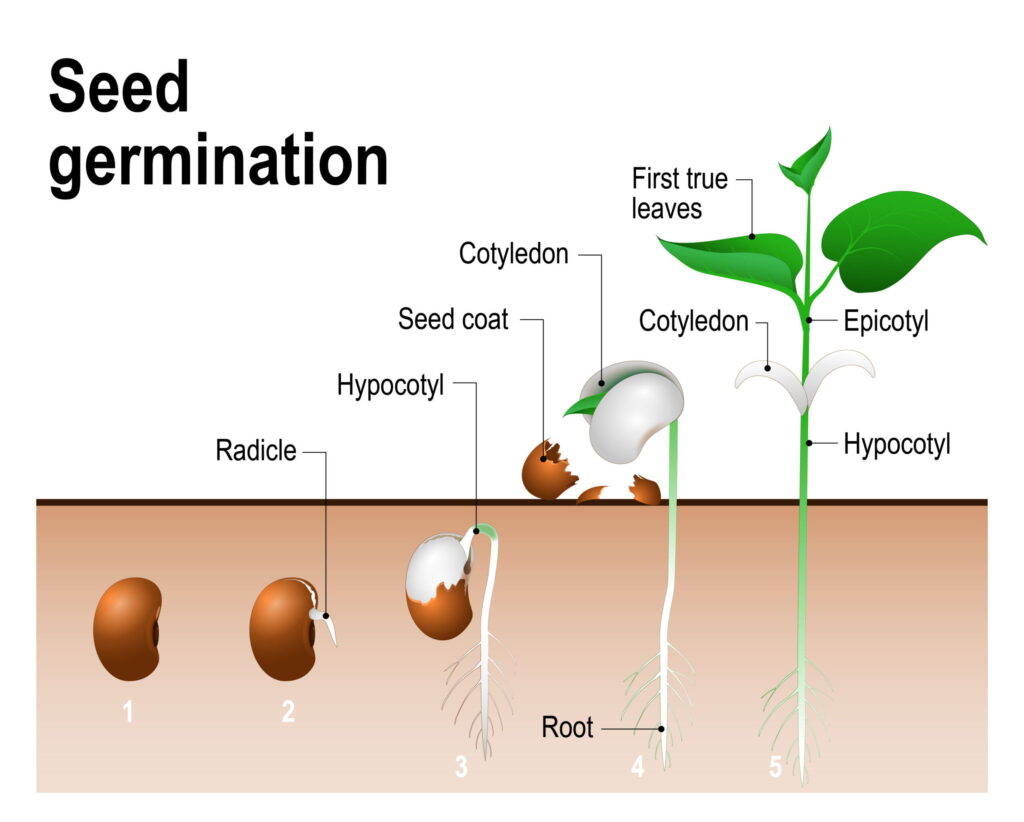
As seedlings emerge from their seeds, understanding the process of germination is crucial for farmers, gardeners, and anyone looking to grow plants. In this article, we’ll delve into the world of seeds, exploring the conditions necessary for successful germination, as well as the intricate processes that occur within the seed itself.
The Ideal Conditions for Germination
To encourage germination, it’s essential to water the soil immediately after sowing: the seed needs water to reactivate its metabolic processes. As the metabolism of the seed is reactivated, growth of the embryo begins – this marks the moment when the seed starts to germinate. The ideal conditions for germination include:
- Moisture-rich soil
- Suitable temperature (varies by species)
- Adequate oxygen levels in the soil
- Absence of toxic substances like heavy metals, herbicides, methane, and acid sulfide
For practical guidance on sowing, we recommend checking out our article “How to Sow Seeds.” Now, let’s focus on the development of the embryo within the seed.
The Anatomy of a Seed
In general terms, seeds can be composed of several protective external layers (the tegument), which shield and protect the embryo, as well as reserve substances (nutrients and food stored for the new plant). On the mother plant, after pollination, fruits develop containing seeds. Seeds originate from the fertilization of ovules contained in flowers, facilitated by pollen carried by wind or insects.
As the embryo grows, the seed expands, accumulating “reserve substances” (zuccheri, grassi, proteine…): nutrients that will be used during the first phase of growth. Once these reserves are accumulated and the seed is mature, it begins to dehydrate: losing only 5-15% of water content, while its metabolic rate slows down. This stage marks the end of active growth, allowing the seed to withstand adverse conditions.
When a seed is planted in suitable conditions (as described earlier), it resumes its active growth, thanks to rehydration and the activation of its metabolism. With this renewed energy, the embryo starts developing into a new plant, forming its first true leaves.
The Role of Reserves in Seed Germination
Seeds contain reserves that are essential for their germination. In some species, these reserves are fully contained within specific structures (cotyledons), such as those found in beans. These “false leaves” are not the same as true leaves and often resemble oval shapes.
As seeds mature, they become increasingly dependent on these stored resources. The amount of reserves present will determine the seedling’s ability to overcome challenging environmental conditions, like sudden changes in temperature or heavy rainfall. In the early stages of growth, the seedling relies heavily on the nutrient reserves it inherited from its parent seed. However, as time passes, it begins to adapt and develop its own food sources through root development and leaf photosynthesis.
Seed Germination: A Complex Process
The process of germination is complex and involves multiple stages. It begins with the activation of the embryo’s metabolic processes, which are triggered by water absorption and the breakdown of stored nutrients. As the seedling grows, it develops roots, leaves, and other organs necessary for photosynthesis, respiration, and nutrient uptake.
During this stage, the seedling is highly susceptible to environmental stresses, such as drought, extreme temperatures, and disease. However, with proper care and conditions, the seedling can develop into a healthy and thriving plant.
The Importance of Seed Germination
Seed germination is an essential process for plant growth and development. Without it, seeds would not be able to grow into mature plants, which are necessary for food production, ecosystem balance, and biodiversity. Understanding how seeds germinate can help us improve crop yields, reduce environmental impact, and promote sustainable agriculture practices.
In addition, understanding the complex processes involved in seed germination can also inform strategies for enhancing plant resilience, improving drought tolerance, and developing more efficient irrigation systems.
Factors Affecting Seed Germination
Seed germination is influenced by a range of factors, including temperature, moisture, light, and oxygen levels. Each species has its unique requirements, which must be met in order to achieve successful germination.
For example, some plants require high temperatures to break dormancy, while others need cool temperatures to initiate growth. Similarly, different plants have varying tolerance to drought, with some able to survive for extended periods without water and others needing consistent moisture levels.
Understanding these factors can help us optimize seed germination conditions, ensuring that our crops grow healthy and strong.
Promoting Seed Germination
To promote successful seed germination, we can take several steps:
- Provide optimal growing conditions: ensure the soil is moist, but not waterlogged, and maintain a suitable temperature range.
- Use quality seeds: select high-quality seeds from reputable suppliers to minimize the risk of contamination or poor performance.
- Minimize disturbance: avoid disturbing the soil around the seedling, as this can cause stress and reduce growth.
Conclusion
Seed germination is an intricate process that requires careful attention to detail. By understanding the conditions necessary for successful germination and the complex processes involved, we can optimize our chances of success in plant cultivation.
As we continue to face environmental challenges and global food insecurity, it’s more important than ever to develop sustainable agriculture practices that promote healthy seed germination and resilient plant growth.


