
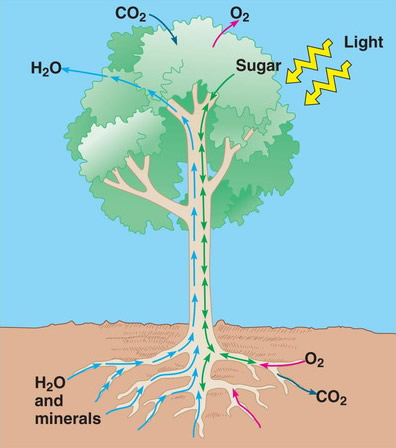
As a plant enthusiast, you might be wondering how plants get the nutrients they need to grow and thrive. While humans rely on consuming food, plants have their own unique way of obtaining essential nutrients from the environment. In this article, we’ll delve into the fascinating world of plant nutrition and explore the two primary mechanisms by which plants feed themselves.
The Two Main Mechanisms of Plant Nutrition
Unlike humans, plants are stationary organisms that must make do with what’s available in their immediate surroundings. They have evolved two distinct ways to absorb nutrients from the soil:
- Photosynthesis: This process enables plants to convert sunlight into chemical energy, which is then used to synthesize organic compounds.
- Root Absorption: Plants use specialized cells and structures to absorb nutrients and water from the soil.
How Photosynthesis Works
During photosynthesis, plants harness the energy from sunlight to transform carbon dioxide and water into glucose and oxygen. This process not only provides energy but also allows plants to produce their own food.
The photosynthetic process involves the following steps:
- Light-dependent reactions: This stage involves the absorption of light energy by pigments such as chlorophyll, which excites electrons that are then used to generate ATP and NADPH.
- Light-independent reactions (Calvin cycle): In this stage, CO2 is fixed into organic compounds using the energy from ATP and NADPH produced in the light-dependent reactions.
The Role of Roots in Nutrient Absorption
Plants have evolved complex root systems that enable them to absorb nutrients and water from the soil. The roots are composed of specialized cells called radicels, which play a crucial role in nutrient uptake.
The root absorption mechanism involves the following steps:
- Water and nutrients are absorbed by the radicles through a process called osmosis.
- Nutrients are then transported to the rest of the plant via xylem and phloem tissues.
- Xylem and phloem cells have specialized structures that allow them to transport water and nutrients throughout the plant.
What Do Plants Need to Survive?
To sustain life, plants require a range of essential nutrients. These can be categorized into three main groups:
- Macro-nutrients: These are the primary nutrients required by plants for growth and development.
- Micro-nutrients: These are secondary nutrients that play critical roles in plant metabolism.
- Organic compounds: These include carbohydrates, proteins, and other organic molecules essential for plant growth.
Some of the key macro-nutrients include:
- Nitrogen (N)
- Phosphorus (P)
- Potassium (K)
Micro-nutrients are also vital for plant health, including boron, copper, iron, manganese, molybdenum, zinc, and others. Organic compounds provide energy and building blocks for plant growth.
Importance of Soil pH
Soil pH plays a critical role in plant nutrition as it affects the availability of essential nutrients. Most plants require slightly acidic to neutral soil (pH 6-7) to grow optimally. Acidic soils can lead to nutrient deficiencies, while alkaline soils may cause excessive nutrient uptake.
Why Irrigation is Important
Irrigation plays a critical role in the root absorption mechanism. When plants absorb water and nutrients from the soil, they require adequate moisture to facilitate nutrient uptake. If the soil is too dry, plants may struggle to absorb essential nutrients, leading to reduced growth and productivity.
In addition to providing water, irrigation can also help maintain optimal soil pH levels, reducing the risk of nutrient deficiencies.
Optimizing Irrigation Schedules
To ensure healthy plant growth, it’s essential to optimize your irrigation schedule. Here are some factors to consider:
- Climate: Plants in hot and dry climates require more frequent watering than those in cooler and more humid environments.
- Soil type: Different soils have varying water-holding capacities, affecting the need for irrigation.
- Plant species: Some plants, such as succulents, are adapted to survive with minimal water, while others, like tomatoes, require consistent moisture.
Fertilization Strategies
While irrigation is crucial for plant growth, fertilization plays a vital role in providing essential nutrients. Here are some common fertilization strategies:
- Organic fertilizers: These include natural products such as compost, manure, and fish emulsion.
- Synthetic fertilizers: These use chemical compounds to provide specific nutrients.
- Compost tea: A liquid solution made by steeping compost in water.
Common Plant Nutrient Deficiencies
Nutrient deficiencies can have a significant impact on plant growth and productivity. Some common deficiencies include:
- Nitrogen deficiency: Leads to yellowing leaves and stunted growth.
- Phosphorus deficiency: Causes poor fruiting, flowering, or root development.
- Potassium deficiency: Affects overall plant health, leading to weak growth and reduced resistance to disease.
Monitoring Plant Health
To identify nutrient deficiencies, it’s essential to monitor plant health regularly. Here are some common signs of deficiency:
- Yellowing leaves
- Stunted growth
- Reduced flowering or fruiting
- Wilting or droopy foliage
By recognizing these signs, you can take corrective action to provide the necessary nutrients for optimal plant growth.
Frequently Asked Questions (FAQs)
Q: How do plants obtain nutrients from the soil?
A: Plants use two primary mechanisms: photosynthesis and root absorption.
Q: What is the role of roots in nutrient absorption?
A: Roots are responsible for absorbing water and nutrients from the soil, which are then transported to the rest of the plant.
Q: What are the essential nutrients required by plants for growth and development?
A: Plants require macro-nutrients (N, P, K), micro-nutrients (boron, copper, iron, manganese, etc.), and organic compounds.
Q: Why is irrigation important for plant nutrition?
A: Irrigation provides plants with adequate moisture to facilitate nutrient uptake from the soil.
Q: Can plants obtain all the nutrients they need from photosynthesis alone?
A: No, while photosynthesis provides energy for plant growth, it is not sufficient for obtaining all the necessary nutrients.
Q: How can I optimize my irrigation schedule to support healthy plant growth?
A: Adjust your irrigation schedule based on factors such as soil type, climate, and plant species.
Q: Can plants obtain micro-nutrients from their own metabolic processes?
A: While plants do produce some essential micronutrients, they often require external sources of these nutrients for optimal health.
Q: How can I identify nutrient deficiencies in my plants?
A: Monitor plant growth, color, and overall health to detect signs of nutrient deficiency.


