
Introduction
Pellets are a type of biofuel made from compressed organic matter. They have gained popularity in recent years due to their environmental benefits and versatility as a sustainable energy source. In this article, we will delve into the world of pellets, exploring how they are produced, their impact on the environment, quality standards, and the process of producing pellets at home.
The Production Process
Pellets are produced through a mechanical compression process that involves passing raw materials such as wood chips, agricultural waste, or sawdust through a grinder or mill. The material is then pressed into small pellets using a hydraulic press or a vibrating screen. This process allows for the creation of uniform pellets with consistent properties.
Industrial Pellet Production
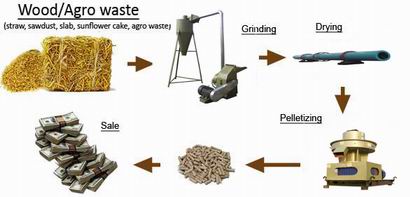
In industrial settings, pellets are typically produced from residual agricultural products, forestry industry waste, and virgin wood logs. These raw materials undergo a series of processes before being converted into pellets:
- Grinding: The raw material is ground into fine particles to increase its surface area.
- Drying: The particles are dried to reduce their moisture content, making them more suitable for pellet production.
- Pelletizing: The dried material is then pressed into small pellets using a hydraulic press or vibrating screen.
Home Pellet Production
Producing pellets at home requires specific equipment and resources. The most common methods involve:
- Pellettators: These machines grind and compress raw materials into pellets. They come in various sizes, ranging from small to large capacity models.
- Spacious areas: Adequate space is needed for the pellet production process, as well as storage facilities for the finished products.
Environmental Impact
Pellets offer several environmental benefits when compared to traditional fossil fuels:
- Lower carbon footprint: Pellets produce significantly less greenhouse gas emissions than fossil fuels, making them a more environmentally friendly option.
- Renewable energy source: The primary raw materials used in pellet production come from renewable sources such as wood and agricultural waste.
Quality Standards
The quality of pellets is determined by their thermal properties, moisture content, and combustion efficiency. Pellets with higher thermal values (BTU) burn more efficiently, producing fewer emissions and less ash.
FAQs
- What are the benefits of using pellets as a sustainable energy source?
Pellets offer several environmental benefits when compared to traditional fossil fuels, including lower carbon footprint and renewable energy production. - Can I produce pellets at home without specialized equipment?
Producing pellets at home requires specific equipment such as pellettators, which can be expensive. However, some methods like manual processing using a grinder and press require minimal investment but offer low yields. - How do I determine the quality of my pellets?
Pellet quality is determined by thermal properties (BTU), moisture content, and combustion efficiency. Higher-quality pellets burn more efficiently and produce fewer emissions and ash. - Can pellets be used in stoves or furnaces?
Yes, pellets can be used in stoves or furnaces as a sustainable energy source. However, it’s essential to ensure the device is designed for pellet use and follow safety guidelines. - How do I store pellets after production?
Proper storage is crucial for maintaining pellet quality. Store finished pellets in a dry, well-ventilated area away from direct sunlight and moisture. - What are the health effects of using pellets as a fuel source?
Pellets burn more efficiently than fossil fuels, producing fewer emissions and less particulate matter. This makes them a healthier option compared to traditional energy sources. - Can I use pellets in outdoor heating applications?
Yes, pellets can be used in outdoor heating applications such as fire pits or wood stoves. However, it’s crucial to follow safety guidelines and ensure proper ventilation. - How do I maintain my pellet production equipment?
Regular maintenance is essential for ensuring optimal performance from your pellet production equipment. Check for wear and tear on moving parts, clean filters regularly, and perform routine checks to prevent breakdowns. - Can pellets be used in industrial applications beyond heating?
Yes, pellets can be used as a raw material for various industrial processes, such as paper manufacturing or biodegradable plastics production.
Types of Pellets
There are several types of pellets available in the market, each with its unique characteristics and benefits:
- Wood pellets: Made from wood waste, these pellets are widely used as a sustainable energy source.
- Biomass pellets: Composed of agricultural waste, forestry industry waste, or other organic materials, biomass pellets offer a renewable alternative to fossil fuels.
- Algae-based pellets: Produced from algae oil, these pellets have gained popularity due to their high energy content and minimal environmental impact.
Advantages of Pellets
Pellets offer several advantages over traditional fossil fuels:
- Renewable resource: The primary raw materials used in pellet production come from renewable sources such as wood and agricultural waste.
- Lower emissions: Pellets produce significantly less greenhouse gas emissions than fossil fuels, making them a more environmentally friendly option.
- Improved efficiency: Pellets burn more efficiently than fossil fuels, producing fewer emissions and less ash.
Challenges in Producing Pellets
Despite the benefits of pellets, there are several challenges associated with their production:
- Raw material availability: The availability of raw materials such as wood chips or agricultural waste can be limited, affecting pellet production.
- Energy consumption: Pellet production requires significant energy consumption, which can lead to higher greenhouse gas emissions.
- Storage and transportation: Proper storage and transportation of pellets are essential for maintaining their quality and reducing environmental impact.
Conclusion
Pellets have emerged as an environmentally friendly energy source, offering numerous benefits compared to traditional fossil fuels. Understanding the production process, quality standards, and potential applications of pellets can help you make informed decisions about their use in your daily life. By considering the advantages and challenges associated with pellet production, we can work towards a more sustainable future for our planet.
Future Outlook
As concerns about climate change and environmental sustainability continue to grow, the demand for renewable energy sources like pellets is likely to increase. Advancements in technology and infrastructure will play a crucial role in scaling up pellet production while minimizing its environmental impact. By investing in research and development, we can create more efficient, cost-effective, and sustainable pellet production processes.
References
- [1] The United Nations Framework Convention on Climate Change (UNFCCC)
- [2] The International Energy Agency (IEA)
- [3] The National Renewable Energy Laboratory (NREL)


