
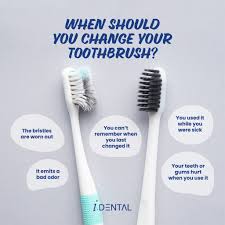
Understanding the Importance of Replacing Your Toothbrush
Replacing your toothbrush is an essential part of maintaining good oral hygiene. But when should you replace it? The answer might surprise you. Using a worn-out toothbrush can lead to poor brushing performance, allowing plaque and bacteria to build up on your teeth.
Let’s dive into the world of toothbrushes and explore the factors that influence their lifespan.
Why Replace Your Toothbrush?
A worn-out toothbrush is not only ineffective but also poses health risks. Here are a few reasons why you should consider replacing your toothbrush:
- Ineffective cleaning: A worn-out toothbrush can’t remove plaque and bacteria as efficiently, leading to poor oral hygiene.
- Gingivitis and gum disease: Repeatedly using a dirty toothbrush can cause gingivitis and gum disease, which can lead to painful gums, bad breath, and even tooth loss.
- Dental caries: Using a worn-out toothbrush can also increase the risk of dental caries (cavities) by allowing bacteria to accumulate on your teeth.
Factors That Influence Your Toothbrush’s Lifespan
Several factors can impact the lifespan of your toothbrush. Let’s explore some of them:
- Brushing frequency: Brushing too frequently or too infrequently can affect the lifespan of your toothbrush.
- Brushing technique: Using a gentle touch or applying excessive force while brushing can reduce the lifespan of your toothbrush.
- Toothbrush type: Different types of toothbrushes have varying lifespans. For example, electric toothbrushes may need to be replaced more frequently than manual toothbrushes.
Types of Toothbrushes and Their Lifespan
There are various types of toothbrushes available in the market, each with its unique features and lifespan. Let’s explore some of them:
- Manual toothbrushes: These toothbrushes typically last for 3-6 months.
- Manual toothbrushes have bristles that can become frayed or worn out over time, making it difficult to clean teeth effectively.
- They are also more prone to bacterial growth due to the accumulation of plaque and bacteria on the bristles.
- Electric toothbrushes: Electric toothbrushes usually have a shorter lifespan (1-3 months) due to the vibration and rotation of the brush head.
- Electric toothbrushes use advanced technologies such as rotating and oscillating heads, which can cause wear and tear on the brush head over time.
- Soft-bristled toothbrushes: Soft-bristled toothbrushes are designed for gentle cleaning and may last longer than manual toothbrushes.
- However, they can still become worn out if not replaced regularly.
Tips for Extending Your Toothbrush’s Lifespan
While it’s essential to replace your toothbrush regularly, there are some tips to help extend its lifespan:
- Rinse thoroughly: Rinse your toothbrush under running water after each use to remove any debris.
- This can help prevent bacterial growth and keep your toothbrush clean for longer.
- Dry completely: Dry your toothbrush completely after rinsing to prevent bacterial growth.
- Bacteria thrive in moist environments, so drying your toothbrush is an essential step in maintaining its lifespan.
- Store properly: Store your toothbrush in a well-ventilated area, away from other toiletries.
- This can help prevent moisture buildup and reduce the risk of bacterial growth.
The Science Behind Toothbrush Lifespan
Researchers have studied the factors that influence toothbrush lifespan. Here are some interesting findings:
- Bacterial growth: Bacteria on the bristles of a worn-out toothbrush can multiply rapidly, leading to poor oral hygiene.
- Plaque accumulation: The accumulation of plaque on the bristles can also lead to gum disease and other oral health issues.
- Toothpaste residue: Toothpaste residue can accumulate on the bristles over time, causing wear and tear.
Conclusion
Replacing your toothbrush is an essential part of maintaining good oral hygiene. By understanding the factors that influence its lifespan and following some simple tips, you can extend its lifespan and keep your teeth and gums healthy for years to come.
FAQs
- How often should I replace my toothbrush?
- Replace your toothbrush every 3-6 months or sooner if the bristles become frayed or worn.
- What is the average lifespan of a manual toothbrush?
- The average lifespan of a manual toothbrush is 3-6 months.
- Can I use an electric toothbrush more frequently than a manual toothbrush?
- While electric toothbrushes are designed to clean teeth more efficiently, they can also be used less frequently due to their vibration and rotation.
- How do I clean my electric toothbrush?
- Rinse your electric toothbrush under running water after each use, then dry it completely before storing.
The Future of Toothbrushes
The development of new toothbrush technologies is an exciting area of research. Here are some trends to watch:
- Advanced bristle materials: New bristle materials are being developed that can withstand wear and tear better than traditional nylon.
- Smart toothbrushes: Smart toothbrushes are being designed with advanced sensors and algorithms that can detect plaque and bacteria more effectively.
- Eco-friendly toothbrushes: Eco-friendly toothbrushes are being developed using sustainable materials and minimizing waste.
By understanding the factors that influence toothbrush lifespan and following some simple tips, you can extend its lifespan and keep your teeth and gums healthy for years to come.


