
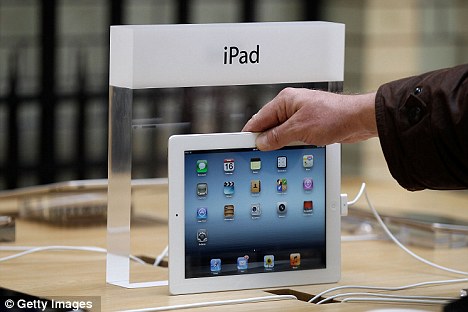
As we go about our daily lives, our electronic gadgets seem to come to life, consuming energy without us even realizing it. From the largest iMacs to the smallest iPods, all our devices need electricity to function. In this article, we’ll delve into the world of energy consumption and explore just how much energy an iPad really uses.
Understanding Energy Consumption
The Electric Power Research Institute (EPRI) has conducted extensive studies on the energy consumption of various electronic devices, including iPads. Their findings have shown that the amount of energy a device consumes can make a significant difference in its overall impact on the environment.
How Much Does an iPad Consume?
According to the EPRI study, a single iPad consumes approximately 12 kWh (kilowatt-hours) of electricity per year. To put this into perspective, a TV with a 42-inch plasma screen consumes around 358 kWh of energy annually. This means that an iPad uses significantly less energy than a large television.
Calculating the Cost
In the United States, 365 days of charging an iPad would cost around $1.36 on your utility bill. In Italy, the cost would vary depending on local electricity rates and tariff structures. The EPRI also conducted a similar study for the iPhone 3G, finding that it consumes only 2.2 kWh of energy per year, equivalent to a yearly cost of $0.25.
The Global Impact
While there may be many iPads and iPhones in use around the world, their collective impact is substantial. The EPRI estimates that an iPad’s energy consumption contributes to approximately 590 gigawatt-hours (GWh) of electricity per year globally. With tablet sales expected to triple over the next two years, this number could increase significantly.
Comparing Energy Consumption
To put the iPad’s energy consumption into perspective, consider comparing it to a computer portable. The EPRI found that a typical laptop consumes around 72.3 kWh of electricity annually, with an estimated cost of $8.31 per year. This means that an iPad uses significantly less energy than a laptop.
The Environmental Impact
So, what’s the bigger picture here? While it may seem insignificant, the collective energy consumption of millions of iPads could have a substantial impact on the environment. To put this into perspective, the equivalent of two 250-megawatt power plants would be needed to generate the same amount of electricity consumed by all the iPads in use.
Carbon Footprint
The carbon footprint associated with an iPad’s energy consumption is another important consideration. The EPRI estimates that a single iPad generates around 2.5 kg (5.5 lbs) of CO2 emissions per year, based on an average US electricity mix. This may seem like a small amount, but it can add up quickly when considering the large number of iPads in use.
Power Consumption Patterns
It’s also worth noting that power consumption patterns can have a significant impact on energy usage. For example, if you’re constantly charging your iPad throughout the day, you’ll consume more energy than if you only charge it once or twice per week. This highlights the importance of being mindful of our device usage habits.
Design and Manufacturing
In addition to energy consumption, we should also consider the environmental impact of designing and manufacturing iPads. The production process for electronic devices is complex and often requires significant amounts of energy, water, and raw materials. As consumers, it’s essential to choose products from companies that prioritize sustainability and environmentally responsible practices.
E-waste
Finally, let’s discuss the issue of e-waste associated with iPad usage. When an iPad reaches the end of its lifespan, it can contribute to the growing problem of electronic waste. This not only harms the environment but also poses health risks for humans and wildlife. As a responsible consumer, it’s crucial to recycle your devices or repurpose them in creative ways.
Conclusion
While an iPad may seem like a device that consumes an inordinate amount of energy, the reality is that it uses significantly less than many other devices. By understanding the true cost of our electronic gadgets and making informed choices about their usage, we can work towards reducing our overall environmental impact.
Recommendations for Reducing Energy Consumption
To minimize your iPad’s energy consumption and reduce your environmental footprint, consider the following tips:
- Use power-saving features: Many iPads come with built-in power-saving features that can help extend battery life. Use these features to keep your device running for longer periods.
- Turn off unnecessary devices: When not in use, turn off any connected devices to reduce energy consumption.
- Upgrade to an energy-efficient iPad model: Newer models often come with more efficient processors and improved battery life, which can help reduce overall energy consumption.
Frequently Asked Questions (FAQs)
-
How much does an iPad consume in terms of energy?
According to the EPRI study, a single iPad consumes approximately 12 kWh of electricity per year.
2. What is the estimated cost of running an iPad on my utility bill?In the United States, 365 days of charging an iPad would cost around $1.36 on your utility bill.
3. Is an iPad more energy-efficient than a laptop?Yes, according to the EPRI study, an iPad uses significantly less energy than a typical laptop, with a lower estimated cost per year.
4. What is the global impact of all the iPads in use?The EPRI estimates that an iPad’s energy consumption contributes to approximately 590 gigawatt-hours (GWh) of electricity per year globally.
5. How much energy would be required to generate the same amount as all the iPads in use?The equivalent of two 250-megawatt power plants would be needed to generate the same amount of electricity consumed by all the iPads in use.
6. What can I do to reduce my environmental impact when using an iPad?By making informed choices about your usage and choosing energy-efficient devices, you can contribute to reducing your overall environmental impact.
7. Are there any other ways to measure the energy consumption of a device besides kWh?Yes, other units such as watt-hours (Wh) or megawatt-hours (MWh) can also be used to measure energy consumption.
8. Can I offset my energy consumption by using renewable sources?While it’s not possible to directly offset your iPad’s energy consumption with renewable sources, you can make a positive impact on the environment by reducing your overall energy usage and choosing sustainable options.


