
As we go about our daily lives and economies, there are some pressing questions on everyone’s mind. What’s the real impact of air travel on the environment? Is it a major contributor to pollution, or can it be made more sustainable? In this article, we’ll delve into the numbers and opinions surrounding air travel’s environmental footprint.
Air Travel: A Major Source of CO2 Emissions
The aviation industry produces around 2% of global CO2 emissions, with Europe accounting for up to 3%. This is according to the Air Transport Action Group, a reputable organization that tracks the environmental impact of air travel. To put this into perspective, if we consider the entire transportation sector, which includes cars, buses, and trains, air travel’s share of CO2 emissions is relatively small.
However, it’s essential to note that these numbers are not insignificant. In fact, the International Council on Clean Transportation estimates that air travel produces around 72% of its emissions from carbon dioxide (CO2), with the remaining 28% coming from other pollutants like nitrogen oxides and particulate matter.
Comparing Air Travel to Other Modes of Transportation
So, how does air travel stack up against other modes of transportation when it comes to CO2 emissions? A study by the International Energy Agency found that driving a car produces around 42 grams of CO2 per passenger-kilometer, while flying produces around 285 grams. This means that air travel is significantly more polluting than driving.
The Growth of Air Travel
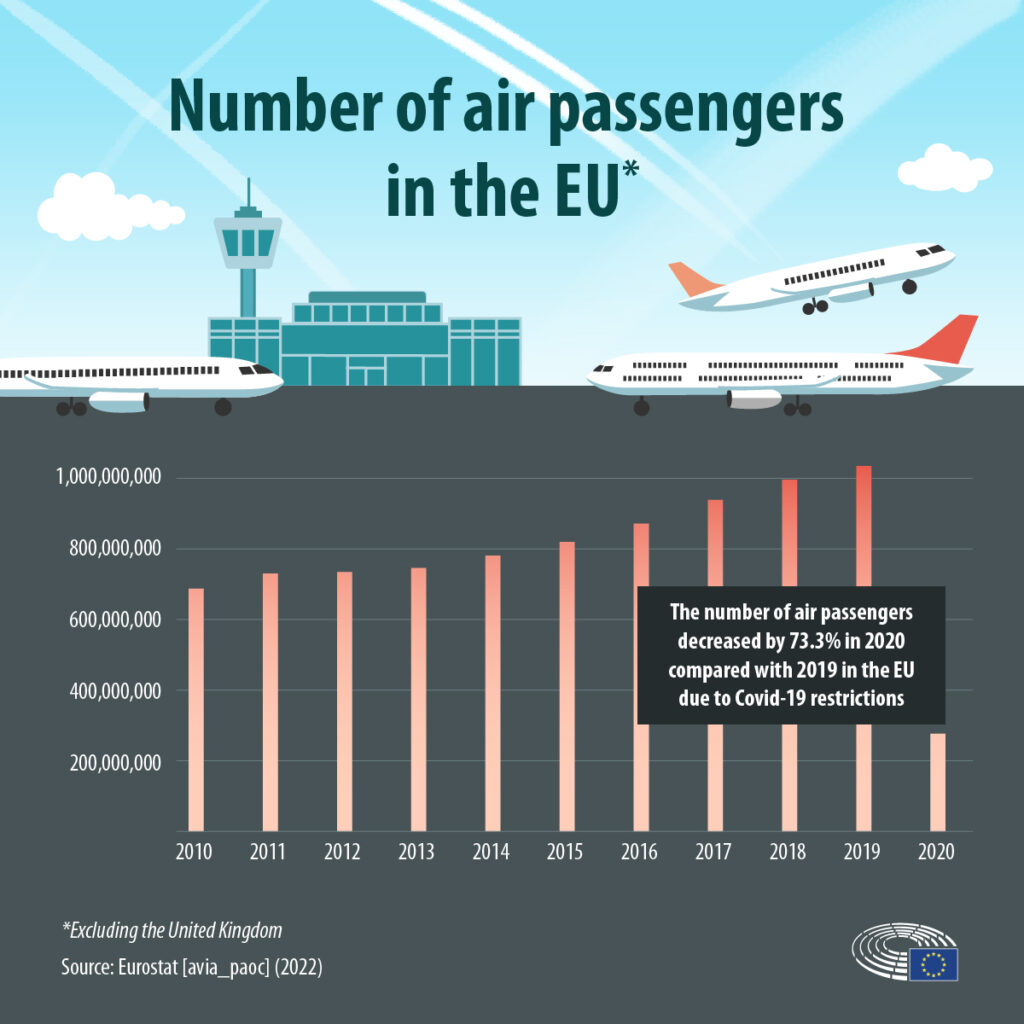
But here’s another pressing question: how fast is air travel growing? According to the Airports Council International (ACI), global air travel grew by 6% in 2018, with a total of 8.8 billion passengers taking to the skies that year. This growth rate is expected to continue, with some estimates suggesting that air travel could increase by another 30% between 2020 and 2023.
The Environmental Impact of Long-Haul Flights
Long-haul flights are particularly significant contributors to CO2 emissions. On average, these flights produce around 8 tons of CO2 per 10 kilometers traveled. This means that if you’re flying from Europe to the United States, for example, your flight could produce around 80 grams of CO2 per kilometer.
Company-by-Company Analysis
Not all airlines are created equal when it comes to reducing their environmental impact. In fact, some companies are taking steps to make their operations more sustainable. EasyJet, for instance, is committed to reducing its CO2 emissions and has set a target of 75 grams of CO2 per passenger-kilometer by 2020.
However, other airlines have yet to follow suit. For example, the International Airlines Group, which includes British Airways and Iberia, has estimated that its flights produce around 112 grams of CO2 per passenger-kilometer.
Opinions on Air Travel’s Environmental Impact
While some people are concerned about air travel’s environmental impact, others see it as a minor issue. After all, isn’t air travel one of the most convenient modes of transportation available?
However, this convenience comes at a cost. The aviation industry is responsible for around 2% of global greenhouse gas emissions, which is equivalent to the entire country of France.
The Carbon Footprint of Air Travel
One way to understand the environmental impact of air travel is to consider its carbon footprint. According to a study by the Aviation Environmental Research Centre, the average carbon footprint of an airline passenger is around 285 grams of CO2 per kilometer traveled. This means that if you’re flying from New York to London, for example, your flight could produce around 850 grams of CO2.
Sustainable Air Travel: A Possible Future
While air travel’s environmental impact may seem daunting, it’s not impossible to make the industry more sustainable. In fact, there are already several initiatives underway aimed at reducing air travel’s carbon footprint.
For example, the European Commission has set a target of making aviation carbon-neutral by 2050. To achieve this goal, airlines will need to find ways to reduce their CO2 emissions, such as through more efficient engines and better fuel management.
The Role of Technology in Sustainable Air Travel
Technology is playing an increasingly important role in reducing air travel’s environmental impact. For example, some airlines are already using electric or hybrid-electric aircraft, which can significantly reduce carbon emissions.
Another innovation is the use of alternative fuels, such as biofuels or hydrogen-based fuels, which can be used to power aircraft engines and reduce CO2 emissions.
The Importance of Aviation Policy
While technology and innovation are important steps towards making air travel more sustainable, aviation policy also plays a crucial role. Governments around the world are beginning to recognize the importance of reducing air travel’s environmental impact.
For example, the European Union has introduced a new carbon offsetting scheme for international flights, which requires airlines to buy credits from projects that reduce greenhouse gas emissions.
The Impact on Local Communities
While air travel’s environmental impact may seem abstract, it also has real-world consequences for local communities. For example, noise pollution from aircraft engines can be a significant issue for people living near airports.
Additionally, the growth of air travel can lead to increased traffic congestion and strain on local infrastructure, which can have negative impacts on quality of life.
Conclusion
In conclusion, while air travel’s environmental impact may not be as significant as some other issues, it’s still an important consideration for individuals and companies alike. By understanding the numbers and opinions surrounding air travel’s environmental footprint, we can make more informed decisions about our transportation habits.
Whether through changes in airline operations or advances in technology, there are many ways to make air travel more sustainable. As the aviation industry continues to grow, it’s essential that we prioritize reducing its environmental impact and finding solutions that balance convenience with sustainability.
Frequently Asked Questions (FAQs)
- What is the main source of CO2 emissions from air travel?
The International Council on Clean Transportation estimates that around 72% of air travel’s CO2 emissions come from carbon dioxide.
- How does air travel compare to other modes of transportation in terms of CO2 emissions?
According to a study by the International Energy Agency, driving a car produces around 42 grams of CO2 per passenger-kilometer, while flying produces around 285 grams.
- Is air travel growing faster than other modes of transportation?
Yes, according to the Airports Council International (ACI), global air travel grew by 6% in 2018, with a total of 8.8 billion passengers taking to the skies that year.
- What is the most significant contributor to CO2 emissions from long-haul flights?
On average, long-haul flights produce around 8 tons of CO2 per 10 kilometers traveled.
- Which airlines are making efforts to reduce their environmental impact?
EasyJet has set a target of 75 grams of CO2 per passenger-kilometer by 2020 and is committed to reducing its emissions.
- Can air travel be made more sustainable in the future?
Yes, with advances in technology and changes in aviation policies, it’s possible for air travel to become more sustainable in the future.
- What is the carbon footprint of air travel?
The average carbon footprint of an airline passenger is around 285 grams of CO2 per kilometer traveled.
- How can we reduce air travel’s environmental impact?
There are several ways to reduce air travel’s environmental impact, including by using alternative fuels, improving fuel efficiency, and reducing waste.
- What role does technology play in sustainable air travel?
Technology is playing an increasingly important role in reducing air travel’s environmental impact, with innovations such as electric aircraft, hybrid-electric engines, and alternative fuels.
- How can aviation policy help reduce air travel’s environmental impact?
Aviation policy plays a crucial role in reducing air travel’s environmental impact, with initiatives such as carbon offsetting schemes and regulations on fuel efficiency helping to mitigate the industry’s effects.


