
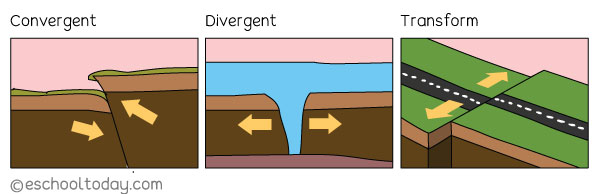
Earthquakes are a natural phenomenon characterized by the sudden release of energy that causes the ground to shake. This movement can be caused by various factors, including tectonic plates moving beneath the Earth’s surface. The term “earthquake” literally translates to “movement of the Earth,” which encompasses not only vibrations or adjustments of the Earth’s crust but also the spontaneous movement of rocks within the subsurface. When this movement occurs, it results in a release of stored energy that travels through the ground as seismic waves.
Understanding Seismic Waves
Seismic waves are what cause the shaking we feel during an earthquake. These waves can travel through various materials, including solid rock, water, and even air. The speed at which they move depends on their type (primary, secondary, or surface waves) and the properties of the medium they pass through.
- Primary Seismic Waves: Also known as P-waves, these are longitudinal waves that travel through the Earth’s interior. They have a slower speed than surface waves but can be detected at greater depths.
- Secondary Seismic Waves: S-waves are transverse waves that travel through the Earth’s interior. They have a slower speed than P-waves and are more difficult to detect.
- Surface Seismic Waves: These waves travel along the Earth’s surface and are typically faster than P- and S-waves. Surface waves are responsible for most of the damage caused by earthquakes.
Types of Earthquakes
Understanding the origin of seismic activity is crucial for predicting and preparing for earthquakes. While it’s challenging to pinpoint the exact cause of an earthquake, scientists often look at various factors:
- Tectonic Earthquakes: These are the most common type of earthquake and occur due to tectonic movements beneath the Earth’s surface.
- Vulcanic Earthquakes: Caused by volcanic activity, these earthquakes are less frequent but can be more intense than tectonic earthquakes.
- Rockfalls and Landslides: Although not technically earthquakes, rockfalls and landslides can cause significant damage and loss of life. These events often result from erosion or instability in the terrain.
- Human-Induced Earthquakes: In rare cases, earthquakes can be triggered by human activities such as injection of fluids into the ground or mining operations.
Measuring Earthquake Intensity
To understand the severity of an earthquake, scientists use various scales to measure its intensity. The most widely recognized scale is the:
- Richter Scale: This scale measures the magnitude of an earthquake based on the amount of energy released during the quake.
- Modified Mercalli Scale: This scale assesses the damage caused by an earthquake, from minor effects (such as a few broken windows) to severe shaking that can cause significant damage.
Understanding Earthquake Hubs
Some regions are more prone to earthquakes than others. These areas, often located along fault lines or near volcanic activity, are known as “earthquake hubs.” Understanding the likelihood of an earthquake in these areas is crucial for residents and visitors alike.
- San Andreas Fault: Located in California, this fault line runs over 800 miles and has a history of producing significant earthquakes.
- North Anatolian Fault: This fault line runs through Turkey and has been responsible for numerous devastating earthquakes in the region.
- Ring of Fire: This zone of high seismic activity surrounds the Pacific Ocean and is home to many active volcanoes and fault lines.
Fascinating Facts About Earthquakes
- The world’s largest earthquake was measured at 9.5 on the Richter scale, which occurred in Chile in 1960.
- Earthquakes can cause tsunamis, which are large ocean waves that can cause widespread damage and loss of life when they reach land.
- Earthquakes can also trigger landslides and rockfalls, which can block rivers and disrupt local ecosystems.
Conclusion
Earthquakes are a natural phenomenon that can have significant impacts on our lives. Understanding the different types of earthquakes, their causes, and how to measure their intensity is crucial for preparing for and responding to these events. By recognizing the signs of an impending earthquake and knowing what to do in case of an emergency, we can minimize the risks associated with seismic activity.
Frequently Asked Questions (FAQs)
- What are the most common causes of earthquakes?
- Tectonic plate movements are the primary cause of earthquakes.
- How do scientists measure earthquake intensity?
- Scientists use the Richter and Modified Mercalli scales to assess an earthquake’s magnitude and damage.
- Can humans trigger earthquakes?
- While human activities can sometimes trigger small earthquakes, it is extremely rare for large-scale earthquakes to be caused by human actions.
- What are some of the most earthquake-prone regions in the world?
- Areas along fault lines, such as the San Andreas Fault in California and the North Anatolian Fault in Turkey, are considered high-risk zones.
- How can I prepare for an earthquake?
- Having a plan, securing heavy objects, and practicing evacuation procedures are essential steps to take before an earthquake occurs.
By understanding earthquakes and their causes, we can better prepare for and respond to these natural disasters. It is crucial to stay informed about seismic activity in your area and to have a plan in place in case of an emergency.


