
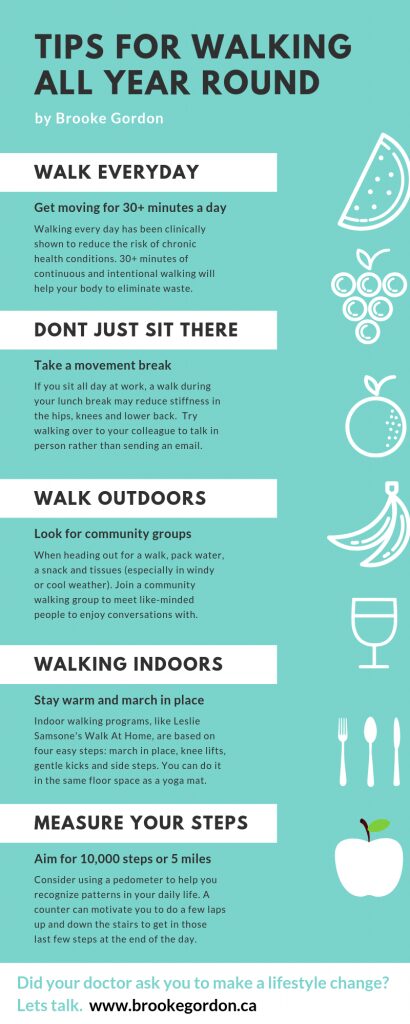
As we strive to reach our weight loss goals, many diet and health experts recommend incorporating regular brisk walking into our daily routine as an effective exercise for burning calories. But how much time should we dedicate to walking each day to achieve our objectives? In this article, we’ll explore the ideal duration of brisk walking to support your weight loss journey.
How Long Should You Walk Each Day for Weight Loss?
In general, it’s recommended to aim for a brisk walk of 30-90 minutes most days of the week to sustain your weight loss goals. However, you can adjust this timeframe based on your individual needs and schedule. Aiming for at least 150 minutes (2.5 hours) of brisk walking per week is a good starting point.
What Characterizes Brisk Walking?
To reap the benefits of brisk walking, it’s essential to maintain a moderate intensity level, typically between 60-70% of your maximum heart rate. This will ensure you’re burning calories effectively without exhausting yourself. You should be able to hold conversations with full sentences, but not feel winded.
Factors to Consider When Starting Your Brisk Walking Journey
If you’re new to brisk walking, it’s crucial to start slowly and gradually increase your time and intensity. Begin with shorter sessions of 10-15 minutes and build up your endurance over time. It’s also essential to listen to your body and rest when needed.
Tips for Effective Brisk Walking and Weight Loss
To maximize the benefits of brisk walking, follow these guidelines:
- Start with shorter sessions and gradually increase duration as you build up your endurance.
- Aim to walk at a moderate intensity level, allowing you to hold conversations while still challenging yourself.
- Incorporate interval training, such as short bursts of high-intensity walking followed by periods of rest, to boost calorie burn.
- Use stairs or hills to add variety and challenge to your walks.
- Consider investing in a fitness tracker or heart rate monitor to ensure you’re staying within your target intensity zone.
What Happens When You Don’t Meet Your Brisk Walking Goals?
Life can get busy, and it’s not always possible to meet our walking goals. If you find yourself struggling to fit in 30 minutes of brisk walking per day, try breaking it down into shorter sessions with more frequent intervals. This will help you stay on track while also avoiding burnout.
Calorie Burn During Brisk Walking
The number of calories burned during a 30-minute brisk walk can vary depending on your weight and intensity level. However, as a general estimate, you can expect to burn between 100-300 calories per 30 minutes or 200-600 calories per hour.
What Happens to Your Body After Brisk Walking
When you start brisk walking, your body initially uses stored carbohydrates for energy. As you continue walking, your body begins to break down fat cells and burns them as fuel. This process is a key component of weight loss, making regular brisk walking an effective tool in your weight loss journey.
Common Challenges and Solutions
- Injury Prevention: Wear comfortable shoes and consider investing in orthotics if necessary. Start slowly and gradually increase your intensity to avoid injury.
- Weather Conditions: Find indoor or covered areas for walking during extreme weather conditions. Alternatively, try walking at night with a buddy for added safety.
- Motivation: Vary your route and incorporate interval training to keep your walks engaging and challenging.
Nutrition for Weight Loss
While brisk walking is an essential component of weight loss, it’s equally important to focus on a balanced diet that supports your goals. Here are some key nutrition tips:
- Hydration: Drink plenty of water throughout the day to stay hydrated and support metabolism.
- Protein Intake: Aim for 1-1.5 grams of protein per kilogram of body weight daily to support muscle growth and maintenance.
- Healthy Fats: Incorporate sources of healthy fats, such as nuts and seeds, into your diet to support hormone production and overall health.
Progress Monitoring
Regularly tracking your progress is essential for staying motivated and adjusting your strategy as needed. Here are some key metrics to monitor:
- Weight Loss: Track your weight loss over time to see the impact of your brisk walking routine.
- Body Fat Percentage: Monitor your body fat percentage using a reliable measurement method, such as skinfold measurements or dual-energy X-ray absorptiometry (DXA).
- Measurements: Take regular body measurements to track changes in circumference and overall health.
Common Myths About Brisk Walking
- Myth: Brisk walking is boring.
Reality: Vary your route, incorporate interval training, and find a walking buddy to make the experience more enjoyable. - Myth: You need to be an elite athlete to reap the benefits of brisk walking.
Reality: Brisk walking is accessible to everyone, regardless of fitness level or age. Start slowly and gradually increase your intensity.
Conclusion
Brisk walking is a simple yet powerful way to support your weight loss goals. By incorporating regular walks into your daily routine, you can improve your metabolism, burn calories, and achieve a healthier lifestyle. Remember to start slowly, listen to your body, and adjust your intensity level as needed. With consistent effort, you’ll be on your way to achieving your weight loss objectives in no time.
Frequently Asked Questions (FAQs)
Q: How often should I walk for weight loss?
A: Aim for at least 150 minutes of brisk walking per week, spread out over most days of the week.
Q: What’s a good starting point for a new walker?
A: Begin with shorter sessions of 10-15 minutes and gradually increase duration as you build up your endurance.
Q: How do I know if I’m walking at the right intensity level?
A: Use a fitness tracker or heart rate monitor to ensure you’re staying within your target intensity zone.
Q: Can I still lose weight if I don’t meet my brisk walking goals every day?
A: While regular brisk walking is essential for weight loss, it’s not always possible to meet your goals. Try breaking down your walks into shorter sessions with more frequent intervals.
Q: How many calories do I burn during a 30-minute brisk walk?
A: You can expect to burn between 100-300 calories per 30 minutes or 200-600 calories per hour, depending on your weight and intensity level.
Q: What’s the best way to incorporate interval training into my brisk walking routine?
A: Try incorporating short bursts of high-intensity walking followed by periods of rest. You can also use stairs or hills to add variety and challenge to your walks.
Q: Can I wear a backpack or carry heavy weights while brisk walking for weight loss?
A: While it’s possible, carrying excessive weight can compromise your safety and effectiveness. Opt for light, comfortable clothing and avoid wearing heavy packs or backpacks during brisk walking sessions.
Q: How long does it take to see results from regular brisk walking?
A: The amount of time it takes to notice results from regular brisk walking depends on various factors, including your starting weight, intensity level, and overall diet. However, consistent effort can lead to noticeable improvements in your metabolism and overall health within a few weeks.
Q: Can I do brisk walking at night or in the rain?
A: While it’s technically possible, brisk walking at night or in the rain may not be the most enjoyable experience. Consider alternative forms of exercise that are more comfortable and safe for you.


