
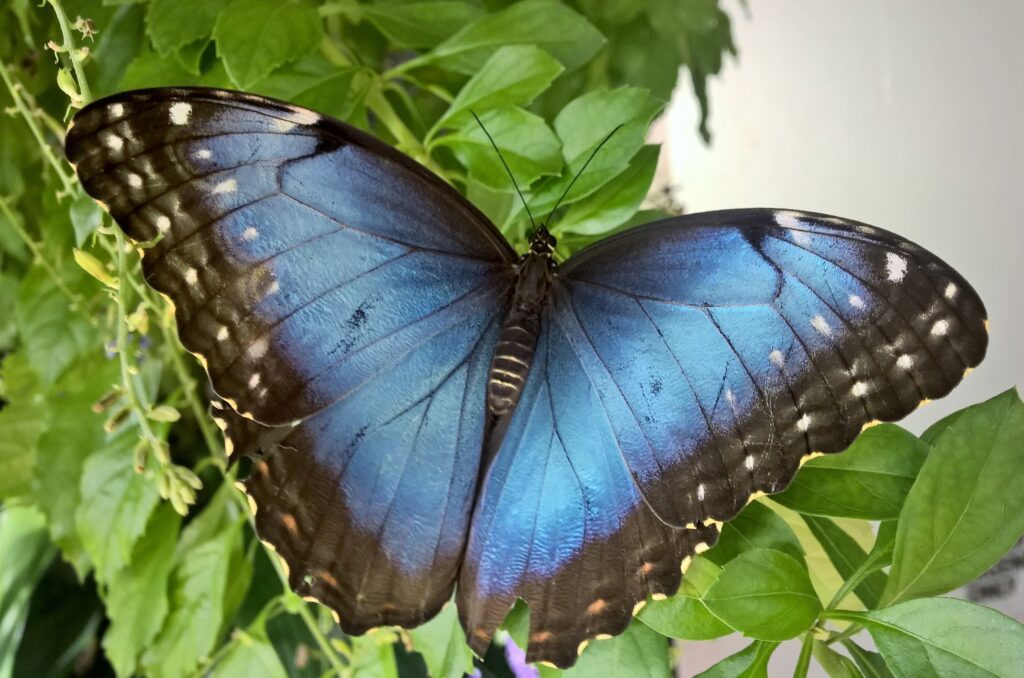
As we gaze at a butterfly’s delicate wings, it’s hard not to wonder about its life journey. How long does a butterfly live? Is it just a matter of a few weeks or months, as many people might assume? The answer is more complex than that.
To unravel the mystery of the butterfly’s lifespan, let’s delve into the fascinating world of their four-stage life cycle: egg, larva (caterpillar), pupa (chrysalis), and adult butterfly. Each stage plays a crucial role in shaping the butterfly’s fate.
The Life Cycle of a Butterfly
A butterfly’s life cycle consists of four stages:
Egg Stage
The journey begins with the egg stage, where the female butterfly lays her eggs on a suitable host plant. This stage can last anywhere from 3 to 30 days, depending on factors like temperature and humidity.
During this stage, the female butterfly carefully selects the perfect spot for her eggs, taking into account the plant’s nutritional value and availability of resources for the developing caterpillar. The eggs are typically laid in clusters or individual eggs, and they can be quite small, measuring around 0.1-0.2 millimeters in diameter.
Larval Stage (Caterpillar)
After hatching, the larva emerges, hungry and eager to feed. The caterpillar will eat its way through the host plant’s leaves, gradually growing in size. This stage can last anywhere from a few weeks to several months, depending on the species and environmental conditions.
During this stage, the caterpillar undergoes significant growth, molting several times as it outgrows its skin. This process is crucial for the development of its adult form, as it allows the butterfly to accumulate the necessary nutrients and energy reserves.
Pupal Stage (Chrysalis)
As the caterpillar grows, it will eventually attach itself to a leaf or branch and form a chrysalis. Inside this protective casing, the caterpillar undergoes a dramatic transformation, as its body breaks down and reorganizes into the adult butterfly form. This stage can last anywhere from a few weeks to several months.
During this stage, the pupa is vulnerable to predators and environmental stressors, such as extreme temperatures or lack of humidity. However, it is also during this time that the butterfly undergoes its most significant transformation, as its body parts and organs are reorganized into their adult form.
Adult Butterfly
Finally, after what seems like an eternity, the adult butterfly emerges from its chrysalis. Its wings are soft and folded, but as it pumps blood into them, they expand and dry, ready for flight. This stage is where we meet our beloved butterflies, flitting about, sipping nectar, and spreading their colorful wings.
The adult butterfly’s primary function is to reproduce, as its species depends on the successful transmission of genetic material from one generation to the next. However, this stage also involves other essential activities, such as feeding, mating, and territorial behavior.
How Long Do Butterflies Live?
So, how long do butterflies live? The answer varies greatly depending on the species. While some butterflies may only live a few hours or days, others can thrive for several weeks, months, or even years!
For example, the monarch butterfly migrates thousands of miles each year, traveling from Canada to Mexico. These incredible flyers typically live between 2-8 months, but their offspring can survive up to 3 years.
On the other hand, some species of butterflies may only live a few days, while others, like the Polyommatus coridon, can live up to 7 years in captivity!
The Longest-Lived Butterfly
Meet the Ornithoptera alexandrae, the world’s largest butterfly. This majestic creature boasts an impressive wingspan of 31 cm (12 inches) and weighs around 12 grams (0.4 ounces). Its life expectancy? A mere 3 months!
While butterflies may not be among the longest-lived animals on our planet, they certainly pack a punch in terms of lifespan diversity.
Factors Influencing Butterfly Lifespan
Several factors contribute to the varying lifespans of different butterfly species:
- Temperature: Temperature plays a significant role in determining a butterfly’s lifespan. Some species thrive in warmer temperatures, while others prefer cooler conditions.
- Humidity: Humidity also affects a butterfly’s lifespan, as it influences the availability of water and nutrients for the developing caterpillar.
- Food Availability: The quality and quantity of food available to the caterpillar and adult butterfly can significantly impact their lifespan.
- Predation Pressure: Predators, such as birds, bats, and spiders, can have a significant impact on a butterfly’s lifespan.
- Genetics: Genetic factors also play a role in determining a butterfly’s lifespan, with some species having evolved longer lifespans than others.
Frequently Asked Questions
Here are some answers to common questions about butterfly lifespans:
Q: How long do most butterflies live?
A: The average lifespan of a butterfly is around 1-4 weeks, although some species can live up to several months or even years.
Q: What determines the lifespan of a butterfly?
A: Several factors influence a butterfly’s lifespan, including temperature, humidity, food availability, and predation pressure.
Q: Can I keep a butterfly as a pet?
A: While it’s possible to care for butterflies in captivity, their lifespan is usually short-lived (around 1-4 weeks).
Q: Why do some butterflies live longer than others?
A: Species-specific traits, environmental conditions, and genetics all contribute to the varying lifespans of different butterfly species.
Q: Can I encourage a butterfly to live longer?
A: By providing optimal living conditions, including food, shelter, and protection from predators, you can help extend your butterfly’s lifespan.
Q: What is the longest-lived butterfly species?
A: The Vanessa antiopa, also known as the “Antelope Butterfly,” has been reported to live up to 1 year in captivity!
Q: How can I identify a butterfly’s stage of life?
A: By observing its behavior, coloration, and physical characteristics, you can determine which stage your butterfly is in.
Q: Can butterflies recognize their mates?
A: Yes! Butterflies use pheromones and visual cues to find potential mates and establish reproductive relationships.
Conclusion
The lifespan of a butterfly is as varied and fascinating as the creatures themselves. By understanding the intricate life cycle of these beautiful insects, we can appreciate their unique characteristics and behaviors even more.
As we continue to explore the natural world, it’s essential to recognize the importance of butterflies in our ecosystem. These tiny creatures play a crucial role in pollination, seed dispersal, and food chains, making them an integral part of our planet’s delicate balance.
In the next section, we’ll delve into the fascinating world of butterfly migration patterns and their incredible journeys across continents.


