
What is Solar Radiation?
Solar radiation refers to the amount of energy emitted by the sun towards the Earth’s surface. It’s a crucial factor in determining the efficiency of solar panels, which are used for producing hot water and generating electricity.
In this comprehensive guide, we’ll delve into the world of solar radiation, exploring its importance, history, calculation methods, and tools like ENEA’s calculator. By the end of this article, you’ll have a solid understanding of how to calculate solar radiation and make informed decisions about your energy generation.
Why is Calibrating Solar Radiation Important?
To design and size solar panels correctly, operators need precise information about the available solar radiation on the surface where they will be installed. This data is also essential for homeowners who want to know if their location, exposure, and tilt can generate enough power from their solar panels.
A Brief History of Solar Energy Diffusion
With the increasing adoption of solar energy, calculating solar radiation has become a pressing concern. As rooftop solar and solar tiles have become more widespread, accurate data on daily solar radiation has become a public utility issue. To address this need, the Italian National Research Council (ENEA) developed a tool for calculating solar radiation at any location in Italy.
How Does ENEA’s Solar Radiation Calculator Work?
The ENEA calculator uses an algorithm that combines geographical data with real-time meteorological data from satellites to estimate daily solar radiation. The process involves:
- Assessing the amount of sunlight: When the sky is clear, more sunlight reaches the ground.
- Taking into account cloud cover: Greater cloud cover means less direct sunlight and increased attenuation of solar radiation.
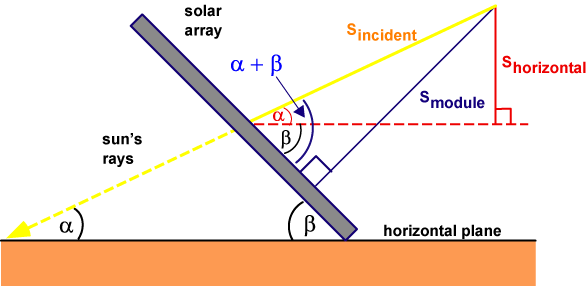
- Calculating irradiation for non-horizontal surfaces: ENEA’s algorithm accounts for uneven surfaces, such as glass windows or solar panels on rooftops.
Key Features of the Calculator
- Calculates irradiance in terms of daily solar radiation for non-horizontal surfaces
- Considers procedures set by UNI standards
- Takes into account obstacles (e.g., mountains, hills) at specific times of day
Future Developments
To further enhance its capabilities, ENEA plans to integrate additional data archives, including historical records and forecasting capabilities.
Getting Started with the Calculator
To start using the calculator, follow these steps:
- Access the tool: Visit the Italian National Research Council’s website or download the relevant software.
- Enter your location: Provide your geographical coordinates to get started.
- Choose your surface type: Select the type of surface you’re interested in calculating solar radiation for (e.g., rooftop, window).
Frequently Asked Questions
- Q: What data is required to use the calculator?
A: You’ll need to provide your geographical coordinates and choose the surface type. - Q: How accurate is the calculator’s output?
A: The algorithm takes into account various factors, such as cloud cover and obstacle presence, to ensure accurate results. - Q: Can I use the calculator for historical data analysis?
A: Yes, ENEA plans to integrate historical records in the near future. -
Q: Are there any limitations to the calculator’s capabilities?
A: While the algorithm can handle a wide range of scenarios, it may not account for every possible situation. -
Q: Can I use the calculator for other purposes beyond solar radiation calculations?
A: Yes, its algorithms and data sources can be applied to various environmental studies. - Q: Will there be updates or improvements to the calculator in the future?
A: ENEA is continually working on enhancing the tool’s capabilities, including integrating additional data archives and forecasting features.
How Solar Radiation Affects Buildings and Architecture
Understanding solar radiation is crucial for architects and builders who want to create sustainable buildings that harness energy from the sun. Here are some ways solar radiation affects buildings and architecture:
- Orientation: The orientation of a building can significantly impact its exposure to solar radiation. Buildings with south-facing walls can absorb more sunlight during the winter months.
- Glazing: The type and quantity of glazing used in a building can affect its ability to capture solar radiation. Double-glazed windows, for example, can reduce heat transfer while still allowing sunlight to enter.
- Shading: Shading devices like overhangs or louvers can be used to block direct sunlight during peak hours, reducing the amount of solar radiation entering a building.
The Impact of Solar Radiation on Energy Generation
Solar radiation plays a critical role in determining the efficiency of solar panels. Here are some ways solar radiation affects energy generation:
- Daily Energy Production: The amount of energy produced by solar panels depends on the daily solar radiation received. More sunlight means more energy generated.
- Seasonal Variations: Solar radiation varies throughout the year, with more intense radiation during summer months and less during winter.
- Cloud Cover: Cloud cover can significantly reduce the amount of solar radiation reaching the surface.
Measuring and Monitoring Solar Radiation
To accurately calculate solar radiation, it’s essential to measure and monitor its impact on buildings and energy generation. Here are some methods used to measure and monitor solar radiation:
- Pyranometers: Pyranometers are instruments used to measure solar radiation. They can be attached to a building or installed on a rooftop.
- Thermocouples: Thermocouples can be used to measure the temperature of a surface, which can provide insights into solar radiation.
- Satellite Imagery: Satellite imagery can be used to monitor cloud cover and other factors that affect solar radiation.
Conclusion
Calculating solar radiation is crucial for optimizing energy generation from solar panels. By understanding how to calculate solar radiation, architects, builders, and homeowners can design and install buildings that harness energy from the sun efficiently. Additionally, measuring and monitoring solar radiation provides valuable insights into its impact on energy generation and building performance. With advancements in technology, such as ENEA’s calculator, we’re better equipped to make informed decisions about our energy generation and build more sustainable buildings.
Additional Resources
- ENEA Calculator: Visit the Italian National Research Council’s website for access to ENEA’s solar radiation calculator.
- Solar Radiation Data Archives: Explore historical records of solar radiation data at various locations around the world.
- Satellite Imagery Tools: Utilize satellite imagery tools, such as NASA’s Earth Observations Program, to monitor cloud cover and other factors that affect solar radiation.
References
- ENEA (2022): ENEA’s Solar Radiation Calculator. Retrieved from https://www.enea.it/en/calcolatore-sol-radiatione
- NASA (2022): Earth Observations Program. Retrieved from https://earthobservatory.nasa.gov/
- National Renewable Energy Laboratory (NREL) (2022): Solar Radiation Data Archives. Retrieved from https://www.nrel.gov/solar/radiation.html
Appendix
The following appendix provides additional information on solar radiation, including equations and formulas used to calculate it.
-
Solar Radiation Equation: The equation for calculating solar radiation is as follows:
S = ∫ (S_(0) * cos(θ(t))) dt
Where:
* S is the daily solar radiation
* S_(0) is the initial solar radiation
* θ(t) is the angle of incidence at time t
2. Formula for Calculating Solar Radiation on Non-Horizontal Surfaces: The formula for calculating solar radiation on non-horizontal surfaces is as follows:S = (S * cos(θ)) / sin(θ)
Where:
* S is the daily solar radiation
* θ is the angle of incidence
By understanding the complexities of solar radiation and using tools like ENEA’s calculator, we can unlock the full potential of renewable energy sources and create more sustainable buildings.


