
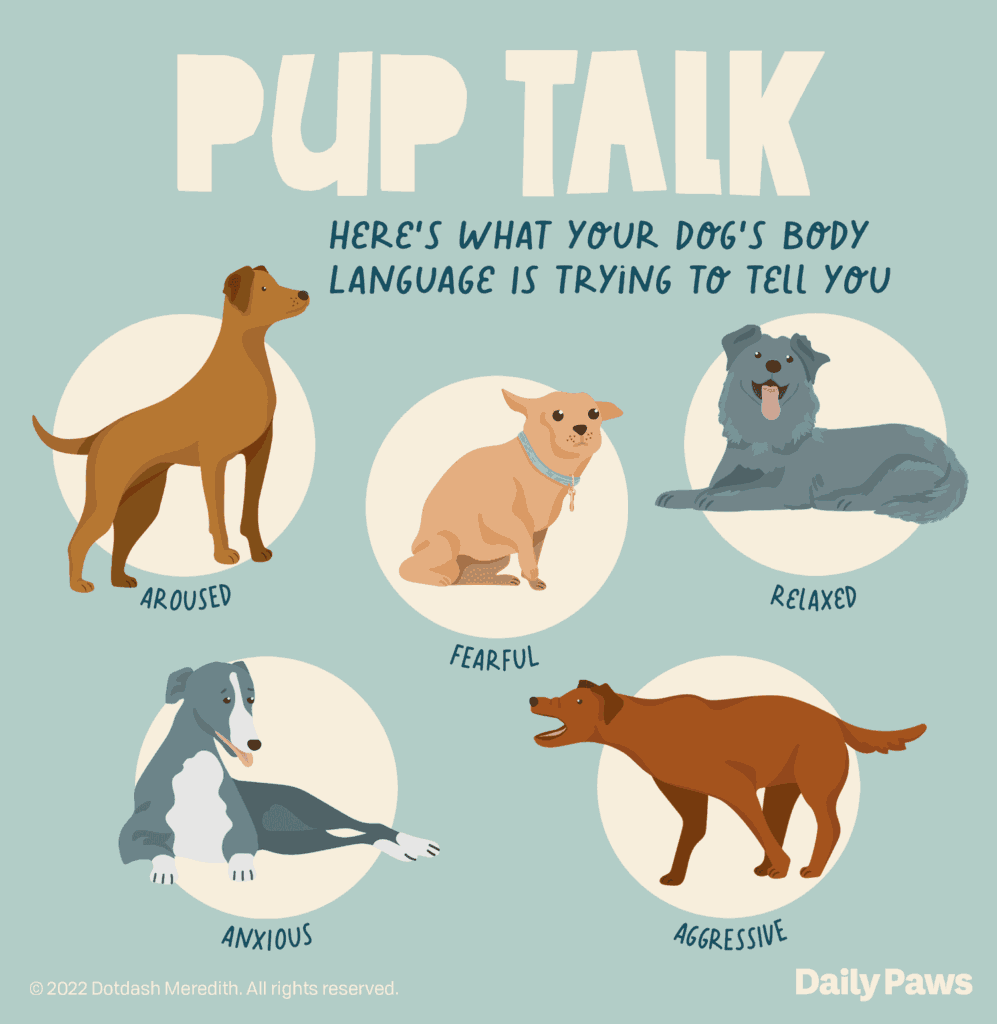
Have you ever wondered what dogs are thinking when they meet each other? Can they have conversations like humans do? While we can’t directly ask a dog how it feels, research has shown that dogs communicate with each other in many ways. In this article, we’ll explore the different methods dogs use to talk to each other and what it reveals about their behavior.
The Science of Dog Communication
Dogs don’t speak like humans do, but they have developed a sophisticated system of communication that allows them to convey emotions, needs, and intentions. This complex language involves various modes of expression, including body language, vocalizations, and even scent marking. By understanding how dogs communicate with each other, we can gain insight into their social dynamics and develop stronger relationships with our canine companions.
How Dogs Communicate with Each Other: The Basics
Dogs don’t have a vocal language like humans do, but they use various non-verbal cues to convey information about themselves and their environment. These cues include body language, vocalizations, and scent marking. In this section, we’ll explore the different ways dogs communicate with each other.
Body Language: The Primary Means of Communication
Dogs use body language to convey emotions, intentions, and needs. This non-verbal language is crucial for establishing social bonds and avoiding conflicts within canine groups. A dominant dog will often display a confident posture, with ears up, tail held high, and a relaxed facial expression. Conversely, a submissive dog will display a more hesitant posture, with ears down, tail tucked between the legs, and a tense facial expression.
The Power of Pheromones
Pheromones are chemical signals that dogs use to communicate with each other. These scent markings can convey information about an individual dog’s reproductive status, dominance hierarchy, and emotional state. Dogs have scent glands located on their faces, near their anus, and on their paw pads. They use these glands to deposit pheromones on surfaces, allowing other dogs to detect them through their highly developed sense of smell.
Vocalizations: A Crucial Form of Communication
Dogs use vocalizations to convey emotions, needs, and intentions. A bark can signal alertness or excitement, while a whine may indicate submission or need. A growl can warn another dog of potential aggression, and a howl can be a form of long-distance communication. Dogs also use body language and scent markings to reinforce their vocalizations, ensuring that their message is conveyed effectively.
Visual Cues: Important for Establishing Social Bonds
Dogs use visual cues to communicate with each other, including direct stares, averted eyes, and tail positions. A direct stare can convey confidence or aggression, while an averted gaze may suggest submission or fear. A wagging tail can indicate excitement or friendliness, while a tucked tail may signal submission or anxiety.
The Importance of Understanding Canine Communication
Understanding how dogs communicate with each other is essential for building strong relationships between humans and dogs. By recognizing the different modes of expression, we can better comprehend our canine companions’ needs, wants, and emotions. This knowledge will help us to create a more harmonious and supportive environment for both humans and dogs.
Real-World Applications: Using Canine Communication to Improve Human-Dog Relationships
By understanding how dogs communicate with each other, we can apply this knowledge to improve human-dog relationships. Here are some real-world applications of canine communication:
- Reading body language: By recognizing a dog’s body language, you can better understand its emotional state and respond accordingly.
- Using vocalizations effectively: Dogs respond well to clear, consistent vocalizations from their human companions.
- Establishing dominance hierarchies: By understanding how dogs establish dominance hierarchies, we can avoid conflicts and create a more harmonious environment.
Conclusion
In conclusion, dogs communicate with each other in complex ways that involve various senses, including smell, sight, sound, and touch. By understanding these different modes of expression, we can gain a deeper appreciation for the intricate social dynamics of canine communication. As we continue to learn more about our furry friends, we’ll become better equipped to provide them with the care, attention, and love they deserve.
Frequently Asked Questions
- How do dogs recognize each other?
Dogs use their sense of smell and visual cues to recognize individual dogs. - What is the most important way dogs communicate with each other?
Body language is the primary means of communication among dogs. - Can dogs hear sounds that are inaudible to humans?
Yes, dogs can detect a wider range of frequencies than humans and may be able to pick up sounds that are beyond our auditory range. - How do dogs use vocalizations to communicate?
Dogs use barks, whines, growls, and howls to convey emotions, needs, and intentions. - What is the most common way dogs communicate with each other?
Body language accounts for a significant portion of canine communication.
Additional Resources
- “The Canine Body Language Guide” by Dr. Sophia Yin
- “The Power of Positive Dog Training” by Pat Miller
- “The Dog Trainer’s Resource Book” by Jan Fennell


