
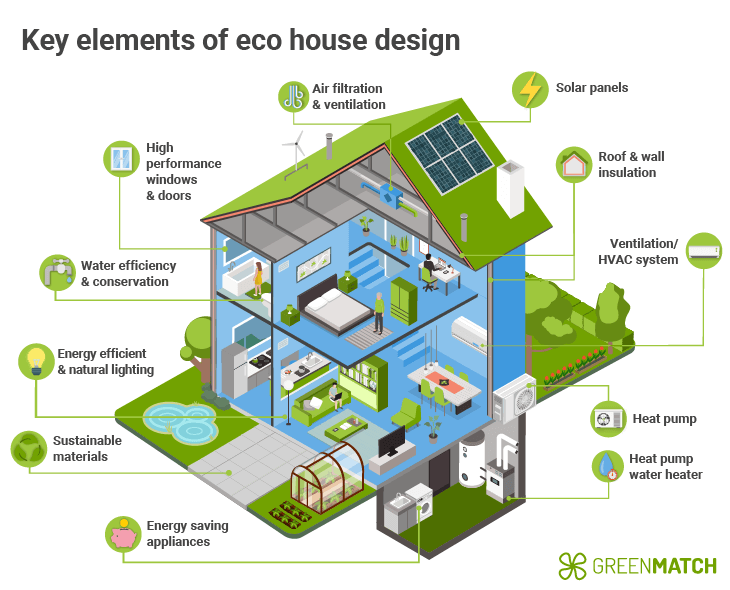
As the world becomes increasingly aware of the impact of human activities on the environment, designing an eco-friendly home has become a pressing concern. Not only can sustainable homes reduce their carbon footprint, but they also promote healthier living conditions for occupants. In this article, we’ll explore the key steps involved in designing an eco-friendly home.
Understanding the Importance of Sustainable Home Design
The importance of sustainable design in building construction cannot be overstated. With millions of people around the world seeking to live in environmentally friendly homes, the demand for eco-friendly housing is skyrocketing. Moreover, governments and regulatory bodies are increasingly implementing policies and regulations that mandate sustainable building practices.
One of the key benefits of sustainable home design is its potential to reduce greenhouse gas emissions. According to a study by the National Renewable Energy Laboratory (NREL), residential buildings account for about 20% of total U.S. energy consumption, which translates to an estimated 1.2 billion metric tons of carbon dioxide equivalent emissions annually. By incorporating eco-friendly building materials and design principles, homeowners can significantly reduce their carbon footprint.
Another critical aspect of sustainable home design is its impact on indoor air quality. Traditional homes are often plagued by poor ventilation, leading to the buildup of pollutants like radon, particulate matter, and volatile organic compounds (VOCs). Eco-friendly home design incorporates materials and systems that promote healthy indoor air quality, such as natural insulation, low-VOC paints, and advanced ventilation systems.
Step 1: Conducting a Feasibility Study
Before starting any design project, it’s essential to conduct a feasibility study to determine whether your chosen location is suitable for an eco-friendly home. This involves researching factors such as:
- Solar irradiance: Assessing the amount of sunlight available in your area and how it can be harnessed to generate electricity.
- Precipitation patterns: Understanding local precipitation patterns and how they affect water consumption and quality.
- Energy consumption requirements: Determining your energy needs based on factors like climate, lifestyle, and occupant habits.
- Thermal energy needs: Evaluating the thermal energy requirements of your home, including heating and cooling needs.
Step 2: Selecting Eco-Friendly Building Materials
The materials used in building construction can significantly impact the environmental sustainability of a home. Some eco-friendly alternatives to traditional materials include:
- Natural insulation: Using materials like wool, recycled denim, or fiberglass instead of synthetic insulation.
- Low-carbon concrete: Replacing traditional cement with low-carbon concrete made from supplementary cementitious materials (SCMs).
- Bamboo and sustainable wood: Choosing wood products that are certified by organizations such as the Forest Stewardship Council (FSC).
Step 3: Regulating Indoor Climate
A well-designed home should maintain a stable indoor climate. This can be achieved through:
- Natural ventilation: Using windows, vents, and passive design techniques to regulate temperature and humidity.
- Smart building materials: Selecting materials that are responsive to environmental conditions, such as self-healing coatings or phase-change materials.
Step 4: Energy-Efficient Systems
Eco-friendly homes often rely on energy-efficient systems, including:
- Passive solar design: Designing homes that harness natural sunlight and heat.
- Renewable energy sources: Incorporating solar panels, wind turbines, or geothermal systems to generate electricity.
- Heat recovery ventilation: Using heat exchangers to recover waste heat from exhaust air and reuse it for heating.
Step 5: Water Conservation
Eco-friendly homes prioritize water conservation through:
- Rainwater harvesting: Collecting and storing rainwater for non-potable uses, such as flushing toilets or irrigation.
- Low-flow fixtures: Installing low-flow showerheads, toilets, and faucets to reduce water consumption.
Step 6: Location and Site Selection
The location of an eco-friendly home can significantly impact its environmental sustainability. Considerations include:
- Proximity to natural resources: Choosing a site with access to renewable energy sources, such as wind or solar power.
- Biodiversity preservation: Selecting a site that preserves local ecosystems and habitats.
Conclusion: Creating a Sustainable Home for the Future
Designing an eco-friendly home requires careful consideration of various factors, including building materials, energy systems, water conservation, and location. By following these steps and incorporating sustainable design principles, homeowners can create a healthy, environmentally friendly living space that minimizes its impact on the planet.
Frequently Asked Questions (FAQs)
- What is the most important aspect of designing an eco-friendly home?
While all aspects are crucial, energy efficiency often takes priority due to its significant environmental impact. - Can I afford to design an eco-friendly home?
Yes, with careful planning and budgeting, eco-friendly homes can be affordable and cost-effective in the long run. - How can I ensure my home is well-insulated?
Using natural insulation materials like wool or recycled denim, and ensuring proper installation of building envelopes can help minimize heat loss. - What are some popular eco-friendly building materials?
Bamboo, sustainable wood, low-carbon concrete, and recycled materials are just a few examples of eco-friendly alternatives to traditional building materials. - Can I design an eco-friendly home without breaking the bank?
With careful planning and creativity, it’s possible to create an eco-friendly home on a budget by prioritizing energy efficiency and using affordable sustainable materials.
Additional Tips for Designing an Eco-Friendly Home
- Consider the whole lifecycle: When designing an eco-friendly home, consider the entire lifecycle of the building, from construction to deconstruction.
- Incorporate green roofs: Green roofs can provide insulation, reduce stormwater runoff, and create habitats for local wildlife.
- Use sustainable materials in furniture: Choose furniture made from sustainable materials like reclaimed wood or recycled plastics.
- Implement a maintenance routine: Regularly inspect and maintain your home’s systems to ensure they remain energy-efficient and functional.
- Educate yourself on building codes: Familiarize yourself with local building codes and regulations to ensure you’re designing an eco-friendly home that meets all necessary standards.
By following these steps, incorporating sustainable design principles, and staying informed about the latest developments in eco-friendly building practices, homeowners can create a healthy, environmentally friendly living space that benefits both them and the planet.


