
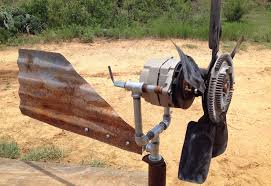
As we often discuss the concept of wind turbines, it’s time to dive deeper into the technical aspects of this innovation. By exploring the intricate details of a wind turbine, we’ll gain insight into the long-standing process of research and development that goes into creating cutting-edge technology.
What is a Wind Turbine?
A wind turbine consists of all the necessary components for converting mechanical to electrical energy. The blades, generator, and electric converter are the three primary components of a wind turbine. Among these components, the generator plays a crucial role in generating electricity.
The generator’s output feeds into a subsystem consisting of the converter, which regulates the electrical power transferred. This power is then transmitted to the grid. Some key electrical components used in this process include transformers, condensators, inductors, and power electronics, as well as cables and bus bars.
Designing Wind Turbines: A Challenging Task
Engineers designing wind turbines face a significant challenge: accurately specifying the individual components from various manufacturers and connecting them into an efficient system. This is particularly difficult without the use of simulation software.
Determining the performance of a complex, heterogeneous system like a wind turbine, which requires high-performance requirements for the electrical system, is nearly impossible using traditional methods.
A Reference Point for Wind Turbine Design
For designing all sections of a wind turbine and achieving an overall efficient and optimized system, a reliable reference point is essential. The ANSYS Simplorer software serves as a prime example of this technology.
With ANSYS Simplorer, engineers can construct complex systems entirely using analytical models. Utilizing detailed finite element methods (FEM) and other simulation tools enables users to analyze, optimize, and integrate all components of the system end-to-end.
Key Components of Wind Turbine Design
Among these components are:
- Power conversion: The process of converting mechanical energy into electrical energy
- Generator design: Determining the optimal configuration for the generator’s magnetic circuit
- Tower design: Ensuring structural integrity and stability while minimizing weight
Simulation Tools in Wind Turbine Design
The use of simulation tools can be beneficial in testing critical conditions, such as:
- Short circuits: Potential hazards near or at a specific distance from the generator
- Thermal loads: Calculating the heat generated by electrical currents
- Electrical protection: Designing networks to prevent electrical discharges
By leveraging simulation tools, engineers can create more efficient and reliable wind turbines that minimize environmental impact while maximizing energy production.
Types of Wind Turbines
There are several types of wind turbines available in the market today. Some common ones include:
- Horizontal Axis Wind Turbines (HAWT): The most common type of wind turbine, which uses a horizontal axis to rotate.
- Vertical Axis Wind Turbines (VAWT): Also known as Darrieus turbines, these use a vertical axis to rotate and are often used for residential applications.
- Sail Wind Turbine: A type of wind turbine that uses a sail-like design to capture wind energy.
Benefits of Wind Turbines
Wind turbines offer several benefits, including:
- Renewable Energy Source: Wind turbines use renewable energy from the wind, reducing reliance on fossil fuels.
- Low Operating Costs: Once installed, wind turbines have low operating costs, making them a cost-effective option for generating electricity.
- Environmental Benefits: Wind turbines produce no emissions or pollution, making them an environmentally friendly option.
Challenges in Wind Turbine Design
Despite the benefits of wind turbines, there are several challenges associated with their design. Some common ones include:
- Intermittency: Wind turbines generate electricity only when the wind is blowing, which can make it difficult to maintain a consistent energy supply.
- Noise Pollution: Wind turbines can produce noise pollution, which can be a concern for nearby residents.
- Visual Impact: Wind turbines can have a visual impact on the surrounding landscape, which can be a concern for some communities.
Conclusion
Wind turbine design is a complex process that requires precise calculations and simulations. By utilizing cutting-edge technologies like ANSYS Simplorer, engineers can build more efficient systems that produce clean energy while minimizing environmental impact. As we continue to innovate and push the boundaries of renewable energy, it’s essential to prioritize research and development in this field.
Frequently Asked Questions
- How do wind turbines work?
- Wind turbines convert mechanical energy from wind into electrical energy using a generator.
- What is the role of the generator in a wind turbine?
- The generator creates electricity, which is then transmitted to the grid through a subsystem consisting of the converter and electrical components.
- Can simulation software help with wind turbine design?
- Yes, simulation tools can be used to analyze, optimize, and integrate all components of the system end-to-end, ensuring structural integrity and stability while minimizing weight.
- What are some key challenges in designing wind turbines?
- Determining the performance of a complex, heterogeneous system like a wind turbine requires high-performance requirements for the electrical system, which is nearly impossible using traditional methods.
- How can simulation tools be used to test critical conditions in wind turbine design?
- Simulation tools can be used to test conditions such as short circuits, thermal loads, and electrical protection, allowing engineers to create more efficient systems that minimize environmental impact while maximizing energy production.


