
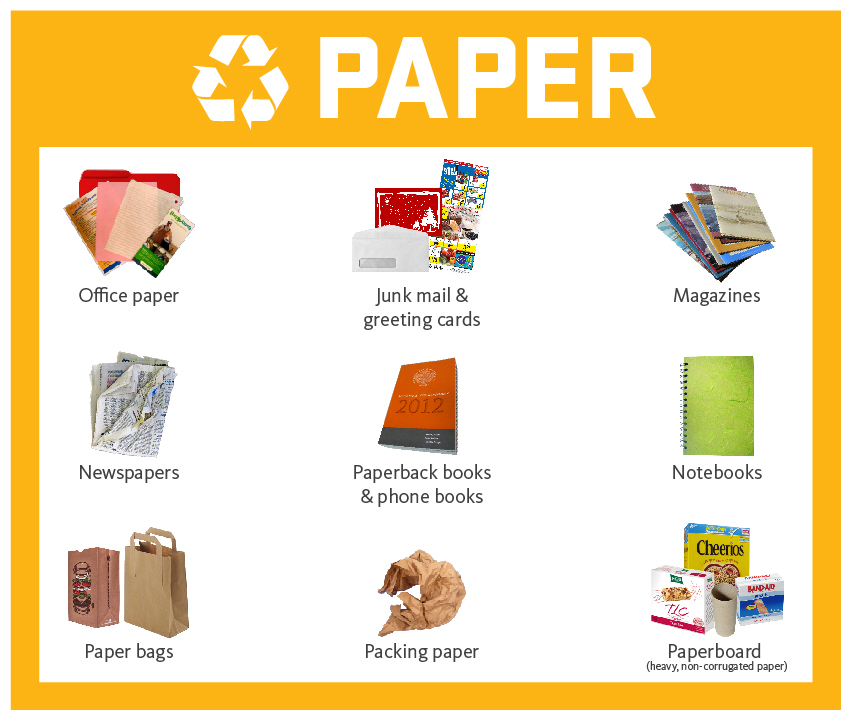
As we navigate the challenges of living sustainably, recycling paper has become an essential practice. Not only does it help reduce waste, but it also conserves natural resources and decreases greenhouse gas emissions. In this article, we’ll explore a unique method for upcycling paper at home using everyday materials.
The Necessary Materials
Before you start, gather the following materials:
- Collants: A pair of old women’s stockings will serve as your screen.
- Metallic wire: A metal wire will help create a frame for your screen. If you don’t have metallic wire, you can use simple iron filaments.
- Blender: This tool is used to further shred the paper.
- Old newspapers: These are an easy material to recycle.
- Vinyl glue: This will be used to bring the new recycled paper to life.
- Scissors: You’ll need scissors for shredding and cutting any excess nylon.
- Water: Water is used to moisten the paper. Be careful not to add too much, as it can become too wet.
- Bucket or container: This will be used to hold the recycled paper.
The Upcycling Process
Follow these steps:
- Create your screen:
- Use the metal wire (or iron filaments) to create a square frame for your screen. Insert the frame into one of the stocking legs, fix the edges of the leg, and cut off any excess nylon.
- Shred newspaper pages:
- Tear the newspaper pages into small pieces or use scissors to shred them.
- Blend:
- Put the shredded paper into a container and add enough water to moisten it completely. Be careful not to add too much, as it can become too wet. Use a blender (or immersion blender) to blend until you get a grayish-brown mixture.
- Mix glue:
- In a large bucket or container, measure about one tenth of the bottom height and fill it with water. Add a tablespoon of vinyl glue to this mixture and stir well.
- Combine paper and glue:
- Add the blended paper mixture to the water-glue mixture and mix thoroughly.
- Use your screen:
- Dip your screen into the bucket, then gently pull it out, allowing the pulp to settle on the screen. Rinse the screen with clean water and remove any excess pulp.
- Dry:
- Allow the paper to dry naturally in an open area with moderate ventilation. You can also use a dryer if needed.
Benefits of Upcycling Paper
Upcycling paper is not only environmentally friendly, but it also offers several benefits:
- Reduces Waste: By upcycling old newspapers and turning them into new paper, you’re reducing the amount of waste that ends up in landfills.
- Conserves Resources: Recycling paper helps conserve natural resources such as wood pulp, water, and energy.
- Decreases Emissions: The production of new paper requires significant amounts of energy and causes greenhouse gas emissions. By recycling paper, you’re reducing the need for these resources and decreasing your carbon footprint.
Creative Ideas for Upcycled Paper
Once you’ve created your recycled paper, the possibilities are endless:
- Card Making: Use your upcycled paper to create handmade cards for special occasions.
- Journaling: Write down your thoughts, dreams, and goals in a journal made from recycled paper.
- Art Projects: Experiment with different art techniques, such as painting or drawing, using your upcycled paper as the canvas.
Common Challenges and Solutions
While upcycling paper is generally a straightforward process, there are some common challenges to watch out for:
- Excess Moisture: If the paper becomes too wet, it can be difficult to work with. To avoid this, make sure to add just enough water to moisten the paper.
- Pulp Separation: If the pulp separates from the screen while drying, don’t worry! Simply rinse the screen and try again.
Conclusion
Upcycling paper at home is an easy way to reduce waste, conserve resources, and decrease emissions. By following these steps and using everyday materials, you’ll be creating your own recycled paper in no time. Not only will this help protect the environment, but it will also give you a sense of accomplishment and pride in your creative endeavors.



