
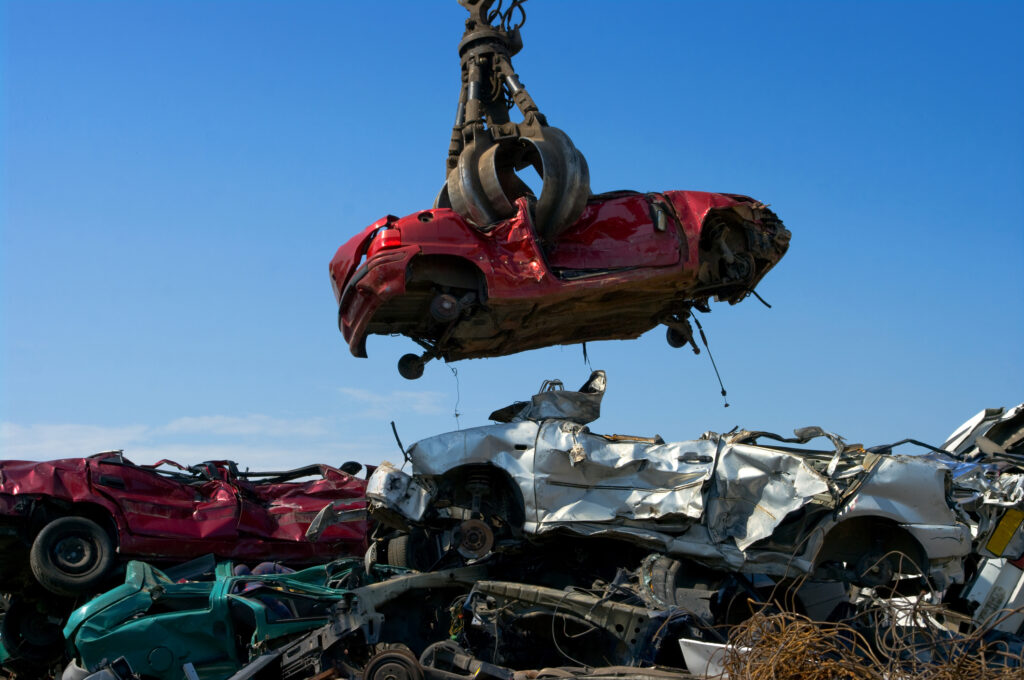
When it comes to buying a new car and deciding to get rid of your old one, many questions arise about how auto recycling works, what documents are needed, and what the law says about it. Unlike what you might think, auto recycling is a relatively simple process that doesn’t have to be expensive.
In order to decide whether to recycle or sell your old vehicle, there are two main scenarios:
- If you want to buy a new car immediately, then simply take your old one to the dealership and they will handle the rest.
- If you don’t plan on buying another vehicle at this point in time, you must take it to an approved recycling center and file the application for its demolition.
What is Auto Recycling?
Auto recycling involves dismantling or scrapping a car completely, making sure that no one can use it anymore. In order to recycle your old auto, you need to surrender both front license plates, registration documents, and ownership papers as well as getting an ACI clearance certificate that confirms there are no outstanding administrative fines left on the vehicle.
Why Recycle a Car?
There are several reasons why recycling cars is so beneficial:
- Recycling helps eliminate hazardous materials from landfills and ensures safer waste disposal practices.
- It also gives the chance for car parts to be reused, adding new life to the old vehicles. This makes it possible to recover resources, reduce energy consumption, and preserve natural resources.
Cost of Auto Recycling
Recycling an auto is a free service provided by government agencies; however, there are certain costs associated with getting everything sorted out legally:
- The ACI (Automobile Club d’Italia) charge you €13.00 for their official certification.
- Additionally, if your old vehicle has any outstanding administrative issues, then you will have to pay an additional fee of €32 or €48.
Who Can Help You with Auto Recycling?
There are several specialized centers that handle auto recycling and offer hassle-free services:
1. **Roma Car 2020**: This is a company that provides free auto recycling services across Italy, taking care of every logistical step without putting you in charge.
2. **Certified and authorized centers: **Look for companies with certifications like ISO 9001. These centers can pick up your vehicle from home or the location where it will be recycled.
Benefits of Recycling Cars
Recycling cars helps reduce the amount of waste that ends up in landfills, while also conserving natural resources:
- Reduces landfill waste: By recycling cars, we can reduce the amount of waste sent to landfills and help minimize pollution caused by waste decomposition.
- Conserves raw materials: Recycling cars helps conserve raw materials like steel, aluminum, and copper that are used in vehicle production.
- Saves energy: Recycling cars reduces the need for new manufacturing processes, which saves energy and helps reduce greenhouse gas emissions.
What to Expect During the Auto Recycling Process
The auto recycling process typically involves several steps:
- Removal of personal belongings: Before the car is taken away, make sure to remove any personal belongings or items from inside the vehicle.
- Inspection and documentation: The recycling center will inspect your vehicle and document its condition before dismantling it.
- Dismantling process: The recycling center will then dismantle the vehicle into individual components like engines, transmissions, and body parts.
- Separation of materials: Once the vehicle is dismantled, the recycling center will separate the different materials like steel, aluminum, and copper for further processing.
How to Prepare Your Vehicle for Auto Recycling
Here are some tips to help you prepare your vehicle for auto recycling:
- Remove personal belongings: Before taking your car to the recycling center, make sure to remove any personal belongings or items from inside the vehicle.
- Clear the interior: Clean and clear the interior of your vehicle to ensure a smooth dismantling process.
- Provide documentation: Make sure to provide all necessary documents like registration papers, ownership papers, and ACI clearance certificates.
- Check for hazardous materials: If your vehicle contains any hazardous materials like batteries or fuel cells, make sure to inform the recycling center beforehand.
What Happens to Your Vehicle After Recycling
Once your vehicle is recycled, there are several possible outcomes:
- Baled and sold: The recycled car parts can be sold to manufacturers or suppliers who use them in new vehicles.
- Processed into raw materials: The recycled materials can be processed into raw materials like steel, aluminum, and copper for further manufacturing.
- Used for energy recovery: In some cases, the recycled materials can be used as fuel sources or feedstock for energy production.
Auto Recycling Laws and Regulations
There are several laws and regulations that govern auto recycling in Italy:
- ACI rules: The Automobile Club d’Italia (ACI) sets guidelines for car recycling in Italy, including requirements for documentation and certification.
- Environmental laws: Italian environmental laws regulate the handling of hazardous materials and waste disposal practices during the auto recycling process.
- Health and safety regulations: Health and safety regulations ensure that workers handling recycled materials are protected from potential hazards.
Conclusion
Auto recycling is a simple and cost-effective way to dispose of your old vehicle while also conserving natural resources and reducing landfill waste. By understanding the auto recycling process, benefits, and laws, you can make an informed decision about what happens to your vehicle after it’s no longer needed.


