
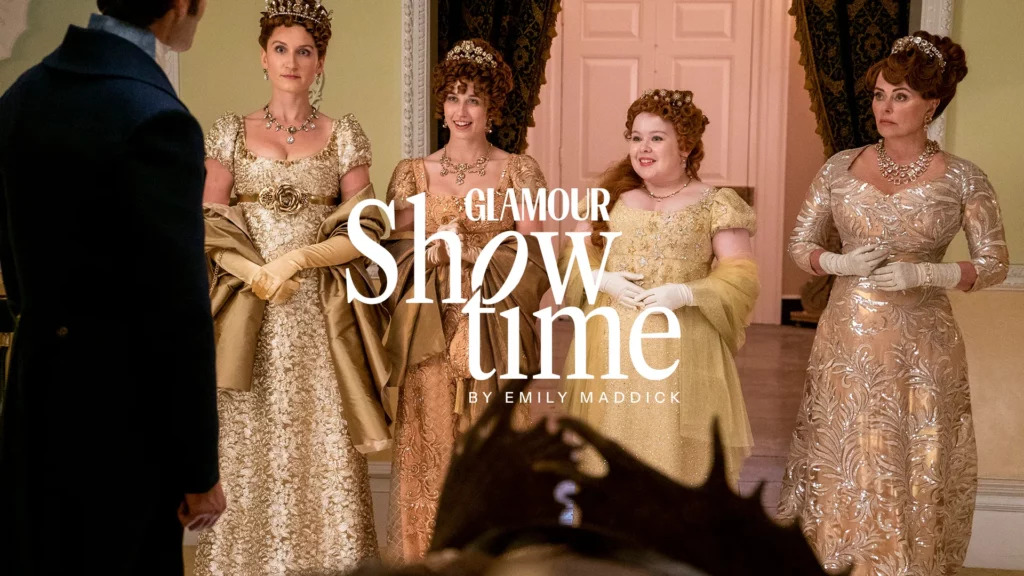
The world of period dramas has long been synonymous with elaborate costumes, grand estates, and intricate social etiquette. Traditionally dominated by a limited vision of history, these narratives often center on a white, Eurocentric viewpoint, leaving many stories untold and voices unheard. However, “Bridgerton,” the popular Netflix series based on Julia Quinn’s novels, has shaken up the genre, boldly challenging conventional historical drama tropes with its diverse cast and inclusive storytelling. This article explores how “Bridgerton” not only redefines what a historical drama can be but also paves the way for a more inclusive representation in media.
Breaking the Mold: The Significance of Diversity
Historical dramas have traditionally focused on the upper echelons of society, where characters are often exclusively white, affluent, and aristocratic. These portrayals contribute to a narrow understanding of history and exclude the rich, complex narratives of diverse cultures. “Bridgerton” disrupts this pattern by integrating a diverse ensemble of characters. The show is set in a reimagined version of Regency-era England, where people of color occupy positions of power and influence within society, presenting a world far removed from historic realities yet resonant and refreshing.
This choice is significant not just for its aesthetic or narrative value but also for what it represents socially. By casting actors of various ethnic backgrounds in leading roles, “Bridgerton” encourages re-examination of historical narratives and challenges audiences to confront the notion that history should be inclusive and multifaceted. For viewers who have often felt marginalized or misrepresented in period dramas, “Bridgerton” provides an opportunity for identification and connection.
A New Lens on Romance
“Bridgerton” masterfully intertwines romance with social issues, offering a multi-dimensional representation of love that transcends societal norms. This is evident in the relationship between Daphne Bridgerton and Simon Basset, which is not just a love story but also a commentary on issues like consent, communication, and personal autonomy. By focusing on characters’ emotional journeys, the series pushes against the trope of the passive female lead, giving female characters agency and depth.
Moreover, the chemistry between characters of diverse backgrounds introduces unique relationship dynamics and cultural dialogues. For example, Lady Danbury, played by Adjoa Andoh, brings the gravitas and wisdom of her character to the forefront, challenging stereotypes associated with elder women in both period pieces and contemporary narratives. This broadens the scope of representation and allows for more authentic connections and interactions between characters.
Exploring Class and Social Hierarchy
In traditional historical dramas, class distinctions are often rigid and unyielding. “Bridgerton,” however, plays with social hierarchies in a way that cleverly mirrors contemporary issues of class and privilege. The show’s depiction of the Bridgerton family—wealthy yet grounded—challenges the conventional portrayal of the nobility as solely elite and detached from the concerns of the lower classes.
Interestingly, the series reveals how these social stratifications impact individual decisions and relationships. For instance, characters must navigate their ambitions while adhering to societal expectations, highlighting the internal and external conflicts that arise from their class standings. By weaving in themes of ambition, love, and loyalty, “Bridgerton” elevates the drama, pushing beyond mere portrayals of wealth and aesthetics.
Fashion as a Means of Expression
One of the many visual joys of “Bridgerton” is its lush costume design. While traditional period dramas often feature muted palettes and historically accurate attire, “Bridgerton” embraces a vibrant color scheme and modern styles, creating a visual feast. The costumes are not just about aesthetics; they serve as a narrative device that enhances character development and expresses individuality within the strict confines of Regency fashion.
The diverse cast brings unique fashion styles that reflect their character’s backgrounds, aspirations, and personalities. For example, Simone Ashley’s character, Kate Sharma, showcases a mix of traditional and contemporary elements in her attire, embodying her fierce spirit and unique cultural background. This transformative approach to costume allows the show to comment on broader cultural shifts while making each character memorable and distinct.
[amazon box=”B08XLLF3PG”]
The Role of Music: A Modern Twist
Another standout feature of “Bridgerton” is its anachronistic soundtrack, which includes contemporary pop songs reimagined in a classical style. This innovative musical approach not only captures the attention of younger audiences but also bridges the gap between past and present. The use of songs by artists like Billie Eilish and Duke Ellington gives viewers a sense of familiarity and relatability, making historical moments feel fresh and relevant.
The music in “Bridgerton” serves as a powerful storytelling tool. It enriches the emotional landscape, accentuating pivotal moments and enhancing character arcs. By juxtaposing past and present through music, the series invites viewers to reconsider historical romances and societal interactions, blending the charm of old-world elegance with modern sensibilities.
Authenticity and Representation Behind the Scenes
While the on-screen diversity of “Bridgerton” is noteworthy, it’s essential to also acknowledge the efforts behind the camera. The involvement of diverse writers, directors, and producers is crucial in crafting authentic narratives that resonate with various audiences. The show’s creator, Shondaland’s Shonda Rhimes, brings her signature approach to storytelling, focusing on character-driven plots and complex relationships that challenge stereotypes.
This emphasis on authentic representation extends to its production team and casting choices. By hiring a diverse group of professionals, “Bridgerton” ensures that the characters’ stories are portrayed with depth and nuance, moving beyond tokenism. This commitment to diversity in representation is an essential step in reshaping the landscape of historical dramas.
Community and Impact
Beyond its screen time, “Bridgerton” has ignited conversations surrounding representation in media, leading to greater public awareness and dialogue about diversity in storytelling. The show’s success has prompted other production companies to consider varied narratives that draw on the rich tapestry of historical events and figures, illustrating that there is a demand for stories that reflect the true diversity of human experience.
Furthermore, “Bridgerton” serves as a reminder that history is not one-dimensional but a multifaceted tapestry woven with the threads of culture, identity, and community. By portraying these aspects through a contemporary lens, the series opens up new avenues for storytelling that can resonate across generations and cultures.
Audience Reception: A Mixed Bag
While “Bridgerton” has garnered significant praise for its diverse casting and innovative storytelling, it has not been without its detractors. Some purists argue that the reimagining of historical contexts undermines the authentic portrayal of the times depicted. Critics claim that introducing diversity into Regency England is historically inaccurate and risks oversimplifying complex social issues.
However, it’s essential to recognize that “Bridgerton” operates in a realm of reimagined history, where the overarching narrative serves as a commentary on contemporary social dynamics rather than a strict adherence to the past. For many viewers, the importance of representation and inclusivity outweighs traditional accuracy, highlighting a critical shift in audience expectations and cultural consumption.
Conclusion: The Future of Historical Dramas
As “Bridgerton” continues to break barriers, it paves the way for a new era of historical dramas that embrace diversity, challenge stereotypes, and create inclusive narratives. The blending of rich stories with diverse characters not only makes for compelling television but also nurtures a more nuanced understanding of history.
In a world that increasingly values representation, “Bridgerton” sets a powerful example for future productions. It demonstrates that there is room for all voices in narrative spaces, encouraging creators to explore untold stories and perspectives. By embracing this diversity, authors, screenwriters, and producers can craft narratives that resonate deeply with audiences, enriching the fabric of storytelling for generations to come.
As we look forward to upcoming seasons of “Bridgerton” and similar projects, it’s exciting to imagine a world where history is not confined to one narrow path but instead is a vast landscape of experiences, emotions, and voices waiting to be heard. Ultimately, “Bridgerton” challenges us all to reconsider how we view both history and the narratives we choose to elevate in the media we consume.


