
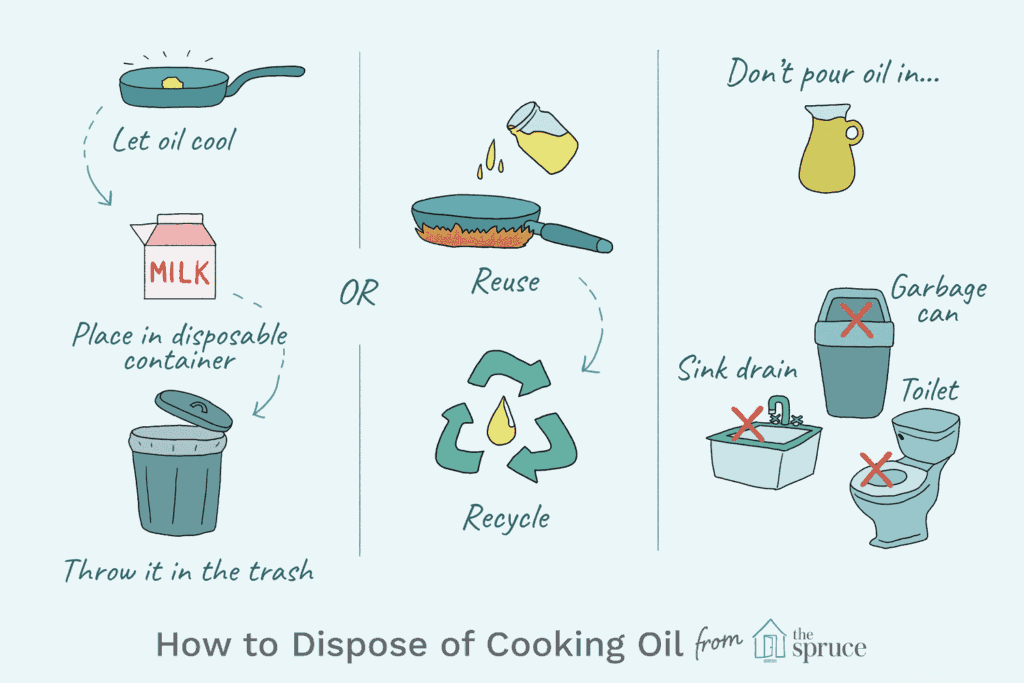
Used cooking oil is one of the most commonly generated waste materials in households and commercial establishments worldwide. However, if not disposed of properly, it can cause significant damage to the environment. In this article, we will explore the importance of disposing of used cooking oil correctly and provide guidelines on how to do it.
Why Dispose of Used Cooking Oil Properly?
The used cooking oil, if not disposed of properly can cause significant damage to the environment. For example, just one liter of used oil can contaminate a million liters of water! This is because used cooking oil contains a high percentage of pollutants such as heavy metals, polycyclic aromatic hydrocarbons (PAHs), and pesticides.
Moreover, improper disposal of used cooking oil can also harm agriculture. The oil dispersed underground creates a thin film that acts as an impermeable barrier, preventing plant roots from absorbing nutrients. This can lead to reduced crop yields and decreased soil fertility.
The Consequences of Poor Disposal
Poor disposal of used cooking oil can have severe consequences on the environment. Some of the most significant effects include:
- Water Pollution: Used cooking oil can contaminate water sources, making them undrinkable for humans and animals.
- Soil Pollution: The oil dispersed underground can pollute soil, affecting plant growth and crop yields.
- Air Pollution: Burning used cooking oil can release toxic fumes into the air, contributing to air pollution.
The Importance of Proper Disposal
Proper disposal of used cooking oil is essential for maintaining a healthy environment. By disposing of it correctly, we can prevent water and soil pollution, reduce greenhouse gas emissions, and protect agriculture.
How to Dispose of Used Cooking Oil
The proper disposal of used cooking oil involves two phases: collection and delivery. The oil must be stored in designated containers before being delivered to a collection center or an authorized company.
In large cities like Naples and Rome, mobile collection centers or neighborhood ecological stations are often set up to collect and dispose of used cooking oil. This service is free: companies specializing in eco-friendly recycling make their profits by reprocessing materials for use as a fuel source.
Additional Tips
- Store it in Bottles: Store your used cooking oil in bottles, such as old detergent bottles or specialized containers.
- Check with Local Authorities: Check with local authorities to see if they have any guidelines for disposing of used cooking oil.
- Call Ahead: Call ahead to confirm that the restaurant accepts used cooking oil before dropping off a bottle.
Frequently Asked Questions:
1. What happens if I don’t dispose of used cooking oil properly?
If not disposed of correctly, it can pollute the environment and harm agriculture, as well as contaminate water sources.
2. Can I collect my own used cooking oil?
While you cannot collect your own used cooking oil, you should check with local authorities to see if they have any guidelines for such actions.
3. Do all restaurants take used cooking oil?
Not all restaurants may accept used cooking oil from the public. It’s always a good idea to call ahead and confirm their policies before dropping off a bottle.
4. Can I use my old detergent bottles to store used cooking oil?
Yes, you can reuse old detergent bottles for storing your used cooking oil.
How to Recycle Vegetable Oil
Another related article you might find interesting is How to Recycle Vegetable Oil. In this article, we will explore the benefits of recycling vegetable oil and provide guidelines on how to do it.
Benefits of Recycling Vegetable Oil
Recycling vegetable oil can have several benefits, including:
- Reduced Waste: Recycling vegetable oil reduces waste and helps to conserve natural resources.
- Energy Savings: Recycled vegetable oil can be used as a fuel source, reducing the need for fossil fuels.
- Environmental Benefits: Recycling vegetable oil helps to reduce greenhouse gas emissions and protect the environment.
How to Recycle Vegetable Oil
To recycle vegetable oil, you can follow these steps:
- Collect Used Cooking Oil: Collect your used cooking oil in a designated container or bottle.
- Store it Properly: Store the used cooking oil properly, following local guidelines for disposal.
- Take it to a Collection Center: Take the used cooking oil to a collection center or authorized company.
By recycling vegetable oil, we can reduce waste, conserve natural resources, and protect the environment.


