
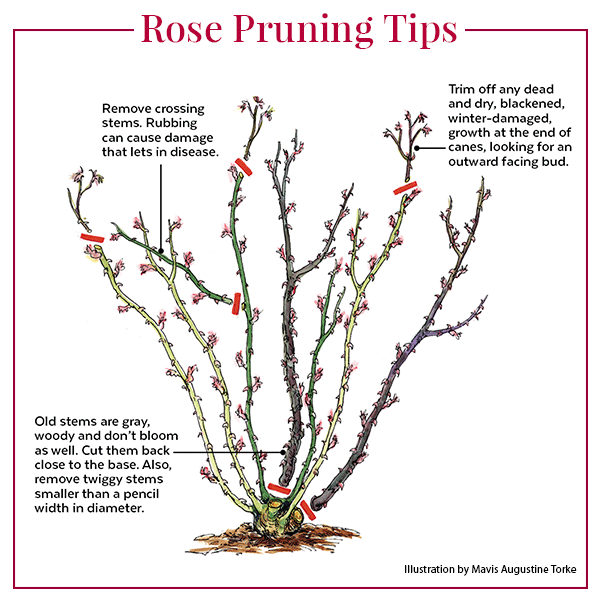
As the old adage goes, “a well-maintained rose is a happy rose.” But what does that mean in terms of pruning? How often should you trim your roses, and when is the best time to do it? In this comprehensive guide, we’ll delve into the world of rose pruning, covering everything from when to prune to how to choose the right tools for the job.
The Purpose of Pruning Roses
Pruning roses serves two primary purposes: to stimulate flowering and to maintain a balanced, healthy shape. By regularly trimming your roses, you can encourage bushy growth, promote vibrant blooms, and keep your plants looking their best. Pruning also helps to:
- Remove dead or damaged branches
- Promote new growth and prevent disease
- Control the size and shape of the plant
- Improve air circulation and reduce humidity
When to Prune Roses
The timing of pruning varies depending on the region and climate. In general, it’s recommended to prune roses:
- In the center-south of Italy, between late November and January
- In the north-center of Italy, between mid-February and March
However, this can vary depending on weather conditions. For example, in areas with mild winters, pruning may be unnecessary until spring.
In temperate climates, it’s generally recommended to prune roses:
- Late winter or early spring (January to February), after the threat of frost has passed
- After flowering, when the plant is at its strongest and most resilient
Treating Pruned Roses: A Protective Coating
After pruning, it’s essential to protect your roses from damage caused by extreme weather conditions. Applying a protective coating to the cut ends of your pruned branches can help prevent:
- Frost damage
- Fungal infections
- Winter kill
One effective product for this purpose is mastice per innesti (wood dressing). This natural, non-toxic substance can be applied to the cut ends of your pruned branches to protect them from environmental stressors.
Pruning Techniques
Different types of roses require varying pruning techniques. Here’s a brief overview:
- Botanical Roses: Prune only for shaping and removing dead or damaged wood. These roses are often grown as ornamental plants, and pruning is limited to maintaining shape and promoting healthy growth.
- Tea Roses: Prune by cutting back about two-thirds of the old growth in late winter or early spring, allowing the plant to produce new flowers in the summer. Tea roses are known for their vibrant blooms and vigorous growth, making them well-suited for pruning.
- Floribundas and Park Roses: Prune lightly in late winter or early spring, removing any weak or dead growth. These types of roses are often grown as perennials, and pruning helps to promote healthy growth and encourage blooming.
When pruning roses, it’s essential to focus on promoting healthy growth. Here are some key considerations:
- Remove any dead or damaged branches
- Thin out overcrowded areas to promote air circulation and sunlight penetration
- Prune only what is necessary to maintain shape and encourage blooming
The Best Tools for the Job
When choosing pruning tools, consider the type of rose you’re working with. Here are some tips:
- Use high-quality, sharp pruners or loppers to prevent tearing the wood
- Consider investing in a pair of gloves to protect your hands from thorns and sap
- For heavy-duty pruning tasks, use long-handled loppers or pole saws
Some popular types of pruning tools include:
- Pruning shears: Ideal for trimming smaller branches and stems
- Loppers: Useful for cutting thicker branches and stems
- Pole saws: Great for reaching high branches and cutting large limbs
- Garden clippers: Suitable for trimming smaller shrubs and hedges
Frequently Asked Questions
Here are some answers to common questions about pruning roses:
- Q: How often should I prune my roses?
A: Prune your roses every year in late winter or early spring, depending on the variety and growing conditions. - Q: What is the best time of day for pruning roses?
A: The best time to prune roses is during the cooler part of the day, such as early morning or late afternoon, when the plant is less stressed. - Q: Can I use a chainsaw to prune my roses?
A: No, it’s not recommended to use a chainsaw for pruning roses. Chainsaws can damage the wood and cause unnecessary stress to the plant. - Q: How do I prevent fungal infections after pruning?
A: To prevent fungal infections, apply a protective coating to the cut ends of your pruned branches and ensure good air circulation around the plant.
Pruning Roses in Different Climatic Conditions
Pruning roses can be challenging in areas with extreme weather conditions. Here are some tips for pruning roses in different climatic conditions:
- Drought-prone regions: Prune roses during the cooler part of the day, when the sun is not intense. This helps to reduce water loss and prevent scorching.
- Windy regions: Prune roses in a sheltered location, protecting them from direct wind and debris.
- Areas with heavy frost: Prune roses after the threat of frost has passed, taking care to protect the cut ends of the branches.
Pruning Roses for Maximum Blooms
To encourage maximum blooms on your roses, follow these tips:
- Deadhead regularly: Remove spent flowers to promote new growth and encourage blooming.
- Provide adequate sunlight and water: Make sure your rose receives at least 6 hours of direct sunlight per day and adequate water.
- Fertilize regularly: Feed your rose with a balanced fertilizer in the spring, following the manufacturer’s instructions.
By following these guidelines and tips, you’ll be well on your way to becoming a pro at pruning roses. Remember to always prioritize healthy growth, protection from environmental stressors, and proper tool maintenance. Happy pruning!


