
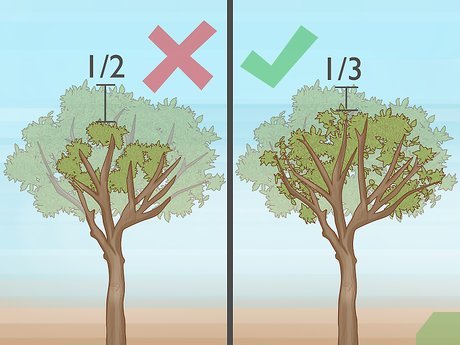
Understanding the Importance of Pruning
Pruning citrus trees is an essential aspect of maintaining their health, promoting fruit production, and enhancing their aesthetic appeal. However, it’s crucial to approach pruning with precision and care, as improper techniques can lead to reduced yields, increased susceptibility to pests and diseases, and even tree death.
The Purpose of Pruning
Pruning serves multiple purposes for citrus trees:
- Formative pruning: This involves shaping the tree to promote a balanced structure, encourage fruiting, and maintain its overall appearance.
- Fruiting pruning: This type of pruning focuses on promoting fruit production by removing select branches that do not bear fruit or those that are no longer productive.
When to Prune
Pruning citrus trees can be done at various stages of their growth cycle. However, it’s essential to consider the tree’s age and its specific needs:
- Young trees: In the first year after planting, pruning is usually minimal, focusing on removing any dead or damaged branches.
- Maturing trees: As the tree grows older, pruning becomes more frequent, typically every 1-2 years. This helps maintain a balanced structure and promotes fruiting.
- Established trees: In this stage, pruning is crucial for maintaining tree health and promoting productivity.
The Pruning Process
Pruning citrus trees involves several steps:
- Assess the tree’s condition: Before pruning, inspect the tree to identify any dead, diseased, or damaged branches.
- Remove dead and diseased branches: Cut these branches off at the base, making a clean cut just above a node (where a leaf meets the stem).
- Prune for shape and size: Remove select branches to maintain a balanced structure and control the tree’s size.
- Promote fruiting: Remove any branches that do not bear fruit or those that are no longer productive.
Tools of the Trade
The right tools can make all the difference in pruning citrus trees:
- Pruning shears: These are ideal for smaller trees and for making precise cuts.
- Loppers: Larger trees require loppers to prune branches safely.
- Sawing: For larger branches or trunks, sawing may be necessary.
Best Practices
When pruning citrus trees, keep the following best practices in mind:
- Make clean cuts: Cut just above a node, using sharp tools to minimize damage and prevent disease spread.
- Remove all diseased tissue: To prevent disease spread, remove any infected branches completely.
- Maintain a balanced structure: Prune regularly to maintain the tree’s balance and promote fruiting.
Common Mistakes
Pruning citrus trees can be a delicate process. Be aware of these common mistakes:
- Over-pruning: Removing too many branches can stress the tree, leading to reduced yields and increased susceptibility to pests and diseases.
- Under-pruning: Failing to prune regularly can result in a unbalanced structure and reduced fruit production.
Additional Tips
In addition to best practices and avoiding common mistakes, consider the following tips when pruning citrus trees:
- Prune during the growing season: Prune your tree during its active growth period to promote healthy growth and fruit production.
- Prune in a well-ventilated area: Pruning can release chemical compounds into the air. Working in a well-ventilated area will minimize exposure to these chemicals.
- Wear protective gear: When pruning, wear gloves, safety glasses, and long sleeves to protect yourself from thorns and sap.
- Dispose of pruned material properly: Dispose of pruned branches in compost or use them as mulch to retain moisture and suppress weeds.
Pruning Citrus Trees in Different Stages
Young Citrus Trees (1-2 years old)
When pruning young citrus trees, focus on removing any dead or damaged branches. This will help the tree establish a strong foundation and prevent disease spread.
- Remove all dead and diseased branches: Cut these branches off at the base, making a clean cut just above a node.
- Prune for shape and size: Remove select branches to maintain a balanced structure and control the tree’s size.
Maturing Citrus Trees (2-5 years old)
As citrus trees mature, pruning becomes more frequent. Focus on maintaining a balanced structure, promoting fruiting, and controlling the tree’s size.
- Prune every 1-2 years: Prune your maturing tree annually or bi-annually to maintain its balance and promote fruiting.
- Remove select branches: Remove any branches that do not bear fruit or those that are no longer productive.
Established Citrus Trees (5+ years old)
Established citrus trees require regular pruning to maintain their health and productivity. Focus on promoting fruiting, maintaining a balanced structure, and controlling the tree’s size.
- Prune annually: Prune your established tree annually to maintain its balance and promote fruiting.
- Remove all diseased tissue: To prevent disease spread, remove any infected branches completely.
Conclusion
Pruning citrus trees is an art that requires patience, skill, and attention to detail. By understanding the purpose of pruning, knowing when to prune, using the right tools, following best practices, and avoiding common mistakes, you can promote healthy growth, enhance productivity, and enjoy a bountiful harvest.
Frequently Asked Questions
Q: How often should I prune my citrus tree?
A: The frequency of pruning depends on the tree’s age, size, and specific needs. Generally, pruning is done every 1-2 years for maturing trees and as needed for young or established trees.
Q: What tools do I need to prune a citrus tree?
A: You’ll need pruning shears, loppers, and sawing for larger branches. Choose sharp tools to minimize damage and prevent disease spread.
Q: How should I remove dead and diseased branches?
A: Remove all diseased tissue completely, making clean cuts just above a node using sharp tools.
Q: Can I prune my citrus tree in the winter?
A: Pruning can be done during the dormant season, but it’s essential to choose the right time for your specific tree. Consult with a local expert or consult online resources for guidance specific to your climate and region.
Q: What are some common mistakes to avoid when pruning a citrus tree?
A: Common mistakes include over-pruning, under-pruning, removing all fruiting branches, and failing to maintain a balanced structure.
Q: How can I promote fruiting on my citrus tree?
A: Promote fruiting by removing select branches that do not bear fruit or those that are no longer productive. Prune for shape and size while maintaining a balanced structure.
Q: What should I do with the pruned branches?
A: You can dispose of pruned branches in compost or use them as mulch to retain moisture and suppress weeds.
Q: Can I prune my citrus tree at any time of year?
A: Pruning is typically done during the growing season, but it’s essential to choose the right time for your specific tree. Consult with a local expert or consult online resources for guidance specific to your climate and region.


