
When HBO released its miniseries Chernobyl in May 2019, it took both audiences and critics by storm. The haunting drama chronicled the catastrophic nuclear disaster that took place in 1986 at the Chernobyl Nuclear Power Plant in Ukraine, then part of the Soviet Union. By blending intense storytelling with horrifying realism, the series not only educated viewers about the disaster but also raised a question that has since become a topic of debate: how accurate is HBO’s Chernobyl compared to the real events?
In this deep dive, we’ll examine the historical accuracy of the HBO series, the events it depicted, and the implications of its representation of this tragic incident. While it’s essential to acknowledge that a dramatization will always contain a mix of fact and fiction, understanding the core truth behind Chernobyl can enhance our appreciation of the miniseries and the real lives affected by the disaster.
The Chernobyl Disaster: A Brief Overview
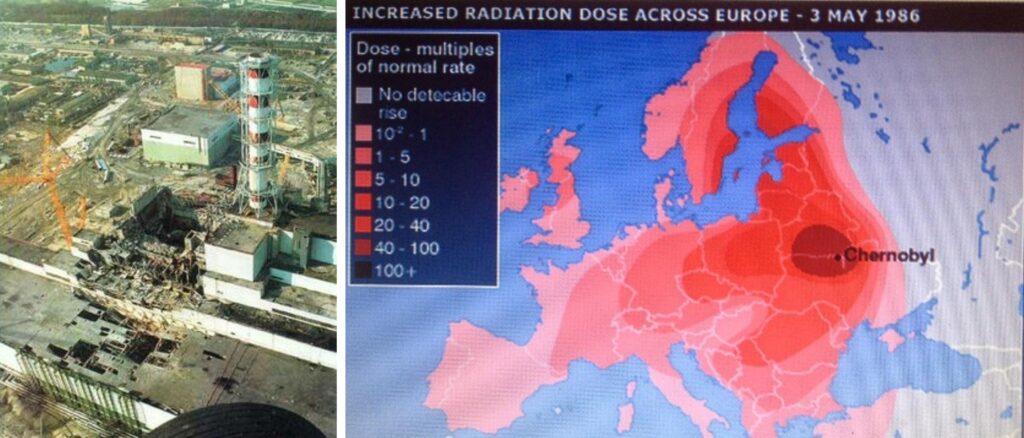
Before delving into the miniseries and its accuracy, let’s recap the actual Chernobyl disaster. On April 26, 1986, Reactor No. 4 at the Chernobyl Nuclear Power Plant exploded during a late-night safety test. The explosion released a substantial amount of radioactive particles into the atmosphere, spreading across Europe.
While the immediate aftermath was devastating, with two plant employees dying the night of the explosion, it was the long-term effects that significantly shaped the narrative. Emergency responders—firefighters, military personnel, and plant workers—faced incredible dangers to contain the disaster, resulting in acute radiation syndrome and long-lasting health issues.
The Soviet government’s response was marked by initial denial and misinformation. The surrounding community was evacuated almost a day later, and the aftermath would affect countless lives over decades, from health impacts to the dislocation of entire communities.
The Creators and Their Vision
HBO’s Chernobyl was created by Craig Mazin and directed by Johan Renck. Mazin aimed to distill the chaos and horror of the nuclear disaster while emphasizing the human stories involved. The creators did extensive research into the disaster, consulting with historians, scientists, and people who lived through the event, including survivors, to bring authenticity to their narrative.
In interviews, Mazin expressed a deep commitment to portraying the tragedy realistically. He stated, “I did not want to make a horror film, but rather a horror story. These events happened, and people died. It was essential to be as honest as possible.” This dedication to historical integrity shines through the series, yet as with any dramatized representation, certain liberties were taken for narrative impact.
Character Representations: Truth vs. Fiction
One of the most compelling aspects of Chernobyl is its character-driven storyline. The series features several key figures involved in the disaster and its aftermath, including Valery Legasov, Boris Shcherbina, and Ulana Khomyuk (a fictional composite meant to represent the many scientists working on the crisis).
Valery Legasov
Accuracy: Valery Legasov was a real-life scientist who played a crucial role in the containment of the disaster. As the deputy director of the Sarov Institute, he became one of the first to assess the incident and its implications.
Portrayal: In the series, Legasov is depicted as a morally conflicted figure grappling with the Soviet government’s deception regarding the disaster’s severity. His struggle with bureaucracy and moral dilemmas is portrayed powerfully in the series, and his eventual suicide symbolizes the psychological toll the disaster took on its key players.
Boris Shcherbina
Accuracy: Boris Shcherbina, portrayed by Stellan Skarsgård, was indeed the head of the Soviet government’s commission to manage the disaster.
Portrayal: The series captures his transformation from a party loyalist to a man stricken with the grim realities of the disaster’s aftermath. The series emphasizes his evolving relationship with Legasov and how horror can forge unexpected alliances, grounding the emotional core of the story in their partnership.
Ulana Khomyuk
Accuracy: Ulana Khomyuk is a fictional character created for the narrative. While she represents the many scientists who worked tirelessly during the disaster, there was no single figure with her exact backstory.
Portrayal: Despite being a fictional character, her representation of women in science during a time when they were often overlooked adds depth to the narrative. She embodies the urgency and intelligence of the countless individuals who fought against the odds to uncover the truth.
[amazon box=”B08XLLF3PG”]
Themes of Accountability and Truth
One of the prominent themes explored in Chernobyl is the contrast between truth and propaganda—a core aspect of Soviet life during the 1980s. The series meticulously illustrates the attempts by various figures in the government and the party to downplay the disaster’s magnitude.
In reality, the Soviet Union’s initial cover-up and misinformation campaign significantly delayed critical response efforts, exacerbating the catastrophe’s consequences. The portrayal of this struggle for truth resonates with audiences and serves as a reminder of the consequences of governmental opacity.
Visual Realism and Production Design
The production design of Chernobyl won much acclaim for its remarkable attention to detail, accurately recreating the Chernobyl Nuclear Power Plant and the surrounding areas in the aftermath of the explosion. From the chilling depiction of the reactor explosion to the grim portrayal of Pripyat—the nearby city that was completely abandoned—every frame captures the essence of a region forever changed by the disaster.
Additionally, the miniseries does not shy away from showing the physical toll of radiation sickness. The horror of radiation exposure is vividly illustrated through character experiences, emphasizing the human cost of the disaster.
Scientific and Technical Accuracy
One essential aspect for any viewer is the series’ scientific accuracy. HBO’s Chernobyl does an admirable job of explaining the technicalities surrounding nuclear energy and the specific failings that led to the disaster without overwhelming the audience.
The series explains concepts like the RBMK reactor design flaws, operator training deficiencies, and the systemic issues inherent in the Soviet bureaucratic structure. While some technical jargon might be simplified for narrative purposes, the series gives viewers a solid foundation in the scientific background of the events.
Impact and Legacy
Since its release, Chernobyl has left an indelible mark on the cultural consciousness surrounding nuclear energy and its potential risks. The miniseries sparked a resurgence of interest in the disaster, leading both to documentaries exploring the Chernobyl event and to discussions about the future of nuclear power in the modern world.
Moreover, Chernobyl prompted significant discussions around safety, regulatory measures, and what it means to govern responsibly in times of crisis. It serves as a cautionary tale about denying the consequences of human mistakes and the importance of transparency and accountability in governance.
Criticisms and Misconceptions
Despite garnering widespread acclaim, Chernobyl has also faced criticism regarding historical inaccuracies or overly dramatized elements. Critics argue that while the series succeeds in capturing the emotional weight of the events, it can lead to some misunderstandings about the event itself.
For instance, the series depicts the explosion as a result of a single mistake rather than an accumulation of systemic failures. While it effectively communicates the human costs, some argue it simplifies the complexity of nuclear safety protocols and the multilayered failures leading to the disaster.
Conclusion: The Balance of Fact and Fiction
Ultimately, Chernobyl succeeds as a television series first, using historical events as a vehicle to tell a human story. The balance between accuracy and dramatization is a delicate one. Viewers should appreciate the dramatic elements while also recognizing the truth behind them.
While HBO’s Chernobyl may not be a perfect historical account, it is a powerful tool for education and remembrance, shining a light on one of history’s most catastrophic accidents and honoring the people whose lives were forever altered by it. The series compels us to confront the past, reminding us of the importance of accountability, transparency, and the eternal pursuit of truth in the face of adversity.
Whether you’re a history buff, a fan of science fiction, or simply someone seeking to understand the implications of historical events, this miniseries is a must-watch. The haunting visuals, compelling narratives, and real-life events serving as the backdrop—Chernobyl starkly reminds us that the horrors of history should never be forgotten. So, grab your popcorn, settle in for an emotionally powerful experience, and prepare to witness a story of human resilience, tragedy, and the quest for truth.


