
What is Hypnosis?
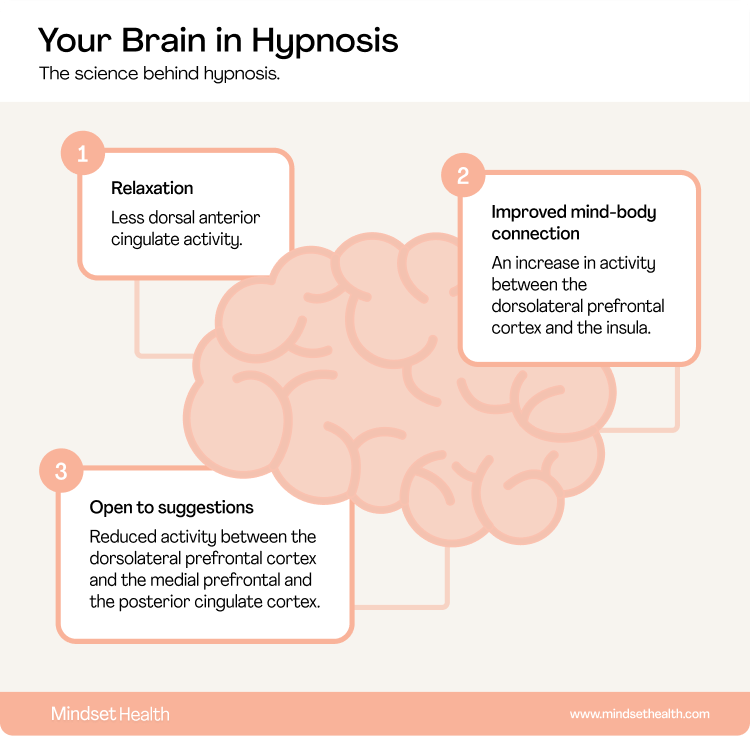
Hypnosis is a state of modified consciousness that allows for a unique connection between the mind and body, enabling individuals to access their subconscious mind and gain greater control over their physical responses. Contrary to popular belief, hypnosis is not about controlling someone’s actions; it’s actually an increase in self-awareness and ability to manage internal dynamics.
Hypnosis has been misunderstood for centuries, leading to a plethora of myths and misconceptions. In reality, hypnosis is a natural process that can be accessed by anyone who is willing to learn how to harness its power. When we are hypnotized, our brain enters a state of focused attention, allowing us to focus on specific suggestions or commands without becoming distracted.
Who Practices Hypnosis?
Hypnosis has often been associated with negative stereotypes, but the truth is that many professionals have used this technique for therapeutic purposes. In Italy, hypnotherapy is recognized as a legitimate treatment option, and only trained operators are allowed to practice it. These professionals include doctors, psychologists, and others who work in healthcare.
Trained hypnotherapists use various techniques to induce trance states in their clients. They may use guided imagery, progressive relaxation, or suggestion-based methods to help individuals access their subconscious mind. Hypnotherapy can be used to treat a wide range of conditions, including anxiety disorders, sleep disturbances, mood swings, and even physical pain.
What Can Hypnosis Treat?
Hypnosis itself does not cure anything, but its application can significantly impact various aspects of our lives. It has been shown to be effective in treating anxiety disorders, such as post-traumatic stress disorder (PTSD) and generalized anxiety disorder (GAD). Hypnosis can also help individuals overcome sleep disturbances, including insomnia and sleep apnea.
In addition to treating mental health conditions, hypnosis has been used to alleviate physical pain. By accessing the subconscious mind, individuals can learn to manage chronic pain and reduce their reliance on medication. Moreover, hypnosis can help individuals overcome phobias, eating disorders, and relationship issues.
How Does a Hypnotherapy Session Work?
A hypnotherapy session relies on the therapeutic relationship between the practitioner and client. This rapport is crucial for the effectiveness of the treatment. The goal of a hypnotherapy session is not to “fix” problems but rather to empower clients to tap into their inner resources.
During a hypnotherapy session, the practitioner may use various techniques to induce a trance state, such as guided imagery or progressive relaxation. Once in a hypnotic state, the client can be given suggestions or commands that will help them overcome their specific challenges.
There are two main types of hypnotherapy: clinical and therapeutic. Clinical hypnosis involves using guided imagery to help individuals manage pain or other physical symptoms, while therapeutic hypnosis focuses on accessing the subconscious mind to address deeper issues.
What is Regression Hypnosis?
During a hypnotherapy session, clients may experience a phenomenon called regression hypnosis. This allows them to relive past events, not just remember them, but also feel and process their emotions associated with those experiences.
Regression hypnosis can be a powerful tool for individuals who are struggling to come to terms with traumatic experiences or unresolved issues from the past. However, it’s essential to work with experienced practitioners who understand the risks involved and know how to guide clients through the regression process safely.
What is Ericksonian Hypnosis?
Ericksonian hypnosis, developed by Milton Erickson, is a more recent approach that emphasizes collaboration between the therapist and client. This technique utilizes guided imagery, storytelling, and language patterns to access the subconscious mind.
The goal of Ericksonian hypnosis is not to “fix” problems but rather to empower clients to tap into their inner resources. By working together with the client, the practitioner can help them identify their own strengths and abilities, leading to greater self-awareness and personal growth.
Hypnosis for Sleep
Hypnosis can be a useful tool in managing sleep disorders. By inducing a state similar to that of deep relaxation, individuals can learn to fall asleep and stay asleep more easily.
In addition to treating insomnia, hypnosis has also been used to help individuals with sleep apnea and other breathing disorders. Hypnosis can help individuals develop healthier sleep habits, such as establishing a consistent bedtime routine and creating a relaxing sleep environment.
Hypnosis for Weight Loss
Hypnosis can also aid in weight loss by helping individuals develop healthier eating habits and a more positive relationship with food. By accessing the subconscious mind, clients can overcome emotional triggers related to eating and develop a greater sense of self-awareness.
In addition to promoting healthy eating habits, hypnosis has also been used to help individuals manage stress and anxiety, which are common obstacles to weight loss. By reducing stress and increasing relaxation, individuals can create a more favorable environment for weight loss and overall well-being.
Conclusion
In conclusion, hypnosis is not a mysterious or deceptive practice but rather a powerful tool for personal growth and self-discovery. It can help individuals overcome various challenges and improve their overall well-being. By working with experienced practitioners and understanding the benefits of hypnosis, people can unlock their full potential and achieve greater fulfillment in life.
Frequently Asked Questions (FAQs)
-
Is Hypnosis Safe?
Hypnosis is a safe practice when done under the guidance of an experienced practitioner. However, it may not be suitable for individuals with certain medical conditions or psychological disorders. -
Can Anyone Become Hypnotized?
Most people can become hypnotized, but some individuals may be more resistant than others due to their personality or past experiences. -
Will I Lose Control During Hypnosis?
No, you will not lose control during a hypnotherapy session. You will remain conscious and in control throughout the process. -
Can Hypnosis Cure Diseases?
Hypnosis itself cannot cure diseases, but it can be used as a complementary therapy to support medical treatment. -
Is Hypnosis a Form of Mind Control?
No, hypnosis is not mind control. It’s a collaborative process that allows individuals to access their subconscious mind and make positive changes in their lives. -
Can I Use Self-Hypnosis Techniques at Home?
Yes, you can use self-hypnosis techniques at home with the guidance of an experienced practitioner or through online resources. -
How Long Does a Hypnotherapy Session Typically Last?
A typical hypnotherapy session may range from 30 minutes to several hours, depending on the individual’s needs and goals. -
Will I Experience Any Negative Effects After Hypnosis?
Most people do not experience any negative effects after hypnosis, but some individuals may feel a sense of emotional release or vulnerability after the session.


