
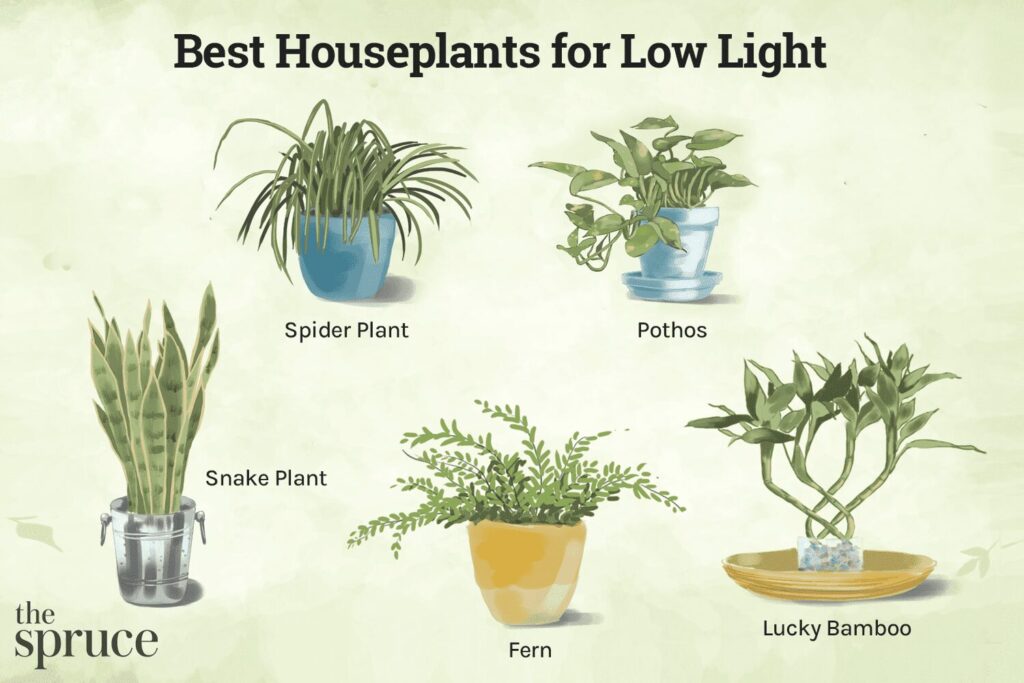
When it comes to choosing plants for small rooms with limited natural light, there are several options that can thrive in these conditions. In this article, we will explore some of the best low-light plants for apartments and discuss their unique characteristics.
Understanding Low-Light Conditions
Before we dive into our list of low-light plants, let’s understand what it means to have a small room with limited natural light. Most rooms receive at least 4-6 hours of direct sunlight per day, but some rooms may only get 1-2 hours of indirect sunlight. This can lead to weak and spindly plant growth.
Characteristics of Low-Light Plants
Low-light plants are characterized by their ability to survive in conditions with limited light. They often have adaptations such as:
- Dark green or purple leaves to absorb as much light as possible
- Thick, waxy stems to conserve water and energy
- Slow growth rates to reduce transpiration
Some low-light plants can even tolerate complete darkness for extended periods.
Top 10 Low-Light Plants for Apartments
Here are some of the top low-light plants that can thrive in small rooms:
Calathea insignis
This plant is part of the Marantaceae family and is known for its beautiful, variegated leaves. It prefers high humidity but can tolerate average humidity levels.
- Lighting: Low to medium light
- Temperature: 65-75°F (18-24°C)
- Watering: Medium to high water
- Fertilization: High frequency
Nephrolepis exaltata
This plant has a rosette shape and is known for its lush, green foliage. It prefers well-draining soil and moderate watering.
- Lighting: Low light
- Temperature: 65-75°F (18-24°C)
- Watering: Medium water
- Fertilization: Low frequency
Alocasia amazonica
This plant is a large, tropical species that can grow up to 6 feet tall. It prefers high humidity and moderate watering.
- Lighting: Low light
- Temperature: 65-75°F (18-24°C)
- Watering: High water
- Fertilization: Medium frequency
Hedera helix
This plant is also known as English ivy and has a trailing habit. It prefers well-draining soil and moderate watering.
- Lighting: Low to medium light
- Temperature: 65-75°F (18-24°C)
- Watering: Medium water
- Fertilization: Low frequency
Ficus benjamina
This plant is a popular choice for indoor spaces due to its attractive, dark green leaves. It prefers well-draining soil and moderate watering.
- Lighting: Low light
- Temperature: 65-75°F (18-24°C)
- Watering: Medium water
- Fertilization: Medium frequency
Zamia
This plant is known for its glossy, dark green leaves and can grow up to 3 feet tall. It prefers well-draining soil and moderate watering.
- Lighting: Low light
- Temperature: 65-75°F (18-24°C)
- Watering: Medium water
- Fertilization: Low frequency
Filodendro
This plant is a popular choice for its attractive, heart-shaped leaves. It prefers well-draining soil and moderate watering.
- Lighting: Low to medium light
- Temperature: 65-75°F (18-24°C)
- Watering: Medium water
- Fertilization: Medium frequency
Chamaedorea
This plant is a popular choice for its attractive, feathery leaves. It prefers well-draining soil and moderate watering.
- Lighting: Low light
- Temperature: 65-75°F (18-24°C)
- Watering: Medium water
- Fertilization: Low frequency
Aspidistra
This plant is known for its elegant, sword-shaped leaves and can grow up to 3 feet tall. It prefers well-draining soil and moderate watering.
- Lighting: Low light
- Temperature: 65-75°F (18-24°C)
- Watering: Medium water
- Fertilization: Low frequency
Peperomia
This plant is a popular choice for its small, rounded leaves. It prefers well-draining soil and low watering.
- Lighting: Low light
- Temperature: 65-75°F (18-24°C)
- Watering: Low water
- Fertilization: Low frequency
Pothos
This plant is known for its trailing habit and can grow up to 8 feet long. It prefers well-draining soil and moderate watering.
- Lighting: Low light
- Temperature: 65-75°F (18-24°C)
- Watering: Medium water
- Fertilization: Medium frequency
Dracaena
This plant is a popular choice for its slender, upright leaves. It prefers well-draining soil and moderate watering.
- Lighting: Low light
- Temperature: 65-75°F (18-24°C)
- Watering: Medium water
- Fertilization: Medium frequency
Tips for Growing Low-Light Plants
While low-light plants can thrive in small rooms, there are some additional tips to keep in mind:
- Choose a plant that fits your lifestyle and maintenance schedule.
- Use a well-draining potting mix to prevent waterlogged soil.
- Avoid overwatering, as this can lead to root rot and other problems.
- Fertilize sparingly, as low-light plants often require less nutrients.
Common Mistakes to Avoid
Some common mistakes to avoid when growing low-light plants include:
- Overwatering: This can lead to root rot and other problems.
- Underwatering: This can cause plants to become stressed and vulnerable to pests and diseases.
- Insufficient light: While some low-light plants can tolerate low light, they often require more light than average to thrive.
Conclusion
When it comes to choosing low-light plants for small rooms, there are many options to consider. By understanding the characteristics of these plants and their unique needs, you can create a beautiful and thriving indoor space.
Frequently Asked Questions
Q: What is the best low-light plant for my apartment?
A: The best low-light plant for your apartment depends on your personal preferences and lifestyle. Consider factors such as maintenance, watering frequency, and temperature requirements when choosing a plant.
Q: Can I grow low-light plants in a basement or attic?
A: Yes, many low-light plants can thrive in basements and attics with limited natural light. However, be sure to provide adequate humidity and air circulation for optimal growth.
Q: How often should I water my low-light plants?
A: The frequency of watering depends on the specific plant species and environmental conditions. As a general rule, water your low-light plants when the soil feels dry to the touch.
Q: Can I fertilize my low-light plants during the winter months?
A: Yes, many low-light plants require less fertilizer during the winter months due to reduced growth rates. However, be sure to follow the specific fertilization schedule recommended for your plant species.
Q: How can I propagate low-light plants?
A: Propagation methods vary depending on the plant species. Research specific propagation techniques for your favorite low-light plant to ensure success.
Q: Can I grow low-light plants in a pot indoors and outdoors?
A: Yes, many low-light plants can thrive in pots both indoors and outdoors. However, be sure to acclimate your plants to outdoor conditions gradually to prevent shock.
Additional Resources
If you’re looking for more information on growing low-light plants, there are several additional resources available:
- The Royal Horticultural Society (RHS) offers a wealth of information on plant care and propagation.
- The National Gardening Association (NGA) provides tips and advice on growing low-light plants indoors.
- Local nurseries and gardening clubs often offer expert advice and guidance on caring for low-light plants.
By following these tips and avoiding common mistakes, you can create a beautiful and thriving indoor space with low-light plants.


