
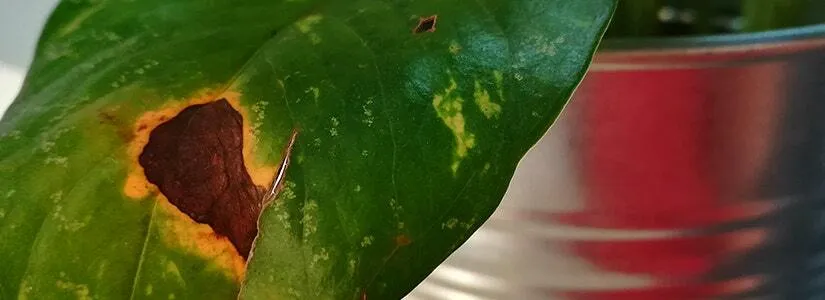
As a plant enthusiast, you want your indoor plants to thrive in their new home. However, with great care comes great responsibility. Indoor plants can be prone to various diseases and pests, which can be devastating if left untreated. In this article, we’ll delve into the world of common problems affecting indoor plants, from nutrient deficiencies to fungal infections.
Understanding the Challenges
Indoor plants are often shielded from outdoor dangers, but they still require attention to thrive. Neglecting basic care tasks, such as watering and fertilizing, can lead to maladies that may be fatal. Here are some common mistakes to avoid:
- Overwatering: Too much water can cause root rot and other problems.
- Insufficient light: Reduced lighting can increase the risk of fungal infections.
- Excessive fertilizer use: Over-fertilization can make plants more susceptible to pests.
Fungal Infections: The Silent Killers
One of the most common issues affecting indoor plants is fungal infections. These microorganisms feed on plant tissue, causing damage and death. Common symptoms include:
- Yellowing leaves
- Wilting or droopy leaves
- Black spots or patches on leaves
To combat fungal infections, reduce watering, eliminate affected areas, and provide good air circulation.
Parasitic Pests: The Sneaky Attackers
While indoor plants are generally immune to outdoor pests, some species can still be susceptible. Common parasites include:
- Aphids
- Mealybugs
- Whiteflies
To combat parasitic pests, inspect your plant regularly, use neem oil or insecticidal soap, and keep the environment clean.
Common Plant Diseases
Indoor plants can also fall victim to various diseases, including:
- Root rot: Caused by overwatering, this disease can be fatal.
- Leaf spot: A fungal infection that causes black spots on leaves.
- Powdery mildew: A fungal infection that covers leaves with a white powdery coating.
To combat these diseases, reduce watering, improve air circulation, and treat affected areas with fungicides.
The Importance of Pruning
Pruning is an essential technique for maintaining indoor plants. By removing dead or damaged leaves and branches, you can prevent the spread of disease and encourage healthy growth. Here are some tips to keep in mind:
- Remove dead or dying leaves immediately to prevent fungal infections.
- Prune branches back to a healthy node to promote new growth.
- Use clean pruning tools to avoid spreading diseases.
Tips for Improving Soil Quality
Soil is the foundation of your indoor plant’s health. To ensure optimal soil quality, follow these tips:
- Use well-draining potting mixes to prevent waterlogged soil.
- Add organic matter like compost or manure to improve soil structure and fertility.
- Avoid over-fertilizing, as this can lead to nutrient imbalances.
Common Mistakes to Avoid
In addition to fungal infections, parasitic pests, and diseases, there are several common mistakes to avoid when caring for indoor plants. Here are some of the most common errors:
- Overwatering: This is one of the most common mistakes made by plant enthusiasts. Be cautious not to overwater your plants.
- Insufficient light: Most plants require bright, indirect light to thrive.
- Inadequate humidity: Many plants prefer a humid environment, so consider using a humidifier.
Protecting Your Plants from the Elements
To keep your indoor plants happy and healthy, follow these simple tips:
- Water wisely: Avoid overwatering, which can cause root rot.
- Provide good lighting: Most plants require bright, indirect light.
- Fertilize sparingly: Over-fertilization can damage plant tissue.
- Inspect regularly: Regular inspections can help you catch problems early.
By following these guidelines and staying vigilant, you can keep your indoor plants thriving for years to come.


