
The Hidden Dangers of Household Chemicals: Are You Exposed to Cancer Risks?
Understanding the Risks of Endocrine Disrupters
As we go about our daily lives, using household products and cosmetics that contain chemicals, it’s essential to be aware of the potential risks these substances pose to our health. The European Environment Agency (EEA) has recently conducted a study highlighting the dangers of certain chemicals found in common household items, which may increase the risk of cancer, fertility issues, and obesity.
What are Endocrine Disrupters?
Endocrine disrupters are chemicals that can interfere with the endocrine system, which regulates various bodily functions. These substances can be found in a wide range of products, including pesticides, cosmetics, sunscreens, and anticonception pills. The EEA warns that these chemicals can have a significant impact on human health and the environment.
The Link between Endocrine Disrupters and Health Problems
Research suggests that exposure to endocrine disrupters may be linked to an increased risk of various health issues, including cancer, infertility, and obesity. For example, studies have shown that exposure to certain pesticides can increase the risk of prostate cancer. Similarly, chemicals found in some cosmetics and sunscreens have been linked to hormonal imbalances and fertility problems.
The EEA’s Warning: A Call for Action
The EEA has cautioned that there is a need to intensify monitoring efforts to better understand the impact of these substances on human health. While no single substance has been singled out for ban, the agency warns that the cumulative effect of multiple exposures can be detrimental to our well-being.
What Can You Do to Reduce Your Exposure?
Fortunately, there are many natural alternatives available that can help minimize your exposure to endocrine disrupters. Here are some simple tips:
- Use natural pest control methods: Instead of using chemical pesticides, try using natural methods like introducing beneficial insects or using physical barriers.
- Choose eco-friendly cosmetics: Opt for products that are labeled as “free from” certain chemicals, such as parabens and phthalates.
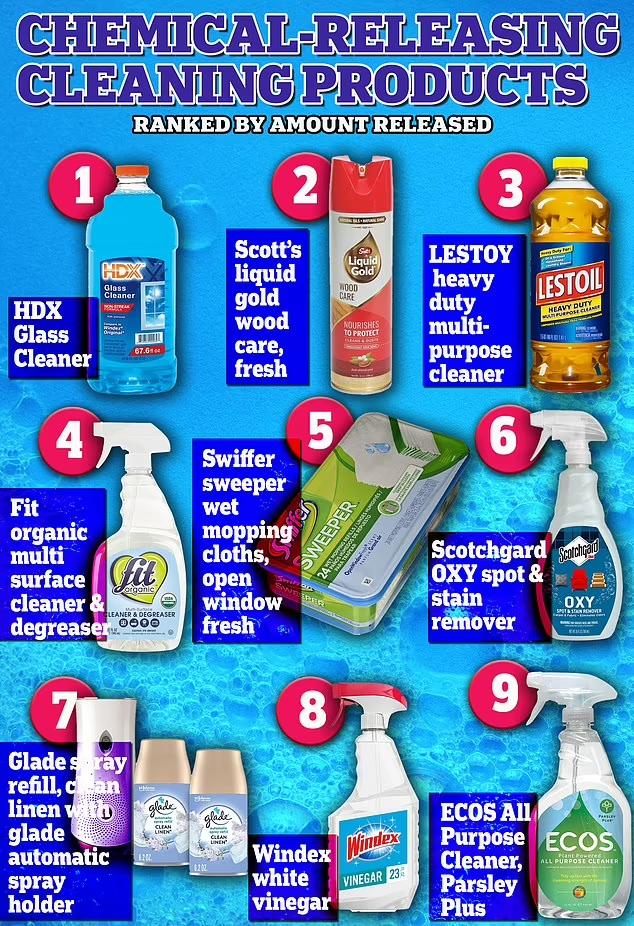
- Make your own cleaning solutions: Use natural ingredients like baking soda and vinegar to clean your home instead of chemical-based cleaners.
The EEA’s Study: “The impacts of endocrine disrupters on wildlife, people and their environments”
The EEA has published a comprehensive study on the impact of endocrine disrupters on human health and the environment. The report highlights the need for greater awareness and action to reduce our exposure to these substances.
Conclusion
While the risks associated with endocrine disrupters are significant, there is hope for reducing our exposure. By making informed choices about the products we use and adopting natural alternatives, we can minimize our risk of health problems. Remember, a healthy home starts with a healthy you!
Here are 8 FAQs related to the topic:
- Q: What are endocrine disrupters, and how do they affect human health?
A: Endocrine disrupters are chemicals that interfere with the endocrine system, which regulates various bodily functions. Exposure to these substances has been linked to an increased risk of health problems, including cancer, infertility, and obesity. - Q: What types of products contain endocrine disrupters?
A: Endocrine disrupters can be found in a wide range of products, including pesticides, cosmetics, sunscreens, and anticonception pills. - Q: How can I reduce my exposure to endocrine disrupters?
A: There are many natural alternatives available that can help minimize your exposure. Try using natural pest control methods, choosing eco-friendly cosmetics, and making your own cleaning solutions. - Q: What is the EEA’s stance on endocrine disrupters?
A: The European Environment Agency has warned that there is a need to intensify monitoring efforts to better understand the impact of these substances on human health. While no single substance has been singled out for ban, the agency cautions against the cumulative effect of multiple exposures. - Q: How can I make my home safer from endocrine disrupters?
A: Start by adopting natural cleaning methods and choosing eco-friendly products. You can also use natural pest control methods and introduce beneficial insects into your garden. - Q: Are there any specific chemicals that should be avoided?
A: Yes, certain chemicals like parabens and phthalates have been linked to hormonal imbalances and fertility problems. Look for products labeled as “free from” these substances. - Q: Can I get rid of endocrine disrupters in my home completely?
A: While it may not be possible to eliminate all endocrine disrupters, you can significantly reduce your exposure by making informed choices about the products you use and adopting natural alternatives. - Q: What’s the future look like for reducing endocrine disrupter exposure?
A: As awareness grows, so does action. By working together, we can create a healthier environment and minimize our risk of health problems associated with these substances.
Natural Alternatives to Endocrine Disrupters
There are many natural alternatives available that can help minimize your exposure to endocrine disrupters. Here are some options:
- Plant-based pesticides: Instead of using chemical pesticides, try using plant-based alternatives like neem oil or pyrethrin.
- Eco-friendly cosmetics: Opt for products that are labeled as “free from” certain chemicals, such as parabens and phthalates.
- Natural cleaning solutions: Use natural ingredients like baking soda and vinegar to clean your home instead of chemical-based cleaners.
Conclusion
Reducing exposure to endocrine disrupters requires a multifaceted approach. By making informed choices about the products we use and adopting natural alternatives, we can minimize our risk of health problems. Remember, a healthy home starts with a healthy you!
Common Household Chemicals Containing Endocrine Disrupters
Here are some common household chemicals that contain endocrine disrupters:
- Parabens: Found in personal care products like shampoos and conditioners, parabens have been linked to hormonal imbalances and fertility problems.
- Phthalates: Commonly found in plastics and fragrances, phthalates have been linked to reproductive issues and certain types of cancer.
- Pesticides: Chemical pesticides can be found in many household products, including insecticides and fungicides. These substances have been linked to an increased risk of cancer, infertility, and obesity.
Conclusion
By being aware of the potential risks associated with endocrine disrupters and taking steps to reduce our exposure, we can create a healthier environment for ourselves and future generations.


