
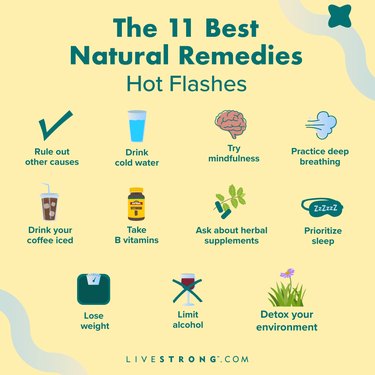
As women approach the menopause stage of their lives, they often experience a range of physical and emotional symptoms. One of the most common complaints during this time is hot flashes, characterized by sudden feelings of heat that can be uncomfortable and even debilitating.
But are there natural remedies that can help alleviate these symptoms? The answer is yes!
In this article, we’ll explore some effective ways to prevent and manage hot flashes, as well as discuss the potential benefits of incorporating certain foods, herbs, and lifestyle changes into your daily routine.
What Causes Hot Flashes During Menopause?
Hot flashes are a common symptom of perimenopause, which is the transition period leading up to menopause. As estrogen levels drop during this time, it can disrupt the body’s natural temperature regulation, leading to feelings of heat and discomfort.
Other factors that may contribute to hot flashes include:
- Obesity: Carrying excess weight around the midsection can increase inflammation and lead to hot flashes.
- Smoking: Nicotine can exacerbate symptoms of menopause by increasing heart rate and blood pressure.
- Sedentary lifestyle: A lack of physical activity can worsen symptoms of menopause, including hot flashes.
- Ethnicity: Women of African American descent are more likely to experience hot flashes due to genetic factors.
- Diet: Consuming spicy or heavy foods may trigger hot flashes in some women.
Natural Remedies for Hot Flashes
Fortunately, there are several natural remedies that can help alleviate hot flashes. Here are some options:
Soy and Isoflavones
Soy contains isoflavones, which have been shown to reduce symptoms of menopause, including hot flashes.
- You can add soy to your diet by consuming soy-based foods or supplements.
- Some studies suggest that soy may also have benefits for women’s heart health, such as reducing the risk of cardiovascular disease.
Lupin and Flaxseed
Lupin and flaxseed are both rich in fiber and omega-3 fatty acids, which can help reduce inflammation and promote overall health.
- Lupin is a plant-based food that contains anti-inflammatory compounds, including polyphenols and saponins.
- Flaxseed is a nutritious seed that’s high in fiber, omega-3s, and lignans, which may help reduce symptoms of menopause.
Massage Therapy
Massaging with oils like primrose oil or aloe vera gel can have a cooling effect on the skin and help regulate estrogen levels.
- Massages can also be beneficial for stress relief and overall well-being.
- Consider incorporating massage into your self-care routine to manage hot flashes.
Other Natural Remedies
There are many other natural remedies that may help alleviate hot flashes. Some options include:
- Ginger: Known for its anti-inflammatory properties, ginger may help reduce symptoms of menopause.
- Turmeric: Curcumin, a compound found in turmeric, has potent antioxidant and anti-inflammatory effects.
- Chamomile: This calming herb may help soothe anxiety and stress related to hot flashes.
Lifestyle Changes
In addition to incorporating natural remedies into your daily routine, there are several lifestyle changes you can make to reduce the frequency and severity of hot flashes. Here are some tips:
- Regular exercise: Engage in physical activity that suits your fitness level.
- Healthy eating habits: Focus on whole foods, fruits, vegetables, lean proteins, and healthy fats.
- Stress management: Practice stress-reducing techniques like meditation, yoga, or deep breathing exercises.
- Weight loss: Maintaining a healthy weight can help reduce symptoms of menopause.
Dietary Changes
Incorporating specific foods into your diet may help alleviate hot flashes. Here are some options:
- Omega-3 rich foods: Fatty fish like salmon and sardines, as well as flaxseed and chia seeds, contain omega-3 fatty acids that may reduce inflammation.
- Calcium-rich foods: Foods high in calcium, such as milk, yogurt, and leafy greens, may help regulate estrogen levels.
- Vitamin D: Maintaining adequate vitamin D levels is important for overall health and may also help alleviate hot flashes.
Herbal Supplements
Some herbal supplements have been shown to have beneficial effects on symptoms of menopause. Here are some options:
- Black cohosh: This herb has been traditionally used to treat symptoms of menopause, including hot flashes.
- Dong quai: Also known as Chinese angelica, dong quai is a plant-based herb that may help alleviate symptoms of menopause.
- Red clover: Isoflavones found in red clover may help reduce symptoms of menopause.
Conclusion
Hot flashes during menopause can be uncomfortable and debilitating. However, by incorporating natural remedies, making lifestyle changes, and adopting a healthy diet, you can reduce the frequency and severity of these symptoms. Remember to consult with your healthcare provider before starting any new supplements or therapies.


