
As a homeowner, choosing the right kitchen exhaust fan can be a daunting task. With so many options available in the market, it’s essential to consider not only its design and features but also its energy efficiency rating. In this article, we’ll explore the world of energy labels on kitchen exhaust fans, including their history, benefits, and how to read them.
The History of Energy Labels on Kitchen Exhaust Fans
Energy labels, also known as energy passports, have been a part of our daily lives for decades. However, their application on kitchen exhaust fans is relatively recent. The European Union’s Directive 92/42/EEC, which sets out the minimum requirements for energy-related products, came into force in 2015. This marked the beginning of mandatory labeling on energy-efficient appliances, including kitchen exhaust fans.
The concept of energy labels dates back to the 1970s, when the first energy label was introduced in Sweden. The idea quickly gained popularity across Europe and eventually spread to other parts of the world. Today, energy labels are a standard feature on most energy-related products, including kitchen exhaust fans.
The Benefits of Energy Labels
Energy labels provide consumers with valuable information about the energy efficiency and performance of a product. They help reduce energy consumption and greenhouse gas emissions, ultimately contributing to a more sustainable future. By choosing an energy-efficient kitchen exhaust fan, homeowners can:
- Reduce their energy bills
- Contribute to a reduction in carbon emissions
- Enhance indoor air quality
Energy labels also provide consumers with the following benefits:
- Increased transparency: Energy labels allow consumers to compare products based on their energy efficiency.
- Improved decision-making: With accurate information about product performance, consumers can make informed decisions when choosing a kitchen exhaust fan.
- Reduced environmental impact: By choosing energy-efficient appliances, consumers can reduce their contribution to greenhouse gas emissions.
How to Read the Energy Label
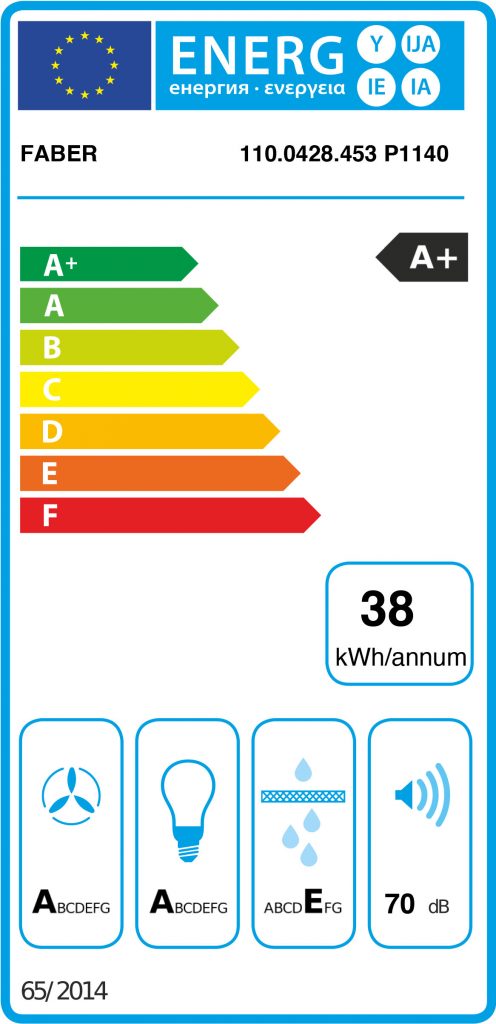
The energy label on your kitchen exhaust fan is divided into four main sections:
- Name and Identification Number: This section provides information about the manufacturer and product ID.
- Energy Efficiency Rating: This is the most crucial part of the label, which rates the product’s energy efficiency based on its class (A to F).
- Annual Energy Consumption: This section shows the estimated annual energy consumption of the fan in kWh.
- Additional Information: This includes details about the fan’s features, such as noise level and filter type.
Understanding the Energy Efficiency Rating
The energy efficiency rating is based on a class system (A to F) that indicates the product’s performance relative to its energy consumption. The classes are defined as follows:
- Class A: Most efficient, with an estimated annual energy consumption of 37 kWh
- Class B: Moderately efficient, with an estimated annual energy consumption of 59 kWh
- Class C: Less efficient, with an estimated annual energy consumption of 96 kWh
- Class D: Least efficient, with an estimated annual energy consumption of 137 kWh
- Class E and F: Not recommended for kitchen exhaust fans
Comparing Energy Efficiency Ratings
When choosing a kitchen exhaust fan, it’s essential to compare the energy efficiency ratings of different models. Consider the following factors:
- Energy consumption: A lower rating indicates better energy efficiency.
- Noise level: Some fans are designed to be quieter than others.
- Filter type: HEPA filters are more effective at removing allergens and pollutants.
When comparing energy efficiency ratings, consider the following tips:
- Check the class label: Look for the energy efficiency rating on the product label or packaging.
- Research online: Compare products based on their energy efficiency ratings and features.
- Consult with experts: Talk to professionals who specialize in kitchen exhaust fans to get advice on choosing the right model.
Selecting the Right Kitchen Exhaust Fan
With the right information, you can make an informed decision when selecting a kitchen exhaust fan. Consider the following factors:
- Usage pattern: How often do you use the fan? If it’s frequently used, choose a more efficient model.
- Budget: Set a budget and balance it with energy efficiency.
- Design and features: Choose a fan that meets your design requirements and has additional features you need.
Some popular kitchen exhaust fan options to consider:
- High-efficiency fans: Look for fans with high energy efficiency ratings (Class A or B).
- Quiet fans: Consider fans with noise-reducing features, such as sound-absorbing materials.
- Filter-equipped fans: Choose fans with HEPA filters for improved indoor air quality.
Conclusion
The energy label on your kitchen exhaust fan is a valuable resource that provides essential information about its energy efficiency rating. By understanding how to read the label, comparing energy efficiency ratings, and considering factors like noise level and filter type, you can choose the right kitchen exhaust fan for your needs. Make the switch to an energy-efficient kitchen exhaust fan today and start saving energy and money.
FAQs
- Q: What is the purpose of the energy label on a kitchen exhaust fan?
A: The energy label provides information about the product’s energy efficiency rating, which helps consumers make informed decisions. - Q: How often should I replace my kitchen exhaust fan?
A: It depends on usage and maintenance. Typically, fans need to be replaced every 5-7 years or when they show signs of wear and tear. - Q: Can I use a non-energy-efficient kitchen exhaust fan?
A: While it’s possible, using an inefficient fan may increase your energy bills and contribute to environmental pollution. - Q: How do I read the annual energy consumption on the energy label?
A: The value represents the estimated annual energy consumption of the fan in kWh. - Q: Are all kitchen exhaust fans created equal?
A: No, not all fans are created equal. Look for features like HEPA filters and adjustable speed settings to enhance performance. - Q: Can I install a kitchen exhaust fan myself?
A: It’s recommended to hire a professional to ensure proper installation and safety. - Q: Are there any tax incentives or rebates available for energy-efficient appliances?
A: Check with your local government or utility company to see if they offer incentives for energy-efficient purchases. - Q: How do I maintain my kitchen exhaust fan?
A: Regularly clean the filter, check for blockages, and replace worn-out parts to extend its lifespan.
Additional Tips
- Consider a whole-house ventilation system: If you have multiple cooking appliances in your home, consider investing in a whole-house ventilation system.
- Look for eco-friendly materials: Choose fans with eco-friendly materials, such as recyclable plastics or natural fibers.
- Check the warranty: Look for manufacturers that offer comprehensive warranties on their products.
By following these tips and considering the benefits of energy labels, you can make an informed decision when choosing a kitchen exhaust fan. Remember to read the label carefully, compare energy efficiency ratings, and consider factors like noise level and filter type. Happy shopping!


