
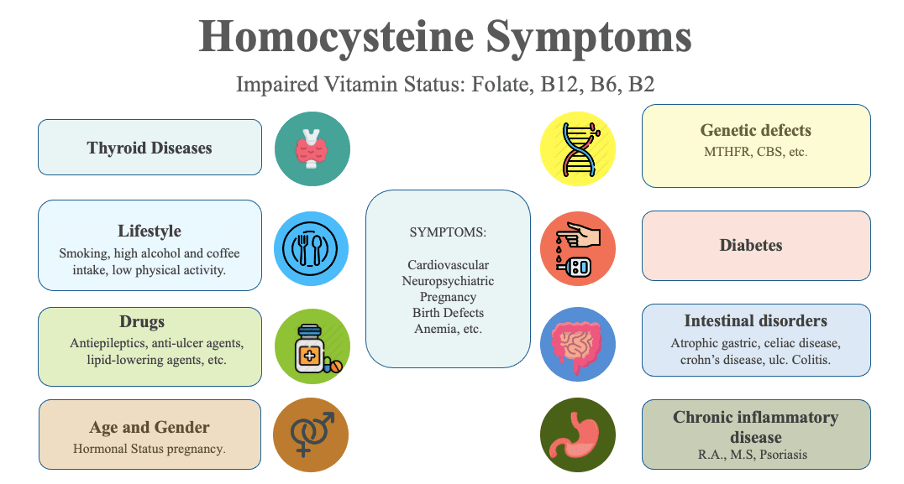
As a non-medical professional, you may have heard of omocisteine, but do you know what it is and how it affects your cardiovascular health? In this article, we will delve into the world of omocisteine, exploring its production, values, symptoms, and effects on the body. We’ll also discuss how to maintain healthy levels of omocisteine through diet and lifestyle changes.
What is Omocisteine?
Omocisteine is an amino acid produced by our metabolism from the amino acid methionine, which we absorb through food consumption. Foods that contain high amounts of methionine include dairy products, eggs, meat, and legumes. Omocisteine is a sulfur-containing compound, meaning it has a sulfur atom in its chemical formula.
Normal Values of Omocisteine
For healthy adults, the normal range for omocisteine levels in the blood is between 5-12 micro-moles per liter (μmol/L). This value refers to the total amount of omocisteine present in the bloodstream, regardless of its form. It’s essential to note that omocisteine can exist in different forms in the body, such as a single molecule or bound to proteins or dimers.
Factors Affecting Omocisteine Levels
While diet plays a significant role in maintaining healthy omocisteine levels, there are many other factors at play. Medications, genetic disorders, smoking, excessive caffeine consumption, and folate deficiency can all impact omocisteine levels.
High Omocisteine Levels: A Silent Threat to Cardiovascular Health
Elevated omocisteine levels have been linked to an increased risk of cardiovascular diseases, including atherosclerosis, myocardial infarction (heart attack), cerebral stroke, and venous thrombosis. As the level of omocisteine increases, so does the risk.
Research has shown that high omocisteine levels can lead to:
- Increased inflammation in the body
- Oxidative stress, which can damage cells and tissues
- Endothelial dysfunction, leading to impaired blood flow and increased blood pressure
Low Omocisteine Levels: A Rare but Potential Issue
While high omocisteine levels are more common, low levels are relatively rare. However, it’s essential to be aware that decreased omocisteine levels can also have negative effects on cardiovascular health, particularly when combined with other risk factors like hypertension, diabetes, and high cholesterol.
Symptoms of Omocisteine Imbalance
Omocisteine imbalance can manifest in various ways, including:
- Cardiovascular disease
- Fatigue
- Weakness
- Muscle pain
- Numbness or tingling sensations
If you’re experiencing any of these symptoms, it’s crucial to consult with a healthcare professional for proper diagnosis and treatment.
How to Maintain Healthy Omocisteine Levels
Before seeking medical attention, make lifestyle changes to support healthy omocisteine levels. A balanced diet rich in:
- Leafy greens (spinach, kale, collard greens)
- Fresh fruits (berries, citrus fruits, apples)
- Nuts and seeds (almonds, sunflower seeds, pumpkin seeds)
- Legumes (lentils, chickpeas, black beans)
- Whole grains
- Fatty fish (salmon, sardines, mackerel)
can help support healthy omocisteine levels. Additionally, consider incorporating supplements like vitamin B12 and folate into your diet.
Dietary Recommendations
Incorporate the following foods into your diet to support healthy omocisteine levels:
- Omega-3 fatty acids: found in fatty fish, flaxseeds, and walnuts
- Vitamin E: found in nuts, seeds, and vegetable oils
- Magnesium: found in dark leafy greens, beans, and whole grains
- Potassium: found in bananas, avocados, and sweet potatoes
Lifestyle Changes
In addition to dietary changes, make the following lifestyle modifications to support healthy omocisteine levels:
- Regular exercise: aim for at least 30 minutes of moderate-intensity exercise per day
- Stress management: practice relaxation techniques like meditation or yoga
- Get enough sleep: aim for 7-8 hours of sleep per night
- Quit smoking: tobacco use can lead to high omocisteine levels and increased cardiovascular risk
Conclusion
Omocisteine is a crucial amino acid that plays a significant role in cardiovascular health. Understanding its production, values, symptoms, and effects on the body can help you maintain healthy levels through diet and lifestyle changes. By making informed choices and consulting with a healthcare professional if necessary, you can reduce your risk of cardiovascular disease and promote overall well-being.
Frequently Asked Questions (FAQs)
- What is omocisteine?
Omocisteine is an amino acid produced by our metabolism from the amino acid methionine.
- What are normal values for omocisteine?
For healthy adults, the normal range for omocisteine levels in the blood is between 5-12 micro-moles per liter (μmol/L).
- Can I lower my omocisteine levels through diet alone?
Yes, a balanced diet rich in leafy greens, fresh fruits, nuts and seeds, legumes, whole grains, and fatty fish can help support healthy omocisteine levels.
- What are the symptoms of high omocisteine levels?
Elevated omocisteine levels have been linked to an increased risk of cardiovascular diseases, including atherosclerosis, myocardial infarction (heart attack), cerebral stroke, and venous thrombosis.
- Can I lower my omocisteine levels through supplements?
Yes, vitamin B12 and folate supplements can help support healthy omocisteine levels.
- How often should I check my omocisteine levels?
If you’re at risk for cardiovascular disease or have a family history of cardiovascular disease, consult with your healthcare professional about regular blood tests to monitor your omocisteine levels.
- Can I increase my omocisteine levels through exercise?
While exercise is essential for overall health, it does not directly impact omocisteine levels.
- What are the potential risks of high omocisteine levels during pregnancy?
Elevated omocisteine levels have been linked to an increased risk of cardiovascular disease in pregnant women, particularly those with pre-existing conditions. Consult with your healthcare professional if you have concerns about your omocisteine levels during pregnancy.
Additional Resources
For more information on omocisteine and its effects on cardiovascular health, consult the following resources:
- National Institutes of Health (NIH) – “Omocisteine: A Review”
- American Heart Association (AHA) – “Cardiovascular Disease Risk Factors”
- Mayo Clinic – “Omocisteine: What You Need to Know”
By staying informed and taking proactive steps to maintain healthy omocisteine levels, you can reduce your risk of cardiovascular disease and promote overall well-being.



