
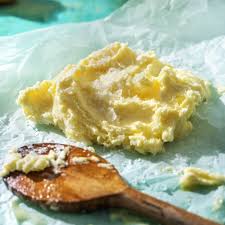
Introduction
In recent years, vegetable margarine has become a popular alternative to butter for those following a vegetarian diet or intolerant to lactose. However, is it truly a healthy option? In this article, we’ll delve into the world of vegetable margarine, exploring its composition, nutritional benefits, and potential drawbacks.
What is Vegetable Margarine?
Vegetable margarine is a plant-based spread made from a mixture of oil and water. It’s composed of a lipid phase and an aqueous phase, which are separated by emulsifiers that stabilize the condiment. The most common ingredients used in vegetable margarines include palm oil, coconut oil, soybean oil, sunflower oil, corn oil, linseed oil, canola oil, and olive oil.
The History of Vegetable Margarine
Vegetable margarine has been around for centuries, with the first commercial production dating back to the late 19th century. However, it wasn’t until the mid-20th century that vegetable margarines became widely available in stores. Today, there are many different types of vegetable margarines on the market, including hydrogenated and non-hydrogenated options.
The Dark Side of Vegetable Margarine
While vegetable margarine may seem like a healthy alternative to butter, it’s not without its drawbacks. One of the main concerns is the presence of trans-fats, which are created during the hydrogenation process. Trans-fats have been linked to an increased risk of cardiovascular disease.
The Australian Study: A Wake-Up Call
In 1966 and 1972, a study was conducted in Australia on over 450 patients with cardiovascular diseases. The study found that substituting animal fats like butter with plant-based fats like vegetable margarine doubled the risk of death in observed people. This study highlighted the importance of choosing healthy fats and being mindful of trans-fats.
Non-Hydrogenated Vegetable Margarines: A Healthier Option?
While non-hydrogenated vegetable margarines may seem like a healthier option, they’re not without their problems. Some oils used in these margarines, such as palm oil and coconut oil, are naturally semi-solid and don’t require hydrogenation. However, these oils have been treated with chemicals to extend their shelf life, which can be detrimental to health.
Homemade Vegetable Margarine: A Healthier Alternative?
In the comfort of your own home, you can create a healthier version of vegetable margarine using simple ingredients like lecithin from soy, olive oil, and canola oil. This homemade option allows you to control the amount of hydrogenation and additives that go into your product.
How to Make Homemade Vegetable Margarine
Making homemade vegetable margarine is easier than you think! Here’s a simple recipe to get you started:
- 25g lecithin from soy
- 40ml water
- 90ml extra virgin olive oil
- 50ml canola oil
- Icy water enough (about 220ml)
Instructions:
- Place the water in the freezer and let it cool for a few hours.
- Dissolve the lecithin in the water and use a hand blender to emulsify the lecithin with oil until completely absorbed.
- Gradually add icy water while mixing, blending until you get the typical consistency of vegetable margarine.
The Benefits of Homemade Vegetable Margarine
Making your own homemade vegetable margarine has several benefits:
- Control over ingredients: You can choose the quality and type of oils used in your product.
- Less processing: By making your own margarine, you avoid the lengthy process of hydrogenation and other chemicals used in commercial production.
- Increased shelf life: Homemade vegetable margarine can last up to 3 months when stored properly.
- Lower cost: Making your own margarine can be more cost-effective than buying it in stores.
Common Mistakes to Avoid When Making Homemade Vegetable Margarine
When making homemade vegetable margarine, there are a few common mistakes to avoid:
- Insufficient emulsification: This can lead to a margarine that separates or has an unpleasant texture.
- Incorrect temperature: If the mixture is too warm or too cold, it can affect the stability of the margarine.
- Inadequate storage: Homemade vegetable margarine can go bad if not stored properly.
Tips for Improving Your Homemade Vegetable Margarine
To improve your homemade vegetable margarine, try these tips:
- Use high-quality ingredients: Choose the best oils and lecithin available to ensure a smooth and stable product.
- Experiment with different ratios: Find the perfect balance of oil to water that works for you.
- Add flavorings: Try adding herbs or spices to give your margarine a unique taste.
Conclusion
Vegetable margarine may seem like a healthy alternative to butter, but it’s not without its drawbacks. By understanding the composition and nutritional benefits of vegetable margarine, we can make informed decisions about our diet. Whether you choose to buy store-bought or homemade, always opt for non-hydrogenated options and be mindful of trans-fats.
Frequently Asked Questions
Q: Is vegetable margarine bad for me?
A: Vegetable margarine can be a healthy option if chosen wisely. However, it’s essential to be aware of the potential drawbacks, such as trans-fats and hydrogenation.
Q: What are the benefits of vegetable margarine?
A: Vegetable margarine is a good source of plant-based fats, which can help lower cholesterol levels and reduce the risk of cardiovascular disease.
Q: Can I make my own vegetable margarine at home?
A: Yes! With simple ingredients like lecithin from soy, olive oil, and canola oil, you can create your own healthier version of vegetable margarine.
Q: Is homemade vegetable margarine better for me than store-bought?
A: While homemade vegetable margarine allows you to control the amount of hydrogenation and additives, it’s still essential to be mindful of trans-fats and natural oils used in production.
Q: Can I use any type of oil in my homemade vegetable margarine recipe?
A: No, some oils like coconut oil can be too thick for blending with lecithin. Opt for lighter oils like olive or canola oil instead.
Q: How long can I store homemade vegetable margarine in the fridge?
A: Homemade vegetable margarine can be stored in the fridge for up to a week. If it starts to separate, simply blend again before use.
Q: Can I freeze homemade vegetable margarine?
A: Yes! Simply scoop out your margarine into an airtight container or freezer bag and store in the freezer for up to 3 months.
Q: How do I know if my homemade vegetable margarine is fresh?
A: Check the consistency, smell, and texture of your margarine. If it’s separated or has an off smell, it may be time to make a fresh batch!


