
Introduction
In the world of bread, there’s a type of bread that stands out from the rest – whole wheat bread made without yeast. This bread has been around for centuries, and its history is as fascinating as it is delicious. In this article, we’ll take you on a journey through time to explore the origins of whole wheat bread, its cultural significance, and how to make it in the comfort of your own home.
The History of Whole Wheat Bread
Whole wheat bread has been around since ancient times, with the first recorded evidence dating back to 1000 AD in Scotland. This type of bread was made by mixing coarsely ground whole wheat with water and then cooking it on hot stones or directly on open flames. The name “whole wheat” comes from the fact that the bread is made without yeast, which means that the dough doesn’t undergo fermentation.
Ancient Origins
The history of whole wheat bread dates back to ancient civilizations in Egypt, Greece, and Rome. In these cultures, whole wheat was a staple food that provided sustenance and nutrition for people from all walks of life. The ancient Egyptians, for example, believed that whole wheat had healing properties and used it as a form of medicine.
Medieval Europe
During the Middle Ages, whole wheat bread became an essential part of European cuisine. In medieval times, bread was made without yeast, and instead, was baked on hot stones or in wood-fired ovens. This type of bread was often coarse and dense, but still delicious and satisfying.
The Renaissance and Beyond
In the 16th century, the Renaissance brought about a new era of culinary innovation. Chefs and bakers began to experiment with new ingredients and techniques, including the use of yeast in bread making. Whole wheat bread continued to be popular, however, as people sought out healthier options that were less refined.
Cultural Significance
Whole wheat bread has played a significant role in many cultures throughout history. In Judaism, for example, whole wheat bread was traditionally eaten during Passover to commemorate the Israelites’ escape from slavery in Egypt. In Christianity, the Eucharist is often celebrated with a round loaf of whole wheat bread, symbolizing unity and community.
Whole Wheat Bread Around the World
Today, whole wheat bread can be found on menus around the world. In Japan, for example, whole wheat bread is often served as a side dish or used as an ingredient in sushi rolls. In India, whole wheat bread is a staple food that’s often flavored with spices and herbs.
Making Whole Wheat Bread at Home
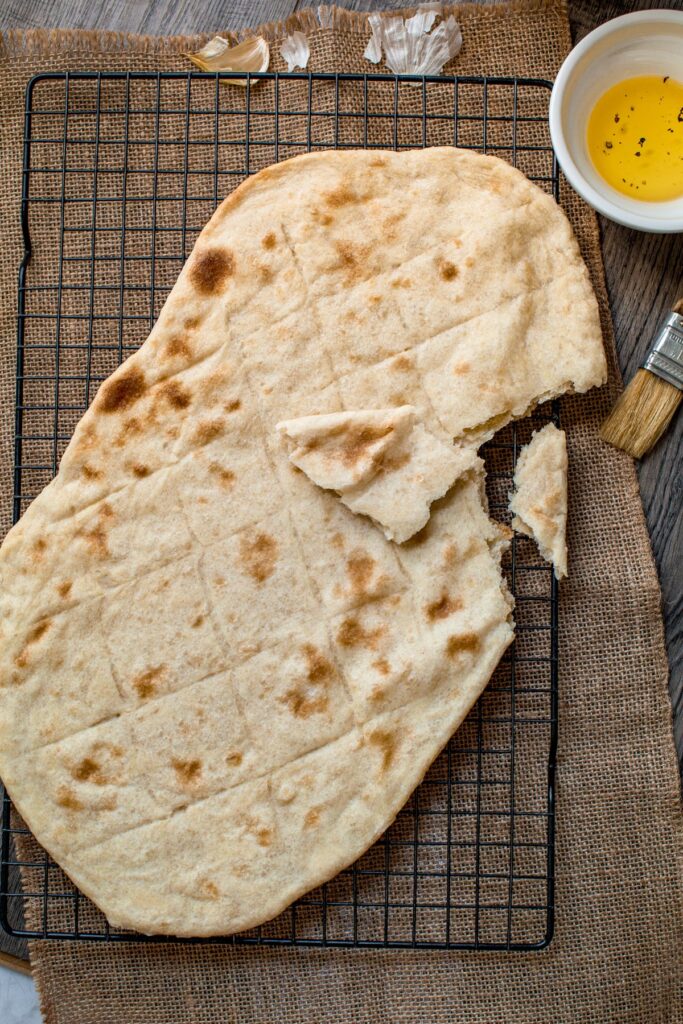
Making whole wheat bread at home is easier than you think! With just a few simple ingredients, including whole wheat flour, water, salt, and optional olive oil, you can create a delicious and healthy loaf that’s perfect for sandwiches or toast. Here’s a basic recipe to get you started:
Ingredients
- 500g whole wheat flour
- 250ml warm water
- Salt (optional)
- Olive oil (optional)
Instructions
- In a large mixing bowl, combine the flour and salt (if using).
- Gradually add in the warm water while stirring with a spoon until the dough comes together.
- Knead the dough for about 10 minutes until it becomes smooth and elastic.
- Divide the dough into small balls and shape each ball into a flat disk.
- Cook each disk on a non-stick pan or skillet over medium heat for about 2-3 minutes per side, or until golden brown.
Gluten-Free Whole Wheat Bread
For those with gluten intolerance or sensitivity, making whole wheat bread at home can be just as easy! With the right ingredients and techniques, you can create a delicious gluten-free loaf that’s just as tasty as its traditional counterpart. Here are some tips to get you started:
- Use a mix of gluten-free flours, such as rice flour, almond flour, or coconut flour.
- Choose a recipe specifically designed for gluten-free baking.
- Be sure to use xanthan gum or guar gum to help with texture and structure.
Gluten-Free Whole Wheat Bread Recipe
- 500g gluten-free whole wheat flour
- 250ml warm water
- Salt (optional)
-
Xanthan gum or guar gum (optional)
-
In a large mixing bowl, combine the gluten-free whole wheat flour and salt (if using).
- Gradually add in the warm water while stirring with a spoon until the dough comes together.
- Knead the dough for about 10 minutes until it becomes smooth and elastic.
- Divide the dough into small balls and shape each ball into a flat disk.
- Cook each disk on a non-stick pan or skillet over medium heat for about 2-3 minutes per side, or until golden brown.
Tips and Variations
Here are some tips and variations to enhance your whole wheat bread making experience:
- Use different types of flour, such as Kamut or spelt flour, for added flavor and nutrition.
- Add herbs and spices, such as rosemary or garlic, for extra flavor.
- Try using a sourdough starter instead of commercial yeast for a more complex flavor profile.
Conclusion
Making whole wheat bread at home is a simple and rewarding process that’s perfect for health-conscious foodies. With its rich history and cultural significance, whole wheat bread is more than just a staple in the kitchen – it’s a symbol of tradition and community. Whether you’re looking to make a traditional loaf or experiment with gluten-free options, we hope this article has inspired you to give whole wheat bread a try!
Frequently Asked Questions
- What’s the difference between whole wheat and white bread?
Whole wheat bread is made from coarsely ground whole wheat flour, which means it retains more nutrients and fiber compared to refined white flour. - Can I use yeast in place of no-yeast whole wheat bread?
No, yeast can’t be used in place of no-yeast whole wheat bread, as the fermentation process is what gives whole wheat its unique texture and flavor. - How do I store whole wheat bread to keep it fresh?
Whole wheat bread should be stored at room temperature or refrigerated to keep it fresh for up to 5 days. Freeze for longer storage. - Can I make whole wheat bread with a stand mixer?
Yes, you can use a stand mixer to mix and knead the dough, but be sure to adjust the speed and time according to your mixer’s capabilities. -
Is whole wheat bread good for people with celiac disease?
Whole wheat bread is not suitable for people with celiac disease, as it contains gluten. However, you can make a delicious gluten-free version using alternative flours and techniques. -
How do I get rid of yeast in the house after baking bread?
Yeast can be easily eliminated from your home by simply cleaning up any surfaces or utensils that came into contact with the dough. - Can I use whole wheat flour to make gluten-free baked goods?
No, whole wheat flour is not suitable for making gluten-free baked goods, as it contains gluten. Instead, use a combination of gluten-free flours specifically designed for gluten-free baking. - How do I determine if my whole wheat bread is fresh or stale?
Whole wheat bread can last up to 5 days at room temperature and longer when refrigerated. Check for freshness by sniffing the bread – it should have a pleasant aroma, not a sour smell.
Conclusion
Making whole wheat bread at home is a simple and rewarding process that’s perfect for health-conscious foodies. With its rich history and cultural significance, whole wheat bread is more than just a staple in the kitchen – it’s a symbol of tradition and community. Whether you’re looking to make a traditional loaf or experiment with gluten-free options, we hope this article has inspired you to give whole wheat bread a try!


