
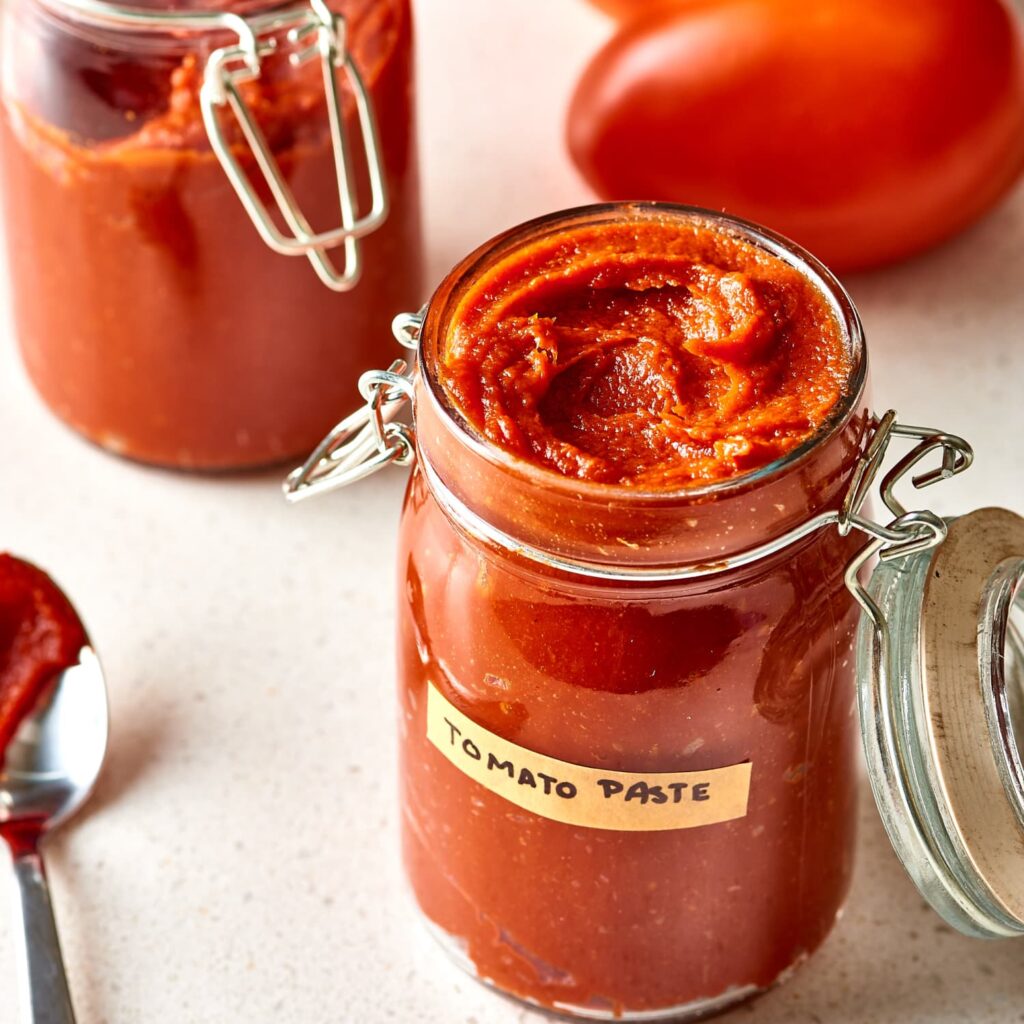
Making homemade tomato concentrate is a popular way to preserve tomatoes, and it’s often preferred over the traditional canned version. Unlike tomato sauce, which has a milder flavor and a looser consistency, tomato concentrate is characterized by its intense flavor and dense texture.
In this article, we’ll explore the process of making homemade tomato concentrate from scratch, including the benefits and drawbacks of using fresh or frozen tomatoes, the importance of pH levels and acidity, and how to adjust the flavor profile to suit your taste preferences. We’ll also cover topics such as pasteurization methods and times, food safety guidelines, and storage tips for your finished product.
Understanding the Flavor and Consistency of Homemade Tomato Concentrate
The taste and texture of homemade tomato concentrate can vary depending on how much water is drained from the homemade preserve. When making a tomato concentrate at home, it’s essential to understand that you’ll need to remove excess water to achieve the desired consistency and flavor.
To give you an idea of what to expect, here are some common characteristics of homemade tomato concentrates:
- Intense flavor: Homemade tomato concentrates have a rich, intense flavor profile that is often described as sweet and tangy.
- Dense texture: Concentrates are typically thicker and more gel-like in consistency than tomato sauce or soup.
- Acidity: Acidic tomatoes (such as San Marzano) are better suited for preserving because they require less pasteurization time.
A Step-by-Step Guide to Making Tomato Concentrate at Home
Making homemade tomato concentrate is a straightforward process that involves several steps:
- Wash and prepare the tomatoes: Wash the tomatoes thoroughly, cut them in half, and remove their seeds.
- Cook the tomatoes: Boil the tomatoes until they’re soft, then strain them with a cheese grater or food mill to remove excess water.
- Filter the concentrate: Use a cheesecloth or cotton cloth to filter out any remaining solids and excess liquid from your cooked tomatoes.
- Pasteurize the concentrate: Pasteurize your homemade tomato concentrate using a thermometer and a pot with a lid.
Traditional Method of Making Tomato Concentrate
One traditional method of making tomato concentrate involves using a cheesecloth or cotton cloth to filter out excess water from the cooked tomatoes. This slow process takes time, but it’s effective and results in a delicious homemade concentrate. Alternatively, you can speed up the process by cooking the tomatoes for 2-3 hours at low heat without covering them.
Alternative Method: Concentrating Tomato Sauce
If you don’t have the time or patience to filter out excess water from your tomato sauce, you can concentrate it by cooking it for an additional hour or two. This method is faster but may result in a slightly different flavor profile.
Choosing the Right Tomato Variety for Making Concentrate
In traditional Italian cuisine, the San Marzano variety of tomatoes is often used to make concentrates due to their higher acidity levels. Acidic tomatoes are better suited for preserving because they require less pasteurization time.
pH Levels and Their Impact on Tomato Concentrates
The pH level of tomatoes can vary between 3.9 and 4.6. To make high-quality tomato concentrates, it’s recommended to use acidic varieties with a lower pH level.
For example, if you’re using sweet tomatoes for your concentrate, you can adjust the flavor by adding lemon juice or sugar. For instance, if you’re using 2 cups of sweet tomatoes, add 2 tablespoons of lemon juice to balance out the flavor.
Pasteurization Methods and Times
To ensure food safety, it’s essential to pasteurize your homemade tomato concentrate. The recommended pasteurization time for a 1/2 kg (1 lb) jar is 35 minutes at 212°F (100°C). For smaller jars, you can reduce the pasteurization time accordingly.
FAQs
Q: What are the benefits of making my own tomato concentrate at home?
A: Making your own tomato concentrate at home allows you to control the quality and flavor of the ingredients, as well as avoid added preservatives and sugars found in commercial products.
Q: How do I ensure food safety when making homemade tomato concentrates?
A: To ensure food safety, it’s crucial to follow proper pasteurization procedures, use clean equipment, and store your homemade concentrate in airtight jars at a consistent refrigerator temperature below 40°F (4°C).
Q: What are the differences between San Marzano tomatoes and other varieties used for making concentrates?
A: San Marzano tomatoes are preferred for their higher acidity levels, which make them better suited for preserving. Other varieties may require additional adjustments to achieve the desired flavor profile.
Q: Can I use fresh or frozen tomatoes to make a tomato concentrate?
A: While you can use both fresh and frozen tomatoes to make a tomato concentrate, it’s recommended to use high-quality, ripe tomatoes for optimal flavor and texture results.
Q: How long does homemade tomato concentrate last in the fridge?
A: When stored properly in an airtight container at a consistent refrigerator temperature below 40°F (4°C), homemade tomato concentrate can last up to 6 months.
Q: Can I freeze my homemade tomato concentrate for later use?
A: Yes, you can freeze your homemade tomato concentrate, but it’s essential to follow proper freezing procedures and store the concentrate in an airtight container or freezer-safe jar. Frozen concentrates can be used within 8-12 months.
Conclusion
Making homemade tomato concentrate is a rewarding process that allows you to control the quality and flavor of your ingredients. By following our step-by-step guide, choosing the right tomatoes, and adjusting the flavor profile to suit your taste preferences, you can create a delicious and intense homemade tomato concentrate that’s perfect for adding depth and richness to your favorite dishes.


