
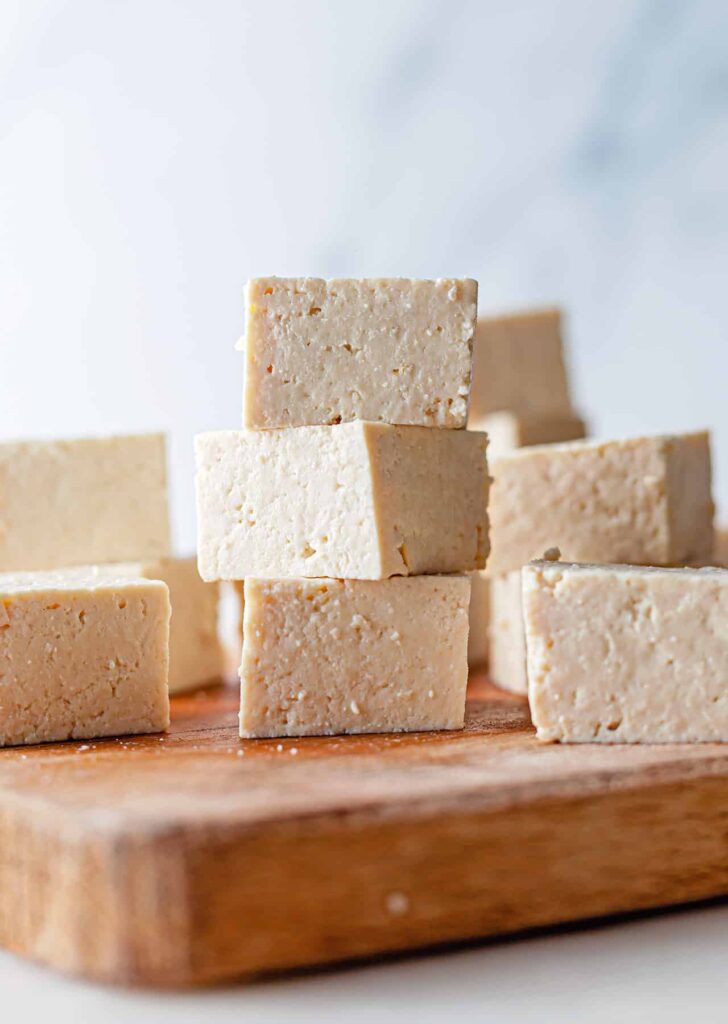
What is Tofu?
Tofu, short for “doubanjiang,” is a plant-based protein made from soybeans and is often used in vegan cuisine. It’s a versatile ingredient that can be marinated, pan-fried, or baked. In this article, we’ll explore the benefits of making tofu at home and provide you with a simple recipe to get started.
Why Make Tofu at Home?
Making tofu at home is not only cost-effective but also allows you to control the ingredients and flavors used in the process. Unlike store-bought tofu, which may contain additives like nigari (a type of magnesium chloride), making tofu at home ensures that your final product is free from artificial preservatives.
What is Nigari?
Nigari, also known as cloruro di magnesio, is a natural substance used to curdle soy milk and create the signature texture of tofu. While nigari can be added to store-bought tofu for better consistency, it’s not necessary for making tofu at home.
The Benefits of Making Tofu at Home
Here are just a few reasons why making tofu at home is a great idea:
- Cost-effective: Store-bought tofu can be expensive, especially if you’re purchasing high-quality options. By making your own tofu, you can save money and enjoy the benefits of fresh, natural ingredients.
- Customization: When you make tofu at home, you have complete control over the ingredients and flavors used in the process. This means that you can create unique and delicious recipes tailored to your tastes.
The Basics of Making Tofu
Making tofu requires just a few simple ingredients:
- 1 kg of soybeans
- 3 cups of hot water
- 1 cup of lemon juice
Here’s a step-by-step guide to making tofu at home:
Step 1: Soaking the Soybeans
Soak the soybeans in hot water for at least an hour. This will help soften the beans and make them easier to blend.
Step 2: Grinding the Soybeans
Grind the soaked soybeans into a smooth paste using a blender or food processor.
Step 3: Mixing with Water and Lemon Juice
Combine the ground soybeans with hot water and lemon juice in a large pot. Stir well and bring the mixture to a boil.
Step 4: Cooling and Pressing
Once the mixture has reached a temperature of around 180°F (82°C), reduce the heat and let it cool slightly. Line a colander with cheesecloth or a clean cotton cloth, and carefully pour the mixture into the lined colander. Let the mixture drain for several hours, or until most of the liquid has been removed.
Step 5: Shaping and Pressing
Transfer the drained soybean mixture to a tofu mold or a plate lined with a paper towel. Wrap a clean cloth around the mold or plate and apply pressure using a weight or a plate. Let the tofu press for at least an hour before removing it from the mold or plate.
Tips and Variations
Here are some tips and variations to keep in mind when making tofu at home:
- Use a high-quality soybean variety for the best flavor and texture.
- Adjust the amount of lemon juice to your taste, as more or less juice can affect the final product’s consistency.
- Experiment with different seasonings and herbs to create unique flavors.
- Try adding other ingredients like garlic, ginger, or chili peppers to give your tofu an extra kick.
Conserving Tofu
To keep your homemade tofu fresh for a longer period, follow these tips:
- Store the tofu in an airtight container in the refrigerator at a temperature of 40°F (4°C) or below.
- Suspend the tofu in brine solution (about 1 cup of water and 1 tablespoon of salt per quart) to prevent moisture from accumulating and causing spoilage.
Common Mistakes to Avoid
Here are some common mistakes to avoid when making tofu at home:
- Overheating the mixture: This can cause the tofu to become too firm or even burnt.
- Under-hydrating the soybeans: This can result in a dry, crumbly texture.
- Not pressing the tofu long enough: This can lead to a soft, soggy final product.
Troubleshooting
Here are some common issues that may arise when making tofu at home and how to troubleshoot them:
- Tofu is too firm: Check that you’re using the right amount of lemon juice and adjusting the temperature accordingly.
- Tofu is too soft: Ensure that you’re not over-hydrating the soybeans or pressing the tofu for too short a time.
Conclusion
Making tofu at home is a simple and rewarding process that allows you to control the ingredients and flavors used. With this guide, you’ll be able to create delicious and versatile tofu recipes tailored to your tastes. Happy cooking!
Frequently Asked Questions (FAQs)
Here are some common questions and answers related to making tofu at home:
- What is nigari?
Nigari is a type of magnesium chloride used to curdle soy milk and create the signature texture of tofu. - Why make tofu at home?
Making tofu at home allows you to control the ingredients and flavors used, saving money and ensuring fresh, natural products. - What are some common variations in tofu recipes?
Some common variations include adding garlic, ginger, or chili peppers for extra flavor. - How can I store my homemade tofu?
Store your tofu in an airtight container in the refrigerator at 40°F (4°C) or below to keep it fresh for longer.


