
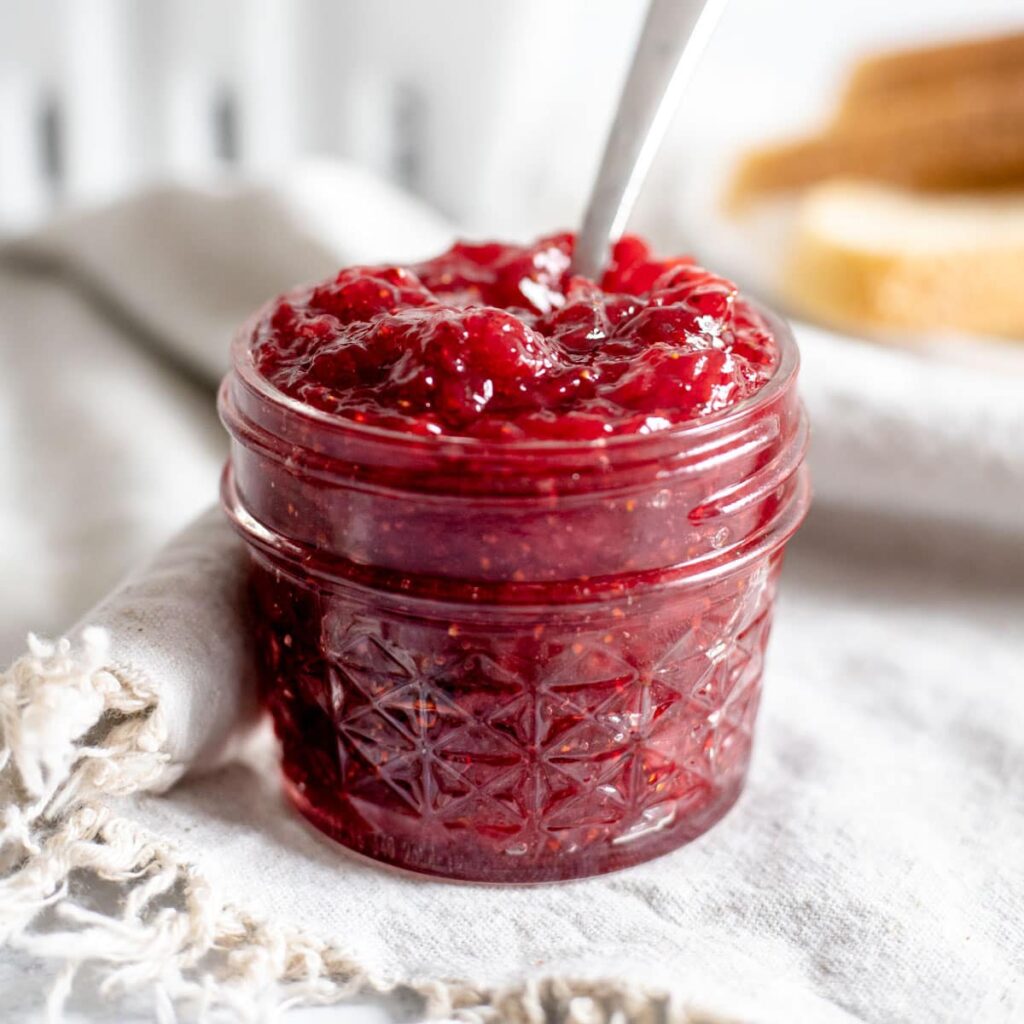
Strawberries are one of those delicious fruits that can add a burst of flavor and sweetness to our lives in countless ways – from desserts like shortcakes and ice cream sundaes, to savory dishes like salads and even as a topping for yogurt or oatmeal. But what makes strawberries truly special is their availability window. From April to June, these luscious red fruits are at their peak freshness, and it’s the perfect time to try making homemade strawberry jam.
A Brief History of Strawberry Jam
Before we dive into the recipe, let’s take a quick trip down memory lane and explore the history of strawberry jam. In Italy, where strawberries are abundant during the summer months, jam-making has been a tradition for centuries. The first recorded jam-making recipes date back to the 17th century, when homemakers would preserve strawberries using sugar and lemon juice to create a sweet and tangy spread.
Why Make Homemade Strawberry Jam?
So why should you make homemade strawberry jam? For starters, it’s an excellent way to preserve your summer harvest of fresh strawberries. By making your own jam, you can enjoy the fruits of your labor throughout the year, without having to rely on commercial brands that might contain preservatives or additives.
Moreover, making homemade strawberry jam is a fun and rewarding process that allows you to experiment with different flavors and ingredients. Want to add a hint of spice to your jam? Try using cinnamon or cardamom! Want to create a more intense flavor profile? Use more strawberries or reduce the amount of sugar!
The Importance of Freshness
When it comes to making homemade strawberry jam, freshness is key. To ensure that your jam turns out perfectly, you’ll need to use fresh strawberries that are free from blemishes and moldy parts.
Here are some tips for selecting the perfect strawberries:
- Choose strawberries with a bright red color and no signs of mold or rot.
- Avoid strawberries with brown spots or soft areas, as they can affect the jam’s texture and flavor.
- Consider using “wild strawberries” – these small, sweet fruits are highly prized for their intense flavor.
The Secret to Perfect Homemade Strawberry Jam
So what’s the secret to making perfect homemade strawberry jam? The answer lies in cooking down those fresh strawberries until they release their natural juices and create a rich, syrupy consistency. Here are some tips to help you achieve that perfect texture:
- Use an iron pot – this will help to distribute heat evenly and prevent scorching.
- Cook the strawberries over low heat – high heat can burn the jam and leave it tasting bitter.
- Stir occasionally – this will ensure that all the strawberries cook evenly and don’t stick to the bottom of the pot.
The Recipe
Now that we’ve covered the basics, let’s move on to the recipe! Here’s what you’ll need:
- 2 kilograms of fresh strawberries
- 800 grams of sugar
- 1 lemon juice
- Sterilized jars with tight lids
Instructions for Making Homemade Strawberry Jam:
- Wash the strawberries thoroughly and pass them through a colander to remove excess water.
- Place the strawberries in a bowl and add some sugar, followed by lemon juice. Let it macerate for at least 2 hours.
- After the time has passed, place the strawberries in an iron pot and add the remaining sugar. Cook over low heat until the strawberry jam thickens.
- Pour the homemade strawberry jam into sterilized jars after ensuring they are completely sterilized.
- Close the jars tightly and place them upside down on a shelf for about 1 hour.
Tips and Variations
Before we wrap up, let’s talk about some additional tips and variations to enhance your homemade strawberry jam:
- Use less sugar – if you prefer a less sweet jam, reduce the amount of sugar in the recipe.
- Add spices or herbs – consider adding cinnamon, cardamom, or basil to create unique flavor profiles.
- Try using different types of sugar – honey, agave nectar, or maple syrup can add distinct flavors and textures.
Conclusion
Making homemade strawberry jam is a fun and rewarding process that allows you to preserve your summer harvest and experiment with different flavors. By following this recipe and tips, you’ll be able to create a delicious and tangy spread that’s perfect for topping toast, yogurt, or even using as a filling for cakes and pastries.
So go ahead – give homemade strawberry jam a try! Your taste buds (and your guests) will thank you.
Frequently Asked Questions
Q: How do I store homemade strawberry jam?
A: Store the jars in a cool, dark place for up to 6 months. Make sure to check the jam regularly for signs of spoilage or mold.
Q: Can I make homemade strawberry jam with frozen strawberries?
A: While you can use frozen strawberries, they may not produce the same level of flavor and texture as fresh strawberries. However, if you do decide to use frozen strawberries, be sure to thaw them first and pat dry before using.
Q: What’s the difference between “wild strawberries” and regular strawberries?
A: Wild strawberries are smaller and more intense in flavor than regular strawberries. They also have a slightly different texture and are often found in wild environments.
Q: Can I make homemade strawberry jam with other types of fruit?
A: While strawberries are ideal for making jam, you can experiment with other fruits like raspberries, blueberries, or peaches to create unique flavor profiles.
Q: How do I know if my homemade strawberry jam is ripe and ready to eat?
A: The jam should be thick and syrupy, with a sweet and tangy flavor. If it’s too thin, continue cooking until the desired consistency is reached.
Q: Can I make homemade strawberry jam in advance?
A: Yes! You can make the jam up to 2 weeks in advance and store it in the fridge for longer. However, be sure to check the jam regularly for signs of spoilage or mold.
Q: Is homemade strawberry jam safe to eat if it’s past its expiration date?
A: If the jam has been properly sterilized and stored, it should remain safe to eat even after its expiration date. However, always inspect the jam for signs of spoilage or mold before consuming.
Q: Can I make homemade strawberry jam with artificial sweeteners like stevia or aspartame?
A: While you can experiment with different sweeteners, we recommend using natural sugars like sugar, honey, or agave nectar to ensure the best flavor and texture.


