
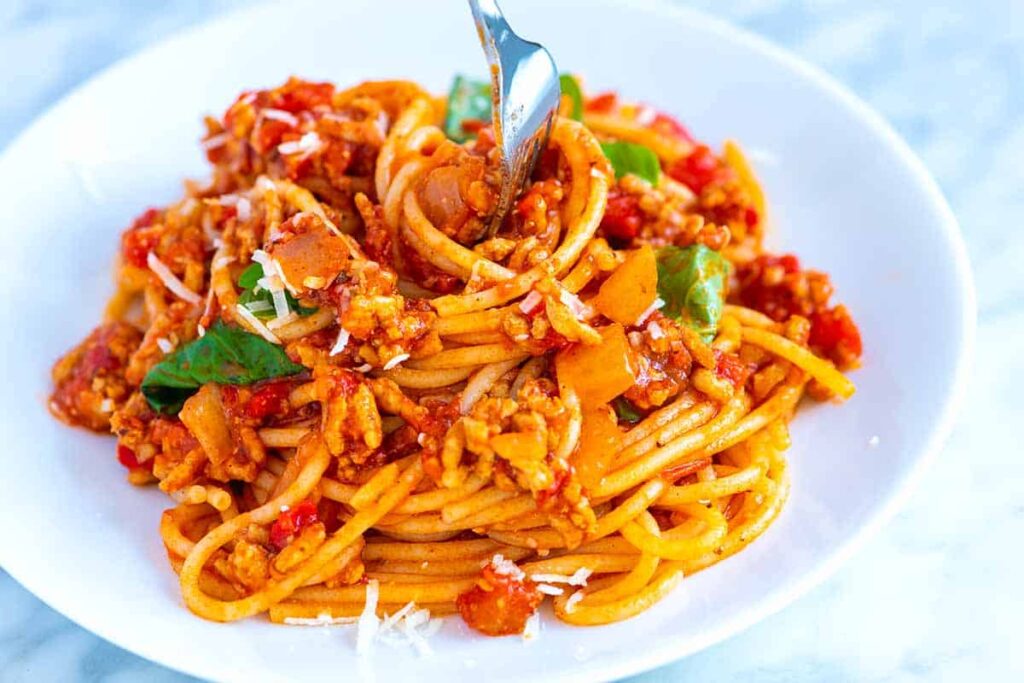
Are you ready to take your pasta game to the next level? Making homemade spaghetti can be a culinary journey that will leave you wanting more. In this article, we’ll guide you through the process of creating delicious, homemade spaghetti that will make you feel like a true chef.
What You Need to Know Before Starting
Before we dive into the recipe, let’s talk about what makes great homemade spaghetti. It all starts with high-quality ingredients. Choose the best flour, eggs, and salt you can find, as they’ll greatly impact the final result.
The Essential Ingredients for Homemade Spaghetti
Here are the basic ingredients you’ll need to make your homemade spaghetti:
- 400 grams of “00” flour
- 4 fresh eggs
- Salt (to taste)
Preparing Your Dough
Now that you have all your ingredients, it’s time to prepare your dough. Start by spreading out the flour on a clean surface, creating a smooth “fontana.” Crack in your eggs and use a fork to break them up. Gradually incorporate the flour into the mixture, using a gentle touch (especially if this is your first time). Work the dough with the heel of your hand, applying pressure to develop gluten.
Kneading Your Dough
This is where things can get tricky! Knead your dough for about 10 minutes, working it until it becomes smooth and elastic. If the dough starts to dry out, add a little more flour – but be careful not to overdo it!
Resting Your Dough
Once you’ve kneaded your dough, let it rest for at least 30 minutes. This will allow the gluten to relax, making the dough easier to work with.
Rolling Out Your Pasta
Now that your dough has rested, it’s time to roll out your pasta. Use a traditional rolling pin or a machine (we’ll get to those in a minute) to flatten your dough into thin sheets.
Tips for Rolling Out Your Pasta
Here are a few tips to keep in mind when rolling out your pasta:
- Work the dough gently but firmly
- Keep the rolling surface at room temperature
- Don’t over-roll – this can make the pasta too thin and fragile
Shaping Your Spaghetti
Once you’ve rolled out your pasta, it’s time to shape your spaghetti. Use a sharp knife or pasta cutter to create long, thin strands.
Using a Pasta Machine
If you have a pasta machine at home, now is the perfect time to use it! These machines can help you achieve perfectly uniform pasta in just a few minutes.
Cutting Your Spaghetti with a Torchio
A torchio (or “spaghettio” as we affectionately call it) is a traditional tool used to cut pasta into long, thin strands. Simply place your freshly rolled-out spaghetti onto the torchio and gently press down – voilà! You’ve got perfectly cooked spaghetti.
Coking Your Spaghetti
The final step in making homemade spaghetti is cooking it. Bring a large pot of salted water to a boil and cook your spaghetti for 2-4 minutes, or until it’s al dente (firm to the bite).
Tips for Cooking Your Spaghetti
Here are a few tips to keep in mind when cooking your spaghetti:
- Use plenty of salted water
- Don’t overcook – this can make the pasta mushy and unappetizing
Serving Suggestions
Now that you’ve made your homemade spaghetti, it’s time to think about how you’ll serve it. Here are a few ideas:
- Classic tomato sauce: a timeless favorite!
- Pesto: add some basil and parmesan for an extra boost of flavor
- Aglio e olio: simple yet satisfying!
Tips for Pairing Your Spaghetti with Sauce
Here are a few tips to keep in mind when pairing your spaghetti with sauce:
- Start with a classic tomato sauce, then experiment with different flavors and combinations
- Don’t overdo it – sometimes less is more when it comes to sauces
- Consider adding some extra ingredients like garlic, herbs, or nuts for added flavor
Conclusion
Making homemade spaghetti is a fun and rewarding experience that will leave you with delicious, restaurant-quality pasta. With these simple steps and tips, you’ll be on your way to becoming a pasta master in no time.
Frequently Asked Questions
Here are some frequently asked questions about making homemade spaghetti:
Q: Why is it important to use high-quality ingredients?
A: Using high-quality ingredients will greatly impact the final result of your pasta. Choose the best flour, eggs, and salt you can find!
Q: How do I knead my dough without overworking it?
A: Kneading too much can make the dough tough and unyielding. Work gently but firmly to develop gluten.
Q: Can I use a stand mixer to roll out my pasta?
A: Yes! A stand mixer with a pasta attachment can be a huge time-saver. Just be sure to adjust your rolling pin accordingly.
Q: What’s the best way to store leftover spaghetti?
A: Leftover spaghetti should be stored in an airtight container and refrigerated or frozen immediately. Reheat gently before serving.
Q: Can I make homemade spaghetti ahead of time?
A: While it’s best to cook spaghetti fresh, you can prepare your dough and roll out the pasta up to 24 hours in advance. Just store it in an airtight container and let it rest at room temperature for about 30 minutes before rolling it out.
Q: What are some popular sauce options for homemade spaghetti?
A: Classic tomato sauce, pesto, aglio e olio – these are just a few ideas to get you started!
Q: Can I use a pasta machine with a different type of flour?
A: Yes! However, keep in mind that using a different type of flour may affect the final texture and flavor of your pasta.
Q: How do I prevent my spaghetti from sticking together while cooking?
A: To prevent sticking, make sure to salt the water generously and don’t overcrowd the pot.
Advanced Pasta-Making Techniques
If you’re feeling adventurous, try experimenting with some advanced pasta-making techniques:
- Hand-rolling: Use your hands to roll out the dough into thin sheets. This can be a bit more challenging, but it allows for a higher degree of control over the final product.
- Pasta extrusion: Use a machine specifically designed for pasta extrusion to create unique shapes and flavors.
- Wood-fired cooking: Cook your spaghetti in a wood-fired oven for a smoky, authentic Italian flavor.
Tips for Making Homemade Pasta at Home
Here are some tips to keep in mind when making homemade pasta at home:
- Invest in good-quality ingredients: this will make a huge difference in the final result.
- Practice makes perfect: don’t be discouraged if your first few attempts at making pasta don’t turn out perfectly – you’ll get better with practice!
- Experiment with different shapes and flavors: try making different types of pasta, like spaghetti, linguine, or fettuccine.
Conclusion
Making homemade spaghetti is a fun and rewarding experience that will leave you with delicious, restaurant-quality pasta. With these simple steps and tips, you’ll be on your way to becoming a pasta master in no time. Happy cooking!


