
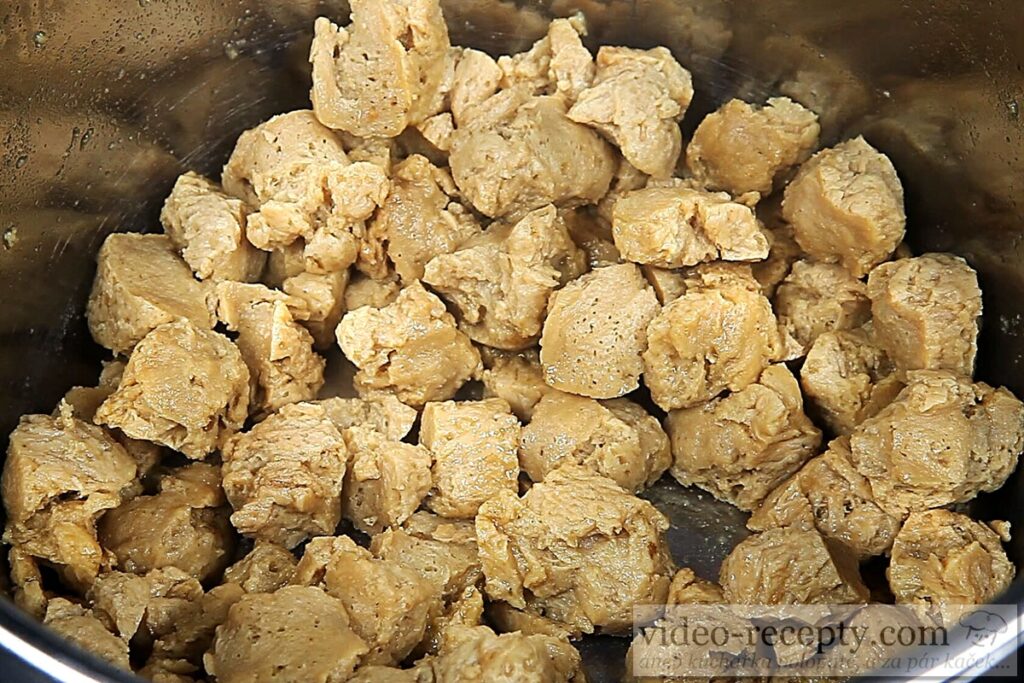
As a vegetarian or vegan, you’re probably familiar with tempeh, also known as “soy meat.” But have you ever wondered where this popular food comes from? In this article, we’ll delve into the world of tempeh and explore its benefits, as well as why making it at home is a great idea.
What is Tempeh?
Tempeh is made from fermented soybeans, which are rich in vitamins, minerals, and protein. The fermentation process involved in making tempeh increases the bioavailability of these nutrients, making them more easily absorbed by the body. This process also reduces the levels of acrylamide, a potential carcinogen found in many processed foods.
Tempeh has been a staple food in Indonesia for centuries, where it’s known as “tempeh.” The fermentation process involved in making tempeh is similar to that used to make miso and soy sauce. In fact, the Indonesian term “tempeh” literally means “fermented soybean product.”
Why is Tempeh a Great Choice?
Tempeh is an excellent source of protein and fiber, making it an ideal option for vegetarians and vegans. It’s also lower in calories and fat compared to other meat alternatives. But what really sets tempeh apart is its ability to promote the growth of beneficial gut bacteria. This can lead to a stronger immune system and improved overall health.
Tempeh contains probiotics, which are live microorganisms that help support digestive health. These probiotics can also help boost the immune system by increasing the production of antibodies in the body. Additionally, tempeh is high in antioxidants, which can help protect against oxidative stress and inflammation.
The Problem with Store-Bought Tempeh
Unfortunately, many store-bought tempehs are lacking in terms of nutritional value. They often contain low levels of vitamins B12 and other essential nutrients, and may not even have the beneficial gut bacteria that fermented tempeh should have. This is because many commercial tempeh products use a different type of fungus that doesn’t promote the same level of nutrient production.
Commercially produced tempehs are often made using a process called “heat treatment,” which involves heating the soybeans to high temperatures before fermenting them. This process can kill off some of the beneficial bacteria and reduce the nutritional value of the final product.
Making Tempeh at Home: A Game-Changer
So why make tempeh at home? By using the right ingredients and fermentation process, you can create a tempeh that’s not only nutritious but also delicious. With our simple recipe, you’ll be able to make your own tempeh in no time.
Ingredients:
- 1 cup dried soybeans
- 1/2 cup mushroom ferment (Rhizopus oligosporus)
- 1/4 cup acetic acid mixture
Instructions:
- Soak the soybeans in water for several hours.
- Drain and rinse the soybeans, then cook them in water until they’re tender.
- Add the mushroom ferment and acetic acid mixture to the cooked soybeans.
- Transfer the mixture to a large container and let it ferment at 30°C (86°F) for 24 hours.
Tips and Variations:
- To reduce the smell of ammonia, you can add some herbs or spices to the fermentation process.
- Experiment with different flavors by adding your favorite seasonings to the tempeh after it’s been fermented.
- Tempeh is a versatile ingredient that can be used in a variety of dishes, from stir-fries to salads.
Choosing the Right Mushroom Ferment
When selecting a mushroom ferment for making tempeh, it’s essential to choose one that contains Rhizopus oligosporus. This fungus is specifically designed to promote the fermentation process and increase the nutritional value of the final product.
There are several types of mushroom ferments available on the market, including:
- Koji (Aspergillus oryzae)
- Miso (Aspergillus sojae)
- Tempeh starter (Rhizopus oligosporus)
Koji is a type of fungus that’s commonly used in Japanese cooking. It’s often used to make miso, soy sauce, and sake.
Miso is another type of fungus that’s commonly used in fermentation processes. It’s made by fermenting soybeans with koji, which produces a rich, savory paste.
Tempeh starter is a special type of fungus specifically designed for making tempeh. It contains Rhizopus oligosporus and is available at most health food stores or online.
The Science Behind Fermentation
Fermentation is a process that involves the action of microorganisms on organic matter. In the case of tempeh, fermentation involves the action of Rhizopus oligosporus on soybeans.
During fermentation, the fungus breaks down some of the complex carbohydrates in the soybeans and converts them into simpler compounds like glucose and amino acids. This process also releases beneficial enzymes that help to break down protein and improve its digestibility.
Fermentation Time and Temperature
The time and temperature required for fermentation will depend on the specific type of tempeh you’re making. In general, a longer fermentation time at a higher temperature can produce a more nutritious final product.
For homemade tempeh, it’s recommended to ferment the mixture for 24-48 hours at a temperature of around 30°C (86°F). This will allow the fungus to break down some of the complex carbohydrates and release beneficial enzymes.
Storage and Shelf Life
Homemade tempeh can be stored in an airtight container in the fridge or freezer. It’s recommended to consume homemade tempeh within a week or two of making it, as it may spoil if not properly stored.
Store-bought tempehs, on the other hand, can last for several months in the fridge. However, their nutritional value and flavor may be affected by the heat treatment process used during production.
Conclusion:
Making tempeh at home is a simple and rewarding process that allows you to control the ingredients and fermentation process. With our recipe, you’ll be able to create a delicious and nutritious tempeh that’s perfect for vegetarians and vegans. So why wait? Give tempeh-making a try today!
Frequently Asked Questions:
- Q: What is the difference between tempeh and tofu?
A: Tempeh is made from fermented soybeans, while tofu is made from soy milk. - Q: Can I use other types of fungus for fermenting tempeh?
A: While it’s possible to experiment with different fungi, Rhizopus oligosporus is the most commonly used and recommended type. - Q: How long does tempeh typically last?
A: Store-bought tempeh can last for several months in the fridge, while homemade tempeh should be consumed within a week or two of making it. - Q: Can I make tempeh without a mushroom ferment?
A: While it’s possible to use other ingredients as a substitute, Rhizopus oligosporus is the best option for promoting nutrient production and beneficial gut bacteria. - Q: Is tempeh suitable for people with soy allergies?
A: Tempeh is made from fermented soybeans, so it may not be suitable for people with soy allergies. However, some brands offer soy-free versions of tempeh.
Tips for Improving Nutritional Value
Here are a few tips for improving the nutritional value of your homemade tempeh:
- Use organic and non-GMO soybeans whenever possible.
- Experiment with different types of fungus to see which one produces the most beneficial compounds.
- Add probiotics or other beneficial microorganisms to the fermentation process to promote gut health.
- Consider adding nutrient-dense ingredients like vegetables, fruits, or nuts to the tempeh mixture for added nutrition.
Conclusion:
Making tempeh at home is a simple and rewarding process that allows you to control the ingredients and fermentation process. With our recipe and tips, you’ll be able to create a delicious and nutritious tempeh that’s perfect for vegetarians and vegans. So why wait? Give tempeh-making a try today!


