
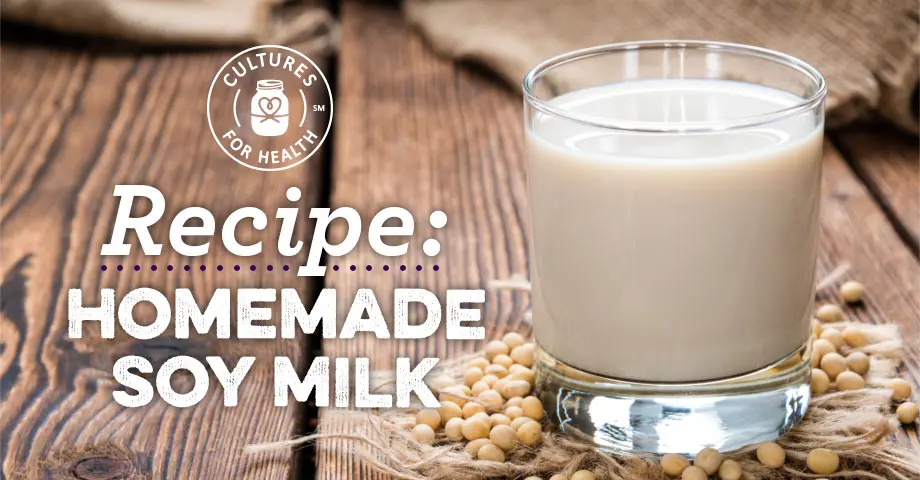
As a vegetarian or vegan, you may have considered trying soy milk as a dairy-free alternative. However, store-bought soy milk can be pricey and often contains additives like sugar, salt, and flavorings. Making your own soy milk at home is a simple and cost-effective way to enjoy this nutritious beverage. In this article, we’ll explore the benefits of homemade soy milk, its nutritional profile, and provide a step-by-step recipe to get you started.
What is Soy Milk?
Soy milk is made from soybeans, water, and sometimes additional ingredients like thickeners or flavorings. It’s an excellent source of protein, fiber, and other essential nutrients. Unlike dairy milk, soy milk is lactose-free and doesn’t contain casein, a protein that can cause allergic reactions in some individuals.
Benefits of Homemade Soy Milk
Making your own soy milk at home offers several benefits:
- Lower cost: Buying soybeans in bulk and making your own milk can be significantly cheaper than purchasing store-bought milk.
- Customization: You can adjust the flavor, consistency, and nutritional content to suit your preferences.
- Reduced additives: By making your own milk, you can avoid unnecessary additives like sugar, salt, and preservatives.
Nutritional Profile of Homemade Soy Milk
Homemade soy milk is a nutrient-rich beverage that provides:
- 33 kcal per 100ml (compared to 54 kcal in commercial milk)
- High-quality protein: comparable to cow’s milk
- Fiber content: supports digestive health
- Low cholesterol: without the presence of animal-derived cholesterol
Ingredients and Equipment Needed
To make homemade soy milk, you’ll need:
- 180g of dried soybeans (soy gialla biologica)
- 1.8 liters of water
- Vanilla extract (optional)
- Cheesecloth or a coffee filter for straining
Step-by-Step Recipe
To make homemade soy milk, follow these steps:
- Soak the soybeans in water for 24 hours.
- Drain and rinse the soybeans, then transfer them to a blender or food processor with some hot water.
- Blend the mixture until it’s smooth and creamy.
- Strain the mixture through a cheesecloth or coffee filter into a large bowl.
- Discard the solids (okara) and reserve the liquid milk.
- Filter the milk again using a finer-mesh strainer or cheesecloth, if desired.
- Store the homemade soy milk in the refrigerator for up to 3 days.
Tips and Variations
- Use a vanilla pod instead of extract for added flavor.
- Add other ingredients like sea salt, dates, or cinnamon to create unique flavor profiles.
- Experiment with different types of milk (e.g., almond, oat, or coconut) for varied nutritional benefits.
Benefits of Using Different Types of Soybeans
Using different types of soybeans can impact the taste and nutritional content of your homemade soy milk. Some popular options include:
- Yellow Soybeans: These are a good choice for beginners, as they have a mild flavor and high protein content.
- White Soybeans: These have a slightly sweeter taste than yellow beans and contain more isoflavones.
- Red Soybeans: These have a stronger, nuttier flavor and may require longer soaking times.
Benefits of Using Different Grind Sizes
The grind size of your soybeans can also impact the texture and consistency of your homemade soy milk. Some options include:
- Fine Grind: This produces a smooth, creamy texture that’s ideal for those with sensitive stomachs.
- Medium Grind: This creates a slightly chunky texture that’s perfect for adding to cereal or oatmeal.
Benefits of Adding Thickeners
If you prefer your soy milk thicker and creamier, consider adding natural thickeners like:
- Tapioca Starch: A popular choice among soy milk enthusiasts.
- Almond Meal: Adds a nutty flavor and silky texture.
Conclusion
Homemade soy milk is a simple and nutritious beverage that can be enjoyed by vegans and non-vegans alike. By making your own milk at home, you can save money, avoid additives, and customize the flavor to suit your preferences. With this recipe and some basic equipment, you’re ready to start brewing your own delicious soy milk.
FAQs
- Is homemade soy milk safe to drink?
Homemade soy milk is perfectly safe to consume as long as it’s made with clean equipment and stored properly. - Can I use other types of soybeans?
While you can experiment with different types of soybeans, make sure they’re labeled as “soy gialla” or “soy white” for optimal results. - How do I store homemade soy milk?
Store the milk in an airtight container in the refrigerator and consume within 3 days. - Can I add sweeteners to my homemade soy milk?
Yes, you can add natural sweeteners like honey, maple syrup, or dates to your soy milk if desired. - Is homemade soy milk suitable for infants?
Consult with a pediatrician before giving homemade soy milk to an infant, as they may have specific dietary needs and allergies. - Can I make soy milk in bulk?
Yes, you can prepare larger batches of soy milk by simply scaling up the recipe and storing it in the refrigerator or freezer. - How do I remove the okara (soy pulp)?
The okara can be used as a natural fertilizer, animal feed, or composted to create nutrient-rich soil amendment. - Can I use other types of milk thickeners?
While soybeans are commonly used for making soy milk, you can experiment with other milks like almonds, oats, or coconut to create unique flavor profiles and textures.
Additional Tips and Tricks
- Use a high-speed blender or food processor to ensure smooth blending.
- Soak the soybeans in water for at least 24 hours to reduce cooking time.
- Experiment with different ratios of soybeans to water to find your ideal consistency.


