
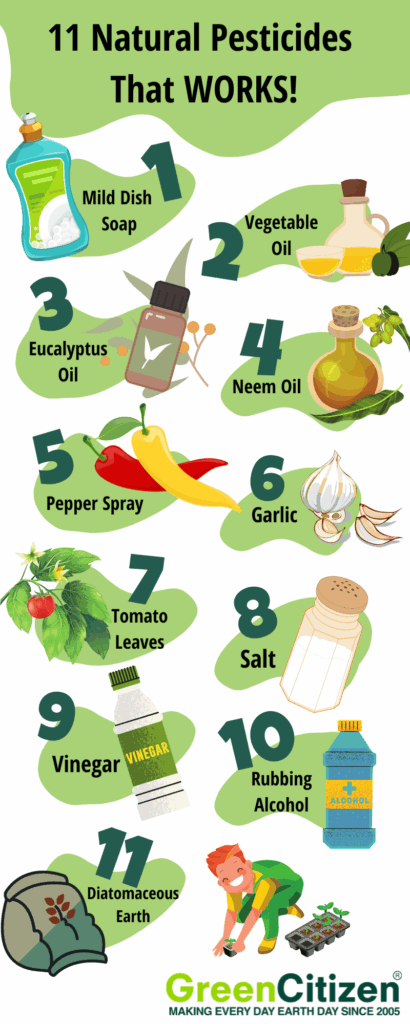
As we talk about plant pests, we’re referring to organisms from completely different nature, as plant pests can be animals, vegetables, fungi, bacteria, viruses, viroids, and phytoplasms. When we mention homemade antiparasitics in this article, we’re referring to natural remedies that target animal pests such as aphids, mealybugs, spider mites, and more. We’ll also explore a homemade remedy to eliminate fungal diseases.
Before using homemade antiparasitics, it’s essential to protect plants from various adversities through appropriate agricultural interventions: deep plowing before planting, precise pruning, crop rotations, and fertilizations. Additionally, protecting plants from cold temperatures and pollutants makes them weaker.
Homemade antiparasitics are more effective when used at the first signs of infestation. Regularly inspecting plants and cultivation can help you detect early symptoms. Many homemade antiparasitics prepare using infusions, macerations, and decoctions.
Fungal Diseases: Bicarbonate as a Natural Solution
The bicarbonate of soda is a valid alternative to sulfur for controlling fungal diseases. Mix 1 tablespoon of baking soda with every liter of water to irrigate the surrounding soil. This natural solution can help control diseases such as rust, grey mildew, and powdery mildew.
How Bicarbonate Works:
- The bicarbonate in the mixture helps raise the pH level of the soil, making it less conducive to fungal growth.
- Additionally, baking soda has antifungal properties that directly target fungal pathogens.
Homemade Antiparasitics Against Common Pests
Aphids (Aphid Pests), Acari, Rust, Grey Mildew, and Powdery Mildew
- Garlic Infusion: Mix 8 cloves of garlic with a liter of water and bring to a boil for 10 minutes. When the infusion cools down, spray it on infested plants. Repeat the treatment once or twice a week until the problem is resolved.
- Pepper Spray: Dissolve 2 grams of dried pepper in every liter of water. Stir well and apply the solution to infested plants once a week.
Aphids, Mealybugs, and Slugs
- Red Chili Pepper Spray: Mix 2 grams of red chili powder with every liter of water. Stir well and spray it on infested plants once a week.
General Tips for Using Homemade Antiparasitics
- Always test a small area of the plant before applying any homemade antiparasitic remedy.
- Repeat treatments as necessary, but avoid overusing them to prevent damaging the plant’s natural defenses.
- To treat potted plants, try interrading the garlic or chili pepper mixture near the roots.
Using Neem Oil: A Natural Pest Control Method
Neem oil is a widely used homemade antiparasitic that has been shown to be effective against various pests. Here are some tips for using neem oil:
- Preparation: Mix 2 teaspoons of neem oil with every liter of water.
- Spray the solution on infested plants once a week.
Neem Oil’s Mechanism:
- Neem oil contains azadirachtin, which disrupts the hormone system of pests and prevents them from reproducing.
- Additionally, neem oil has antifungal properties that can help control fungal diseases.
Using Soap Solution: A Homemade Antiparasitic Method
Soap solution is another effective homemade antiparasitic that can be used to control various pests. Here are some tips for using soap solution:
- Preparation: Mix 1 tablespoon of mild dish soap with every liter of water.
- Spray the solution on infested plants once a week.
Soap Solution’s Mechanism:
- Soap solution disrupts the pest’s exoskeleton and prevents them from reproducing.
- Additionally, soap solution has antifungal properties that can help control fungal diseases.
Homemade Antiparasitics for Fungal Diseases
In addition to controlling animal pests, homemade antiparasitics can also be used to eliminate fungal diseases. Here are some tips for using homemade antiparasitics against fungal diseases:
- Copper Solution: Mix 1 gram of copper sulfate with every liter of water.
- Spray the solution on infested plants once a week.
Using Copper: A Natural Fungicide
Copper is a natural fungicide that has been used for centuries to control fungal diseases. Here are some tips for using copper:
- Preparation: Mix 1 gram of copper sulfate with every liter of water.
- Spray the solution on infested plants once a week.
Copper’s Mechanism:
- Copper disrupts the fungal cell wall and prevents them from reproducing.
- Additionally, copper has antibacterial properties that can help control bacterial diseases.
By combining homemade antiparasitics with good agricultural practices and a healthy understanding of your plants’ needs, you can create an effective defense against pests and promote a thriving garden.


