
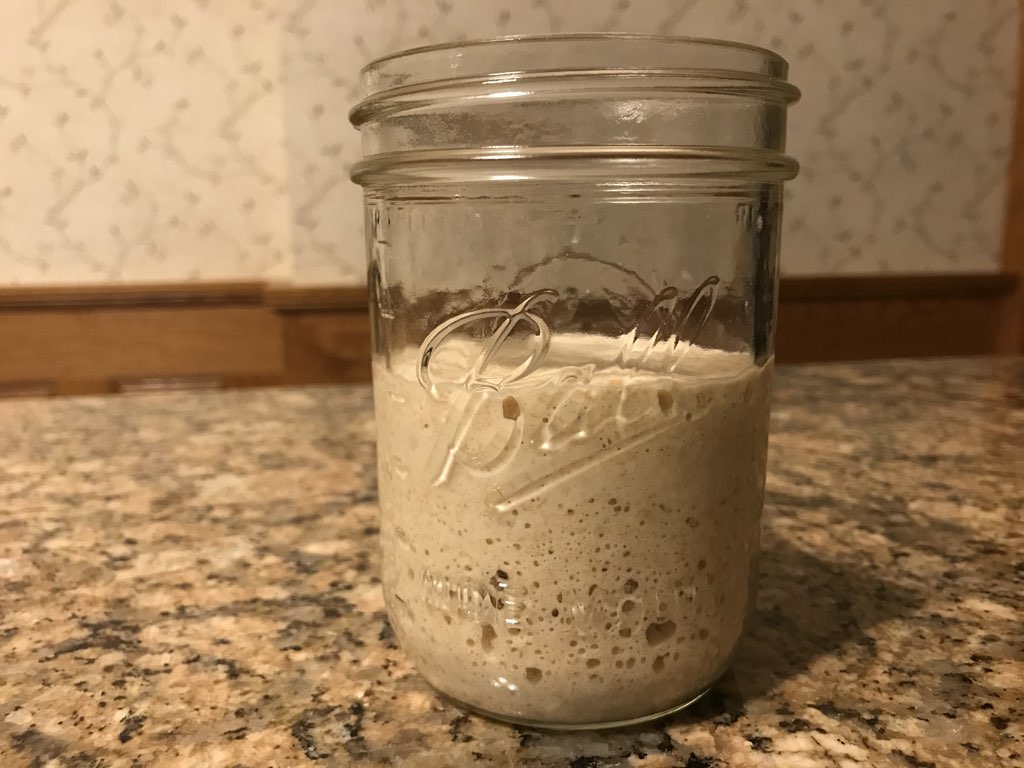
The Art of Making Natural Yeast at Home: A Guide to Making Your Own Starter Dough
What is Natural Yeast?
Natural yeast, also known as starter dough, is a traditional method of leavening bread that uses microorganisms to ferment the sugars in the dough, producing carbon dioxide gas and creating the light, airy texture of homemade bread. This approach has gained popularity in recent years due to its health benefits, cost-effectiveness, and the ability to create unique flavor profiles.
Natural yeast is created by allowing a mixture of flour and water to sit at room temperature for several days, allowing wild yeast and bacteria present on the flour to ferment and produce carbon dioxide gas. This process can take anywhere from 7-14 days, depending on factors such as temperature, humidity, and the type of flour used.
Why Choose Natural Yeast?
While commercial yeast can provide quick results, natural yeast offers several advantages:
- Better Digestibility: Natural yeast produces a slower release of carbon dioxide, resulting in a more digestible bread.
- Unique Flavor Profile: The diverse species of bacteria and yeast used in natural fermentation create a richer, more complex flavor profile.
- Cost-Effective: Natural yeast is often cheaper than commercial yeast and can be made at home with minimal equipment.
- Environmental Benefits: By using locally sourced ingredients and reducing packaging waste, natural yeast production has a lower environmental impact.
The History of Natural Yeast
Natural yeast production dates back to ancient times, with evidence of starter dough use found in various cultures around the world. The art of making natural yeast was passed down through generations, with each culture developing its unique techniques and recipes.
In ancient Egypt, bakers used a mixture of emmer wheat and water to create a natural yeast that allowed them to make delicious bread without commercial yeast. Similarly, in ancient Greece and Rome, people used a mixture of flour and water to create a natural starter that was used to leaven their bread.
Choosing the Right Ingredients
To make natural yeast at home, you’ll need:
- 100g of Whole Wheat Flour: A high-protein flour will help create a healthier starter.
- 100ml of Water
- A Spatula
- A Glass Jar with a Tight-Fitting Lid (such as a Mason Jar)
- A Clean Utensil for Mixing
- Cheesecloth or a Coffee Filter for Straining
Instructions for Making Natural Yeast
- In a clean glass jar, mix together the flour and water until well combined.
- Cover the jar with a tight-fitting lid and let it sit in a warm place (around 75°F to 80°F) for 24-48 hours. This is called “sponge” or “spontaneous fermentation.”
- After 24-48 hours, discard half of the starter and add another 100g of flour and 100ml of water.
- Repeat the process of discarding half of the starter and feeding it fresh flour and water every 24 hours for the next 5-7 days. This will help create a healthy balance of bacteria and yeast.
Tips and Tricks
- Make sure to use filtered water to avoid any chlorine or other impurities that can affect the fermentation process.
- Keep the starter at room temperature (around 70°F to 75°F) during the day, but refrigerate it at night to slow down fermentation.
- If you notice mold or unpleasant odors, discard the starter and start again.
Common Issues with Natural Yeast
Natural yeast can be finicky, and there are several common issues that may arise:
- Slow Fermentation: If the fermentation process is too slow, it may take longer than expected for the starter to become active.
- Too Much Yeast: Too much yeast can cause the bread to rise too quickly, leading to an unpleasant texture.
- Mold or Unpleasant Odors: Mold or unpleasant odors in the starter can be a sign of contamination.
Troubleshooting Natural Yeast
If you encounter any issues with your natural yeast starter, here are some troubleshooting tips:
- Check the temperature: Make sure the starter is at room temperature (around 70°F to 75°F) during the day, but refrigerate it at night to slow down fermentation.
- Check for mold or unpleasant odors: If you notice mold or unpleasant odors in the starter, discard the starter and start again.
- Check for over-fermentation: If the bread is too dense or has an unpleasant texture, check if the starter has fermented too much.
Using Your Natural Yeast Starter
Once your starter is active and bubbly, you can use it in a variety of recipes. Here are some ideas:
- Pizza: Use 10% to 20% of the total flour weight in your recipe.
- Bread: Add 5% to 10% of the total flour weight in your recipe.
- Pastries: Use 5% to 10% of the total flour weight in your recipe.
Conclusion
Making natural yeast at home is a fun and rewarding process that offers numerous benefits for bread enthusiasts. With practice and patience, you can create a healthy, flavorful starter that will elevate your baking skills to new heights. By following these instructions and tips, you’ll be well on your way to creating delicious homemade bread using natural yeast.


