
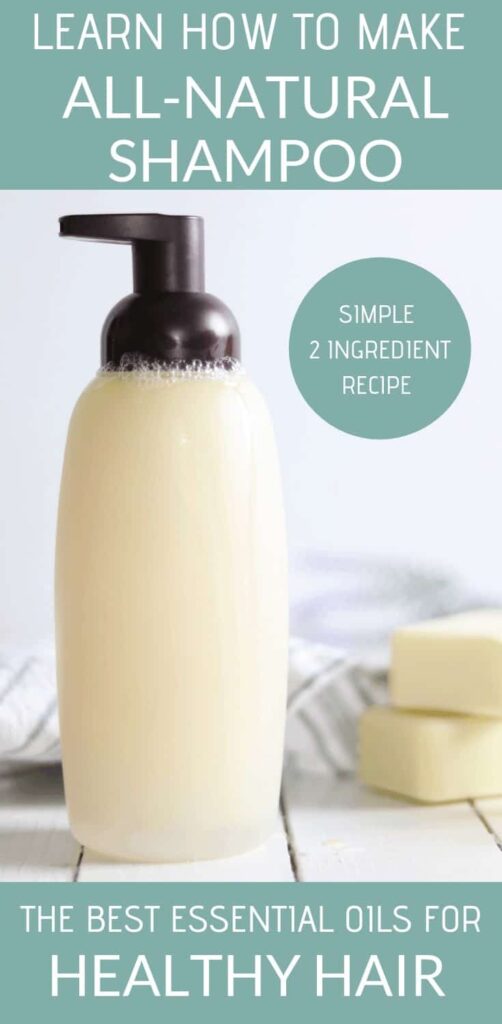
Are you tired of using commercial shampoos that can strip your hair of its natural oils and cause dryness and damage? Look no further! In this article, we’ll show you how to make a natural shampoo at home using simple ingredients that are easily found in most supermarkets.
The Importance of Natural Shampoo
Commercial shampoos often contain harsh chemicals that can damage our hair and scalp. These chemicals can strip our hair of its natural oils, leading to dryness, dandruff, and other scalp issues. By making a natural shampoo at home, you can avoid these harsh chemicals and create a product that is gentle, effective, and eco-friendly.
The Benefits of Natural Shampoo
Using a natural shampoo has numerous benefits for your hair and scalp. Some of the most significant advantages include:
- Moisturizing: Natural shampoos often contain ingredients that help to lock in moisture, leaving your hair feeling soft and silky.
- Reducing damage: Harsh chemicals found in commercial shampoos can cause damage to your hair, including dryness, brittleness, and breakage. By avoiding these chemicals, you can reduce the risk of damage and keep your hair healthy.
- Improving scalp health: Many natural shampoos contain ingredients that help to soothe an itchy scalp and reduce dandruff. This can be especially beneficial for people who experience scalp issues on a regular basis.
Easy-to-Find Ingredients
Unlike many recipes online, our natural shampoo recipe uses only ingredients that are easily found in most supermarkets. Here’s what you’ll need:
- 2 tablespoons of biologic chickpea flour: Chickpea flour is a great ingredient for making a natural shampoo because it provides a gentle exfoliating action and helps to balance the pH of your scalp.
- 1 tablespoon of organic honey: Honey has antibacterial and antifungal properties, which can help to soothe an itchy scalp and reduce dandruff. It also adds a sweet, pleasant scent to your shampoo.
- Water as needed: You’ll need to add water to the mixture to create a consistency similar to a toothpaste.
Instructions for Making Your Natural Shampoo
Making a natural shampoo at home is easy and quick. Simply follow these steps:
- Mix the chickpea flour: In a bowl, combine 2 tablespoons of biologic chickpea flour.
- Add honey: Add 1 tablespoon of organic honey to the flour mixture and mix until well combined.
- Add water: Gradually add water to the mixture until you get a consistency similar to a toothpaste (about 2 tablespoons of water).
- Your shampoo is ready!: Your natural shampoo is now ready to use!
Tips for Using Your Natural Shampoo
To get the most out of your natural shampoo, follow these tips:
- Avoid massaging the shampoo into your hair when it’s already wet: Instead, apply it to dry hair and massage it in before rinsing.
- Use a wide-tooth comb or detangling brush to gently detangle your hair: This will help prevent breakage and tangles.
- Rinse your hair thoroughly with warm water to remove all soap residue.
Personalizing Your Shampoo
If you want to add a unique fragrance to your natural shampoo, try adding a few drops of essential oils. Some popular options include:
- Tea Tree Oil: Known for its antifungal and antibacterial properties, tea tree oil can help soothe an itchy scalp and reduce dandruff.
- Cedarwood Oil: This oil has a calming effect on the skin and can help reduce stress and anxiety.
Shampooing for Different Hair Types
Our natural shampoo recipe works well for most hair types. However, if you have oily hair, you may want to try using a different ingredient instead of chickpea flour. Some popular alternatives include:
- Baking Soda: This natural abrasive can help clean the scalp and remove excess oil.
- Apple Cider Vinegar: Mix equal parts water and apple cider vinegar as a final rinse to help balance your hair’s pH.
Shampooing for Dry or Damaged Hair
If you have dry or damaged hair, our natural shampoo recipe is still suitable. However, we recommend adding an extra ingredient to help moisturize and nourish your hair:
- Jojoba Oil: This oil has a rich, buttery texture that can help lock in moisture and protect your hair from damage.
Shampooing for Oily Hair
If you have oily hair, our natural shampoo recipe may not be the best option. However, we do recommend trying a different ingredient instead of chickpea flour:
- Baking Soda: This natural abrasive can help clean the scalp and remove excess oil.
- Lemon Juice: Mix equal parts water and lemon juice as a final rinse to help balance your hair’s pH.
Frequently Asked Questions
Here are some frequently asked questions about our natural shampoo recipe:
Q: Can I use this shampoo on my baby?
A: No, we do not recommend using this shampoo on babies. Babies have sensitive skin, and the ingredients in this shampoo may cause irritation or allergic reactions.
Q: How long does it take to make this shampoo?
A: This shampoo takes about 5 minutes to make.
Q: Can I customize this recipe further?
A: Yes! Feel free to experiment with different essential oils, herbs, and spices to create a unique fragrance that suits your preferences.
Q: Is this shampoo suitable for curly hair?
A: Yes, our natural shampoo recipe is suitable for curly hair. However, you may need to adjust the consistency of the mixture depending on how thick or thin your curls are.
Q: Can I use this shampoo in my color-treated hair?
A: We recommend doing a patch test before using this shampoo on color-treated hair. Some ingredients may cause color loss or fading.
Conclusion
Making a natural shampoo at home is easy, effective, and eco-friendly. By following our simple recipe and tips for use, you can create a product that is gentle, nourishing, and free of harsh chemicals. Remember to customize your shampoo to suit your hair type and needs, and don’t be afraid to experiment with different ingredients and essential oils. Happy shampooing!


