
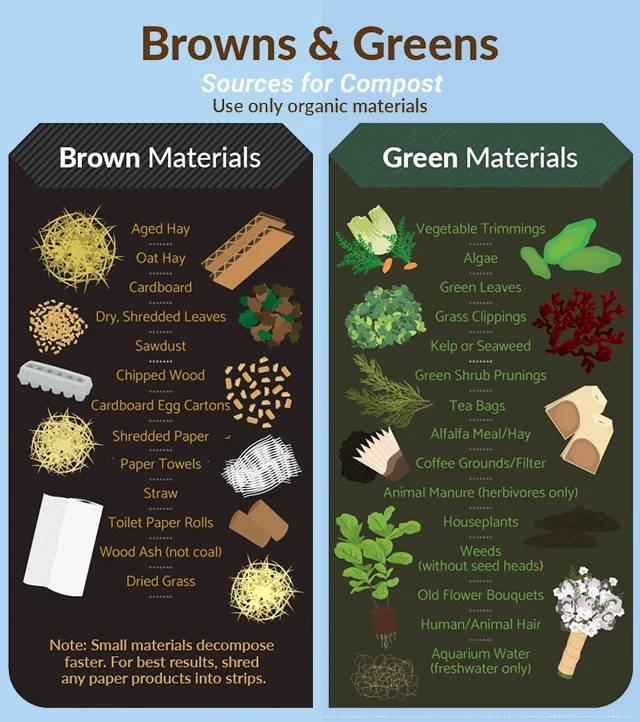
As a gardener, you’re always on the lookout for ways to give your plants the best chance to thrive. One effective way to do this is by using natural home-made fertilizers. In our previous article, “Natural Fertilizers Made at Home,” we explored various kitchen scraps that can be used to create soil fertilizers. Today, we’ll dive deeper into preparing a good homemade fertilizer in the comfort of your own home.
The Benefits of Natural Home-Made Fertilizers
Before we dive into the world of natural home-made fertilizers, let’s talk about why they’re so beneficial for your garden. Unlike commercial fertilizers that can harm the environment and contaminate soil, natural home-made fertilizers are biodegradable, non-toxic, and environmentally friendly.
For instance, equisetum infusion, a natural fertilizer made from the roots of the equisetum plant, has antiparasitic properties that protect plants from fungal diseases. Similarly, macinated lupin, a 100% vegetable fertilizer, is rich in nutrients that promote healthy plant growth.
Equisetum Infusion: A Natural Antimicrobial Agent
Let’s take a closer look at equisetum infusion, a natural fertilizer made from the roots of the equisetum plant. This infusion has been used for centuries to treat fungal diseases and protect plants from pests. To make equisetum infusion, simply boil 3 liters of water and add a generous amount of fresh or dried equisetum. Let it infuse for 10-15 minutes, filter the liquid, and use it as fertilizer by applying it to the base of your plants.
Benefits of Using Equisetum Infusion in Your Garden
- Protects Plants from Fungal Diseases: Equisetum infusion has antiparasitic properties that protect plants from fungal diseases, making it an excellent natural fertilizer for gardens.
- Promotes Healthy Plant Growth: The infusion promotes healthy plant growth by providing essential nutrients and minerals that are lacking in soil.
- Environmentally Friendly: Equisetum infusion is biodegradable and non-toxic, making it a great alternative to commercial fertilizers.
Ready-to-Use Natural Fertilizers: A Convenient Option
While making natural home-made fertilizers from scratch can be time-consuming and labor-intensive, there are many ready-to-use natural fertilizers available on the market. These fertilizers are made from raw materials that have natural properties that promote healthy soil fertility. Here are a few examples:
- Macinated Lupin: A 100% vegetable fertilizer that’s perfect for acid-loving plants like azalea, geranium, camellia, and rhododendron.
- Lombrich Humus: Considered by many to be the best fertilizer available worldwide, it’s made from worm dejections that are rich in nutrients.
- Guano: An organic fertilizer made from bird droppings that’s high in nitrogen and phosphorus.
Choosing the Right Natural Fertilizer for Your Garden
When selecting a natural fertilizer for your garden, make sure to choose one that aligns with your plants’ needs. For instance, macinated lupin is perfect for acid-loving plants, while lombrich humus is ideal for vegetable cultivation and flowering plants.
Guano, on the other hand, is rich in nitrogen and phosphorus, making it suitable for a wide range of plants. When choosing a natural fertilizer, also consider factors like price, availability, and shipping costs.
How to Use Natural Home-Made Fertilizers
Now that we’ve explored the world of natural home-made fertilizers, let’s talk about how to use them effectively in your garden. Here are some tips:
- Soak Your Soil: Before applying a natural fertilizer, soak your soil for at least 24 hours to allow it to absorb the nutrients.
- Dilute Your Fertilizer: Natural fertilizers can be quite potent, so make sure to dilute them according to the manufacturer’s instructions to avoid burning your plants’ roots.
Tips and Tricks for Using Natural Home-Made Fertilizers
Here are some additional tips and tricks for using natural home-made fertilizers in your garden:
- Compost Tea: Compost tea is a liquid fertilizer made by steeping compost in water. It’s an excellent way to provide beneficial microbes to your plants.
- Worm Castings: Worm castings, also known as vermicompost, are nutrient-rich soil amendments that promote healthy plant growth.
- Bokashi: Bokashi is a fermented fertilizer made from microorganisms that break down organic matter. It’s an excellent way to reduce waste and create a natural fertilizer.
Conclusion
Natural home-made fertilizers offer a range of benefits for your garden, from being biodegradable and non-toxic to promoting healthy plant growth. By choosing the right natural fertilizer for your needs, you can create a thriving and sustainable garden that’s good for both you and the environment.
Frequently Asked Questions
- What are some common mistakes to avoid when making natural home-made fertilizers?
- Avoid using too much of any one ingredient, as this can create an imbalance in the fertilizer.
- Make sure to follow proper safety precautions when handling raw materials like worm dejections or bird droppings.
- How often should I apply a natural fertilizer to my garden?
- Apply a natural fertilizer every 1-2 weeks during the growing season, depending on your plants’ needs and growth rate.
- Can natural home-made fertilizers be used for indoor plants?
- Yes, many natural fertilizers can be used for indoor plants, but make sure to choose one that’s specifically labeled as safe for indoor use.
- How do I store natural fertilizers to keep them fresh and effective?
- Store natural fertilizers in a cool, dry place, away from direct sunlight and moisture.
- Can I mix different natural fertilizers together to create a custom fertilizer?
- Yes, you can mix different natural fertilizers together to create a custom fertilizer that meets your plants’ specific needs.
By following these tips and using the right natural fertilizers for your garden, you can unlock the power of natural home-made fertilizers and create a thriving and sustainable garden that’s good for both you and the environment.



