
As gardeners, we strive to create an environment that allows our plants to thrive. One crucial aspect of this process is ensuring the soil has the necessary nutrients to support growth. A fertile soil is not just about providing essential nutrients but also having the right structure and microorganisms to retain moisture and support beneficial organisms.
The Importance of Soil Fertility
Soil fertility refers to its ability to provide plants with the necessary nutrients for sustenance and growth, including nitrogen, phosphorus, and potassium. It’s also characterized by a good percentage of organic matter, which improves its structure and allows it to retain moisture better.
A fertile soil should have a pH range between 6-6.8 for most plants, although specific requirements may vary depending on the type of plant. The structure of the soil is equally important, as it must be well-drained, yet able to retain some water (think rice) or dry out completely (think agave cultivation). A fertile soil should also have a diverse range of beneficial microorganisms that help plants grow.
The Role of Organic Matter in Soil Fertility
Organic matter plays a vital role in maintaining soil fertility. It improves the structure, allowing for better drainage and water retention. Organic matter also provides nutrients to plants as it breaks down, releasing essential micronutrients like sulfur, zinc, chlorine, cobalt, copper, iron, manganese, molybdenum.
In addition to its direct impact on plant growth, organic matter also helps to mitigate soil erosion, retain moisture, and regulate temperature fluctuations. This in turn reduces the need for synthetic fertilizers and supports a more sustainable gardening practice.
Natural Homemade Fertilizers: A Game-Changer
While a good homemade natural fertilizer can help improve soil fertility, it’s just one part of the equation. Improving soil structure and cultivating cycles are equally important. In fact, some argue that pilling (using materials like straw or wood chips to cover the land) is an effective way to protect soil structure while retaining moisture and promoting beneficial microorganisms.
Exploring Natural Fertilizers
Fortunately, there’s a wide range of natural fertilizers available for gardening and lawn care. These include guano, worm humus, composted manure, and compost. Each has its unique benefits and can be used to naturally fertilize the soil.
Guano, for example, is a nutrient-rich fertilizer made from the droppings of seabirds or bats. It’s particularly high in nitrogen and phosphorus, making it an excellent choice for plants that require these nutrients. Worm humus, on the other hand, is a slow-release fertilizer created by anaerobic decomposition using worms.
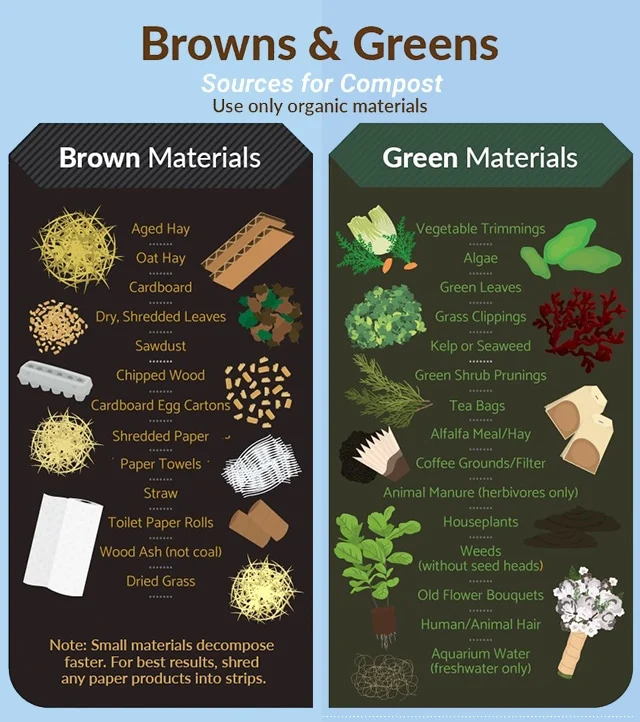
Compost is an excellent homemade fertilizer made from vegetable scraps and leftover food. It’s a nutrient-rich material that not only provides essential micronutrients but also improves soil structure by adding organic matter. Compost can be used to fertilize a wide range of plants, including vegetables, flowers, and lawns.
DIY Natural Fertilizers: Infusions and Macerations
For those who prefer to create their own natural fertilizers, there are several options available. Equisetum infusion, for example, has potent antiparasitic properties and can be prepared from fresh or dry equisetum. Another recipe involves mixing tanacetum, garlic, and onion to create a homemade fertilizer.
Additional Natural Fertilizer Recipes
There are numerous natural fertilizers you can make at home using everyday materials like:
- Banana peels
- Brewer’s yeast
- Vegetable cooking water
- Orchard grass
- Algae
- Red wine
- Eggshells
- Ashes
- Calendula and chamomile
Getting Started with Soil Fertility
If your soil has been neglected for a while, it’s essential to follow specific instructions on how to create fertile soil. This includes adding organic matter, improving drainage, and introducing beneficial microorganisms.
Start by testing the pH level of your soil using a DIY kit or sending a sample to a lab for analysis. Based on the results, add amendments as necessary to bring the pH within the optimal range.
Next, assess the structure of your soil by performing a simple test. If your soil is heavy clay or sandy, consider adding organic matter like compost or manure to improve its water-holding capacity and drainage.
Finally, introduce beneficial microorganisms into your soil by creating a compost pile or using a natural fertilizer that contains these organisms.
Frequently Asked Questions
- What is the best natural fertilizer for my garden?
The best natural fertilizer depends on your specific needs and preferences. Consider factors like pH levels, soil structure, and plant requirements when choosing a fertilizer. - How often should I fertilize my plants?
Fertilization frequency varies depending on the type of plant, soil quality, and climate. Generally, fertilize plants once or twice a month during peak growth periods. - Can I use natural fertilizers on all types of plants?
While many natural fertilizers are suitable for most plants, some may require specific pH levels or nutrient profiles. Always research the requirements for your specific plant species before using a new fertilizer. - What is the difference between compost and worm humus?
Compost and worm humus are both made from organic matter but differ in their production methods. Compost is created by decomposing materials like vegetable scraps, while worm humus involves anaerobic decomposition using worms. - How do I make a homemade fertilizer using equisetum infusion?
To make an equisetum infusion, steep 1-2 cups of fresh or dried equisetum in 10-20 cups of water for 24 hours. Strain and use as needed. - What is the pH range suitable for most plants?
Most plants thrive in a pH range between 6-6.8, although some may require more acidic or alkaline conditions. - Can I grow my own worms to create humus?
Yes, you can raise worms at home using specialized equipment and a controlled environment. This will allow you to create your own worm humus. - How do I know if my soil needs fertilization?
Signs of nutrient deficiency include yellowing leaves, stunted growth, or reduced plant vigor. Monitor your plants’ health and adjust fertilizer applications accordingly.
Incorporating Natural Fertilizers into Your Gardening Routine
By incorporating natural homemade fertilizers into your gardening routine, you’ll be taking a proactive approach to creating a healthy, thriving garden that benefits both your plants and the environment.
Here are some tips for incorporating natural fertilizers into your gardening routine:
- Start by adding organic matter like compost or manure to your soil.
- Use natural fertilizers like guano or worm humus as needed.
- Create your own DIY natural fertilizers using infusions, macerations, or other methods.
- Monitor your plants’ health and adjust fertilizer applications accordingly.
Conclusion
Natural homemade fertilizers can play a significant role in creating fertile soils that support healthy plant growth. By incorporating these ingredients into your gardening routine, you’ll be taking a proactive approach to reducing synthetic fertilizer use and promoting sustainable gardening practices.
Remember to always research the specific needs of your plants and soil before using any new fertilizer. With patience and persistence, you can create a thriving garden that benefits both your plants and the environment.


