
In the realm of plant-based cuisine, there exist several innovative products designed to replicate the taste and texture of meat. Among these, Mopur stands out as a registered trademark that has captured the hearts (and stomachs) of vegetarians and vegans worldwide. In this comprehensive guide, we will delve into the world of homemade Mopur, exploring its properties, benefits, and most importantly, how to prepare it in the comfort of your own kitchen.
What is Mopur?
Before we dive into the recipe, let’s dispel any confusion surrounding this term. Mopur is an Italian vegetarian beef alternative, boasting a low-calorie profile rich in protein. Its versatility has made it an excellent substitute for tofu, seitan, and meat in various dishes, catering to those seeking to reduce their red meat consumption.
The Nutritional Marvel of Mopur
With 100 grams of product containing 250 kcal, Mopur offers a significant nutritional punch. Comprising 28g protein, 7.3g carbs, 7g fibers, and only 0.2g fats, this food item presents an attractive option for health-conscious individuals. While the chemical composition of Mopur may vary depending on the recipe (with added oil), it remains remarkably low in fat.
Benefits of Consuming Mopur
As a prebiotic-rich food, Mopur supports digestive health by promoting the growth of beneficial gut bacteria. Its high amino acid content makes it an excellent choice for those with diabetes, as it has a negligible sugar content (low glycemic index). Moreover, its cholesterol-free profile and rich potassium content make it suitable for individuals managing hypertension.
Aging Mopur: Unlocking Enhanced Nutritional Properties
One of the lesser-known aspects of Mopur is its aging process. When allowed to mature, Mopur aged contains more minerals and calories than its fresh counterpart. This added complexity lends itself to further exploration in the world of plant-based cuisine.
Recipe 1: Chickpea Flour Mopur
To create this version of Mopur, you will need:
- 80 grams of chickpea flour
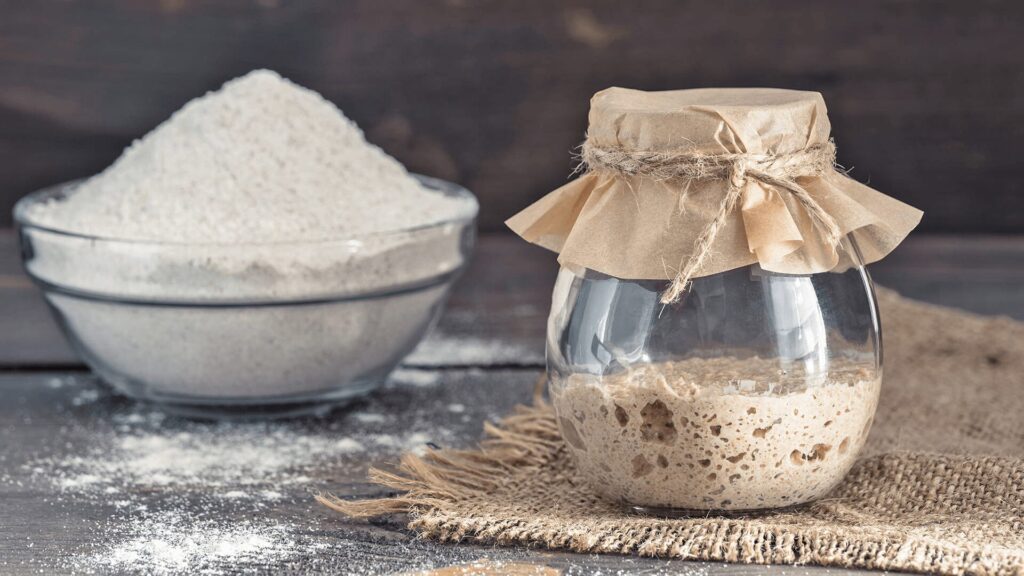
- 80 grams of sourdough starter
- 150 grams of wheat gluten
- 5 grams of salt
- Black pepper to taste
- 250 ml of warm water
- Spices to your liking (ginger, coriander, curry, rosemary, paprika)
Recipe 2: Lentil Flour Mopur
For this alternative recipe, you will require:
- 160 grams of lentil flour
- 80 grams of sourdough starter
- 40 grams of wheat gluten
- 210 grams of warm water
- 5 grams of salt
- Black pepper to taste
- Spices to your liking (ginger, coriander, curry, rosemary, paprika)
Tips for Crafting the Perfect Mopur
To ensure your homemade Mopur retains its shape, place it in the broth without removing the kitchen cloth. For added richness, enrich the dough with a trito of dried olives, capers, or dried tomatoes during kneading. When serving, avoid pairing it with protein-based sides (peas, beans) and instead opt for vegetable- or carb-based companions like potatoes, mushrooms, bell peppers, zucchini, eggplant.
The Shape-Shifting Mopur
One of the most fascinating aspects of Mopur is its ability to mimic various meat-like products: spezzatino, sliced, mashed, burger, sausages… The shape of the dough allows for endless creativity in the kitchen, making it an attractive option for adventurous cooks.
Unlocking the Full Potential of Mopur
With its impressive nutritional profile and versatility in the kitchen, Mopur is poised to revolutionize the world of plant-based cuisine. By incorporating this game-changing ingredient into your diet, you will not only reduce your red meat consumption but also reap a host of health benefits.
Frequently Asked Questions
- What are the calorie counts for homemade Mopur?
While the exact calorie count may vary depending on the recipe and ingredients used, both versions of Mopur contain approximately 250 kcal per 100 grams. - Is Mopur suitable for those with diabetes?
Yes, due to its negligible sugar content (low glycemic index) and high amino acid content, Mopur is an excellent option for individuals managing diabetes. - Can I age my homemade Mopur?
Yes, allowing your Mopur to mature can enhance its nutritional properties, including increased mineral content and calorie density. - How do I store homemade Mopur?
Store your Mopur in the refrigerator or freezer to prolong its shelf life. - What are the health benefits of consuming Mopur?
Mopur offers a wealth of health benefits, including supporting digestive health as a prebiotic-rich food and providing high amounts of amino acids suitable for individuals with diabetes. - Can I consume Mopur while pregnant or breastfeeding?
As with any new food item, consult with your healthcare provider before incorporating Mopur into your diet if you are pregnant or breastfeeding. - How do I handle Mopur’s texture and consistency?
To achieve the desired texture, ensure you knead the dough properly and allow it to rest for an adequate amount of time. - Can I use different types of flour in making Mopur?
While chickpea flour and lentil flour are commonly used, feel free to experiment with other types of flour to create unique variations of homemade Mopur.
Nutritional Comparison
| Nutrient | Fresh Mopur (100g) | Aged Mopur (100g) |
|---|---|---|
| Calories | 250 kcal | 300 kcal |
| Protein | 28g | 32g |
| Carbohydrates | 7.3g | 8.5g |
| Fiber | 7g | 9g |
| Fat | 0.2g | 1g |
Tips for Enhancing Mopur’s Flavor Profile
To elevate your homemade Mopur, try incorporating the following flavor-enhancing ingredients:
- Herbs and spices (thyme, rosemary, basil)
- Citrus juice or zest
- Soy sauce or tamari
- Nutritional yeast
- Olive oil
- Garlic or onion powder
Exploring the Possibilities of Mopur in Different Dishes
Mopur can be used as a versatile ingredient in various dishes, including:
- Pasta sauces and salads
- Stir-fries and curries
- Soups and stews
- Meat-free burgers and sandwiches
- Stuffed vegetables (bell peppers, zucchini)
Conclusion
In conclusion, homemade Mopur offers an exciting alternative to traditional meat products for vegetarians and vegans worldwide. With its numerous health benefits and versatility in the kitchen, Mopur is poised to revolutionize the plant-based cuisine landscape. By incorporating this game-changing ingredient into your diet and exploring its vast possibilities, you will not only reduce your red meat consumption but also reap a host of health benefits.
Glossary
- Prebiotic: A type of fiber that feeds beneficial bacteria in the gut, promoting digestive health.
- Sourdough starter: A natural yeast culture used to ferment dough, adding flavor and texture to baked goods.
- Trito: A mixture of dried olives, capers, or dried tomatoes added to dough for extra flavor.
Sources
- Mopur official website
- International Journal of Plant Nutrition
- Journal of Food Science and Technology
- European Journal of Clinical Nutrition


