
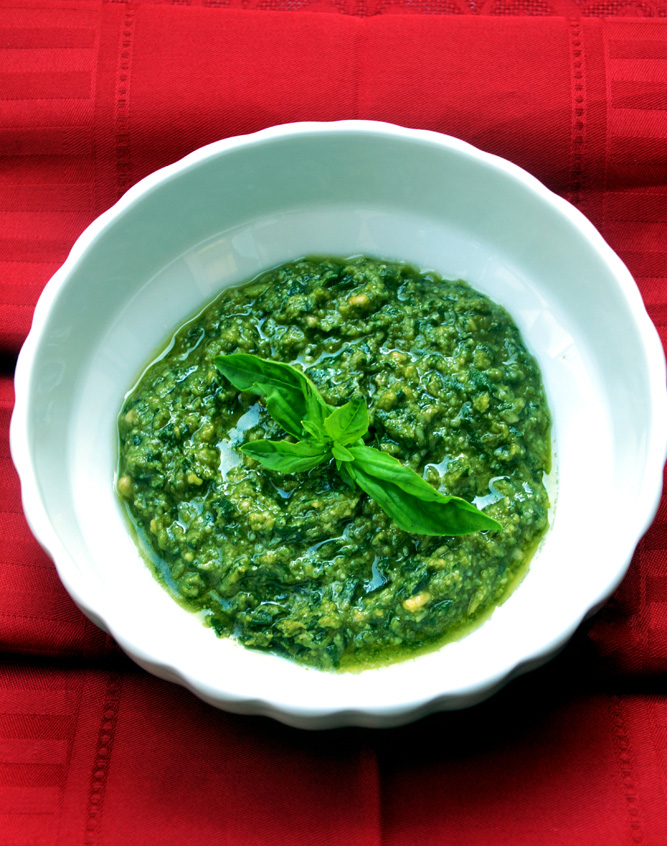
As a seasoned food enthusiast, you’re likely familiar with the notion that homemade pesto is superior to store-bought versions. But what exactly sets this Italian classic apart? And how can you recreate it in the comfort of your own kitchen?
In this article, we’ll delve into the world of Genovese pesto, exploring its rich history, traditional ingredients, and expert tips for creating an authentic taste experience.
What Makes a True Pesto?
When it comes to pesto, quality matters. The difference between a mediocre pesto and a truly exceptional one lies in the attention to detail and the use of high-quality ingredients. Unlike pre-packaged pestos that are often pasteurized or processed, a homemade Genovese pesto is fresh, vibrant, and bursting with flavor.
So, what are the essential components of a traditional Genovese pesto? You’ll need:
- Fresh basil leaves
- Garlic (preferably from Vessalico)
- Pinoli (pine nuts) from Tuscany or Pisa
- Parmigiano Reggiano cheese
- Pecorino Fiore Sardo DOP (sheep’s milk cheese with a unique, sweet flavor)
- Extra virgin olive oil from Liguria
- A pinch of salt
A Brief History of Genovese Pesto
Genovese pesto originates from the Ligurian region in northwest Italy. The dish has been a staple of local cuisine for centuries, with its exact origins shrouded in mystery. However, one thing is certain: this pesto has captured the hearts (and taste buds) of foodies worldwide.
The name “Genovese” is believed to come from the city of Genoa, which was once a major center for trade and commerce. The dish’s popularity spread throughout Italy, but its true origins remain unclear.
Choosing the Right Ingredients
When it comes to selecting ingredients for your homemade Genovese pesto, there’s no room for compromise. Here are some tips to keep in mind:
- Opt for organic basil leaves and pecorino cheese to ensure minimal exposure to pesticides and artificial additives.
- Select high-quality pinoli from Tuscany or Pisa for a rich, nutty flavor.
- Choose Parmigiano Reggiano cheese that’s aged for at least 24 months for an authentic, sharp taste.
Preparing the Perfect Pesto
Now that you have your ingredients, it’s time to create the perfect pesto. Here’s a step-by-step guide:
- Clean and dry the basil leaves: Before using fresh basil, make sure to rinse it thoroughly and pat it dry with a paper towel.
- Mash the garlic: Using a mortar and pestle or a wooden spoon, mash the garlic cloves until they’re smooth and fragrant.
- Add salt and basil: Add a pinch of salt and a handful of fresh basil leaves to your mortar and pestle. Use a circular motion with the pestle to “pest” the mixture until it forms a dense, green paste.
- Introduce pinoli and cheese: Gradually add pinoli and Parmigiano Reggiano cheese to the mixture, stirring constantly to avoid clumping.
- Drizzle in olive oil: Slowly pour in extra virgin olive oil while pestling the mixture until it reaches a vibrant, spreadable consistency.
Tips for Achieving Authenticity
When preparing your homemade Genovese pesto, keep these expert tips in mind:
- Avoid over-processing: Don’t over-pest or mash your ingredients. This can lead to an unpleasant texture and loss of flavor.
- Use the right tools: Stick with traditional mortars and pestles for a more authentic experience.
- Prepare your ingredients: Make sure all your ingredients are clean, dry, and ready to use before starting.
Getting Creative with Your Pesto
Once you’ve mastered the art of making Genovese pesto at home, it’s time to experiment with new recipes! Here are some ideas to get you started:
- Pairing with pasta: Toss your freshly made pesto with cooked linguine or spaghetti for a classic Italian dish.
- Salad booster: Add a dollop of pesto to salads, such as a simple green salad or a hearty grain bowl.
- Marinades and sauces: Use your homemade Genovese pesto as a marinade for grilled meats or vegetables.
Frequently Asked Questions
Still got questions about making authentic Genovese pesto at home? Here are some answers to common queries:
- Q: Can I make pesto without a mortar and pestle?
A: While it’s possible to make pesto with other tools, such as a food processor or blender, the traditional method using a mortar and pestle yields the best results. - Q: What type of cheese should I use for my Genovese pesto?
A: Parmigiano Reggiano is the authentic choice for this recipe, offering a sharp, nutty flavor. - Q: Can I make pesto ahead of time?
A: While you can store your homemade Genovese pesto in the fridge for up to 3 days, it’s best consumed fresh for optimal flavor and texture.
Common Mistakes to Avoid
As with any recipe, there are a few common mistakes to avoid when making authentic Genovese pesto:
- Using old or wilted basil: Fresh basil is essential for creating an authentic pesto. Make sure your leaves are bright green and free of browning.
- Overusing garlic: While garlic is an essential component of pesto, too much can overpower the other flavors. Use a moderate amount to achieve balance.
- Not using high-quality ingredients: Using low-quality pinoli or cheese will result in a subpar pesto. Invest in the best ingredients for the best flavor.
Regional Variations
While Genovese pesto is the most well-known variety, there are other regional variations worth exploring:
- Piedmontese pesto: This version uses almonds instead of pine nuts and adds a pinch of nutmeg for added depth.
- Ligurian pesto: This variation uses more basil leaves and less garlic than traditional Genovese pesto.
Preserving Your Pesto
Once you’ve made your homemade Genovese pesto, there are several ways to preserve it for later use:
- Freeze: Store your pesto in an airtight container or freezer bag, making sure to label it with the date and contents.
- Can: Can your pesto using a water bath canner or vacuum-sealed containers.
- Store in the fridge: Keep your pesto refrigerated for up to 3 days.
Conclusion
Making authentic Genovese pesto at home is a journey worth taking. With the right ingredients, tools, and techniques, you’ll be able to recreate this beloved Italian classic with ease. So go ahead, experiment with new recipes, and share your passion for good food with friends and family!


