
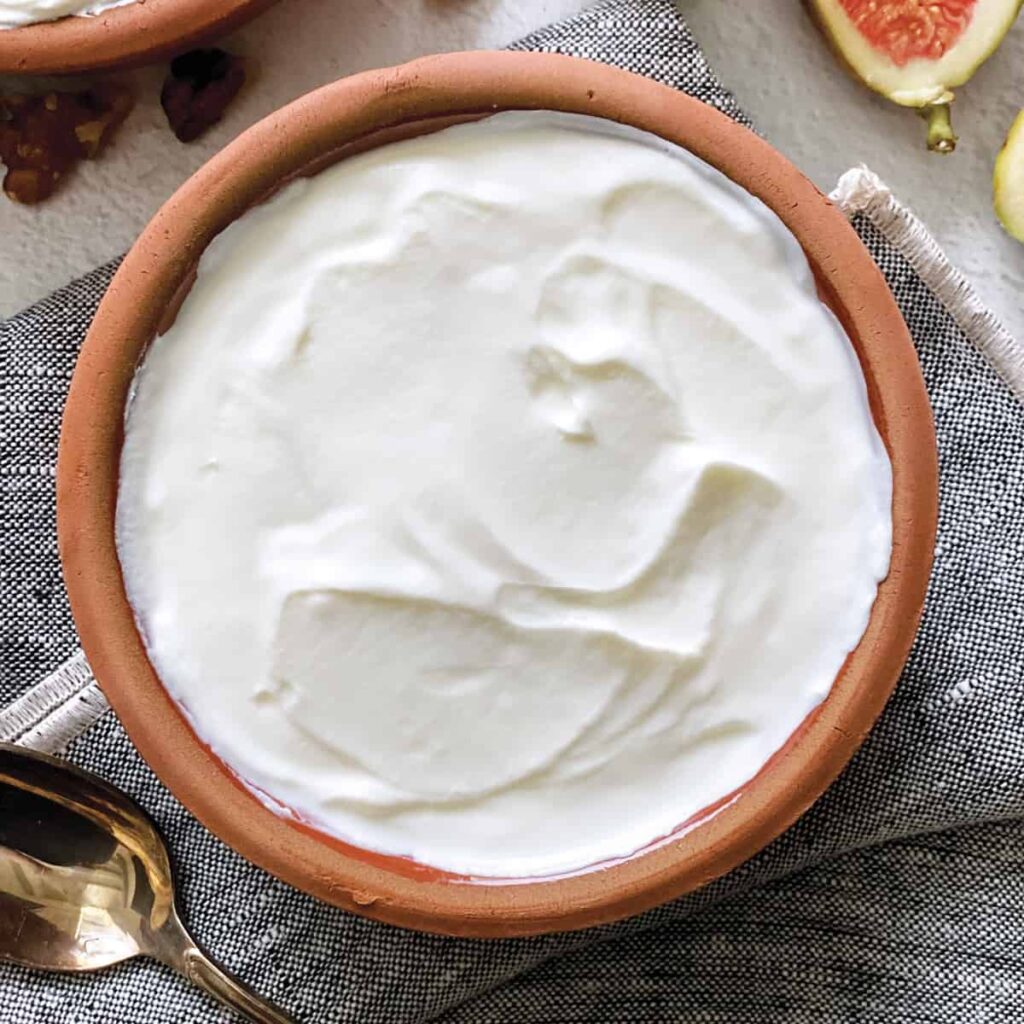
As a health-conscious individual, you’re likely familiar with the benefits of Greek yogurt. Rich in protein and low in sugar, it’s an excellent addition to any diet. However, store-bought Greek yogurt can be pricey, and some brands may contain added sugars or artificial ingredients. That’s where making Greek yogurt at home comes in – a simple, cost-effective, and healthier alternative.
What is Greek Yogurt?
Greek yogurt is a type of yogurt that has been strained through a cheesecloth or a fine mesh to remove excess liquid, leaving behind a thicker, creamier product. This process, called “straining,” concentrates the milk’s natural proteins and fats, resulting in a denser and more protein-rich yogurt.
Why Make Greek Yogurt at Home?
There are several reasons why making Greek yogurt at home is a great idea:
- Cost-effective: Making Greek yogurt at home can save you money compared to buying it from stores.
- Customizable: You can control the ingredients, flavorings, and texture of your homemade Greek yogurt.
- Healthier options: By using unflavored and unsweetened yogurt as a base, you can avoid added sugars and artificial ingredients.
Gather Your Ingredients and Equipment
To make Greek yogurt at home, you’ll need:
- 1 cup of plain, full-fat yogurt (with live cultures)
- 1 liter of milk (whole, low-fat or nonfat)
- A large pot
- A thermometer
- Cheesecloth or a fine-mesh strainer
- Colander or strainer
Strain the Yogurt
To make Greek yogurt, you’ll need to strain the yogurt through cheesecloth or a fine-mesh strainer. This process helps remove excess liquid and concentrates the milk’s natural proteins and fats.
Here are the steps to follow:
- Heat the milk in a large pot until it reaches a temperature of 180°F (82°C).
- Let the milk cool to around 110°F (43°C) to 120°F (49°C).
- Add the yogurt to the cooled milk and whisk gently.
- Pour the mixture into a clean glass jar or container.
- Cover the jar with cheesecloth or a fine-mesh strainer, securing it with a rubber band.
- Let the mixture sit at room temperature (around 70°F/21°C) for 8-12 hours or overnight.
Tips and Variations
Here are some tips and variations to help you make the best Greek yogurt at home:
- Use a thermometer to ensure the milk reaches the correct temperature.
- Experiment with different types of milk, such as almond or coconut milk, for a non-dairy version.
- Add flavorings like vanilla, honey, or cinnamon to create unique flavors.
Common FAQs
Here are some frequently asked questions about making Greek yogurt at home:
Q: What is the best type of milk to use?
A: Full-fat milk provides the richest and creamiest texture for homemade Greek yogurt. However, you can also use low-fat or nonfat milk if preferred.
Q: Can I make Greek yogurt with a yogurt maker?
A: Yes, you can make Greek yogurt using a yogurt maker. Follow the manufacturer’s instructions for setting up and programming the device.
Q: How long does it take to make Greek yogurt at home?
A: The fermentation time may vary depending on the type of milk used and personal preferences. Generally, 8-12 hours is sufficient for most recipes.
Q: Can I add flavorings or sweeteners to my homemade Greek yogurt?
A: Yes, you can experiment with different flavorings like vanilla, honey, or cinnamon to create unique flavors. Be mindful of added sugars and artificial ingredients when adding sweeteners.
Using Your Homemade Greek Yogurt
Once your homemade Greek yogurt is strained and ready, you can use it in a variety of ways:
- Breakfast: Mix the yogurt with fresh fruit, granola, or honey for a delicious breakfast.
- Snacking: Use the yogurt as a snack on its own or paired with nuts or seeds.
- Baking: Substitute Greek yogurt for sour cream or milk in your favorite baked goods recipes.
Conclusion
Making Greek yogurt at home is a simple, cost-effective, and healthier alternative to store-bought options. With the right equipment and ingredients, you can create delicious and creamy homemade Greek yogurt that suits your dietary preferences. Experiment with different flavorings and variations to find your perfect cup!
In addition to its many health benefits, Greek yogurt also offers numerous culinary uses, such as:
- Sauces: Use Greek yogurt as a base for sauces like tzatziki or raita.
- Marinades: Mix Greek yogurt with lemon juice and herbs for a marinade for grilled meats or vegetables.
Making Greek Yogurt with Other Ingredients
In addition to milk, you can also make Greek yogurt using other ingredients:
- Yogurt starter culture: Use a yogurt starter culture instead of plain yogurt as the base.
- Coconut milk: Make a dairy-free version of Greek yogurt by using coconut milk.
Making Greek Yogurt with Fermented Milk
Using fermented milk, such as kefir or buttermilk, can produce a more complex flavor profile and texture:
- Kefir: Use kefir instead of milk to create a tangy and creamy Greek yogurt.
- Buttermilk: Mix buttermilk with yogurt for a rich and tangy Greek yogurt.
Making Greek Yogurt with Non-Dairy Milk
Using non-dairy milk alternatives, such as almond or soy milk, can provide a vegan version of Greek yogurt:
- Almond milk: Make a dairy-free version of Greek yogurt by using almond milk.
- Soy milk: Use soy milk to create a creamy and protein-rich Greek yogurt.
Making Greek Yogurt with Flavored Yogurt
Adding flavorings or sweeteners to the yogurt can enhance its taste:
- Vanilla extract: Add vanilla extract for a classic flavor combination.
- Honey: Mix in honey for a touch of sweetness.
By following these tips and variations, you can create delicious homemade Greek yogurt that suits your dietary preferences. Whether you choose traditional dairy milk or non-dairy alternatives, making Greek yogurt at home is a fun and rewarding process that allows you to customize the flavor and texture to suit your taste buds.


