
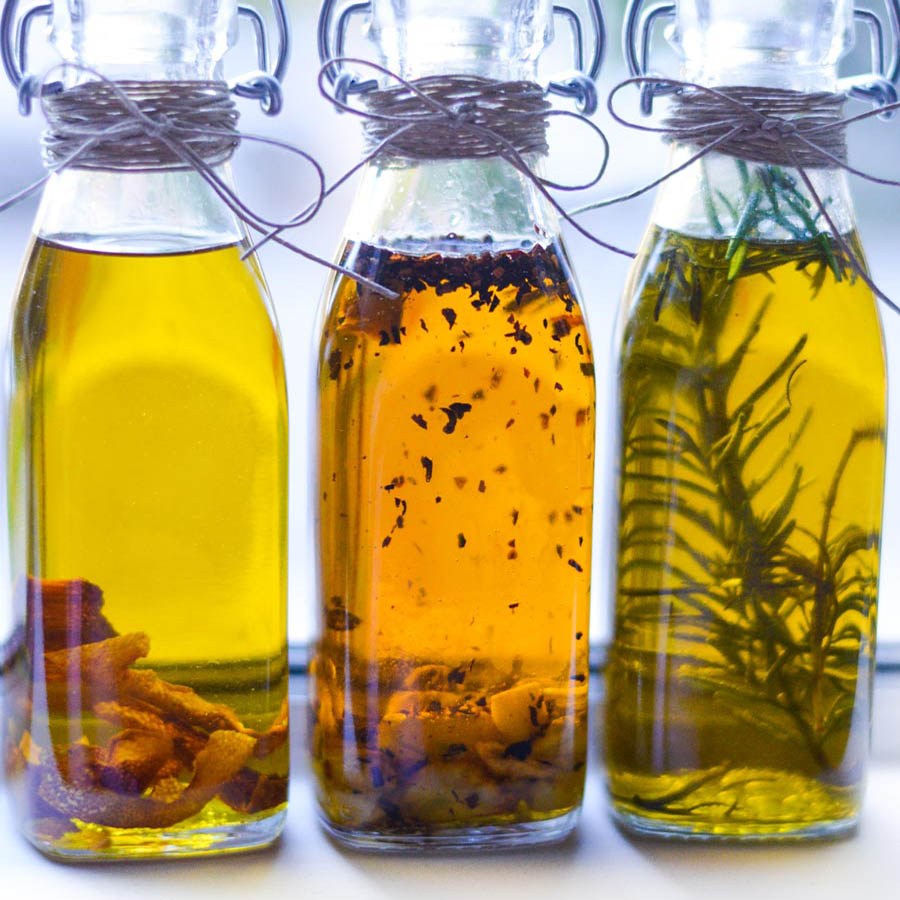
Introduction
If you’re lucky enough to have a garden or balcony where you can grow your own herbs, then investing time in making your own artisanal aromatic oils and vinegars is a great idea. By infusing these liquids with the flavors of your freshly picked herbs or spices, you’ll be able to capture their essence and use them as condiments whenever you like.
In this article, we’ll focus on making your own aromatic oils, keeping in mind that the techniques used for preparing both oils and vinegars are similar. We’ll explore the various methods of preparation and provide guidance on selecting the right ingredients and equipment to create high-quality products.
The Basics: How Aromatic Oils Are Made
Aromatic oils are made by steeping herbs and spices in a carrier oil or vinegar. The quality of the final product depends on the characteristics of both the ingredients used and the equipment employed during the preparation process.
When choosing an oil, it’s essential to select one that complements your desired flavor profile. Some popular options include:
- Avocado oil
- Grapeseed oil
- Rice bran oil
- Olive oil (extra virgin)
- Sunflower oil
Selecting the Right Herbs and Spices
When it comes to selecting herbs and spices, there are numerous options available. Some classic choices include:
- Herbs: Basil, mint, rosemary, thyme, and sage
- Spices: Cinnamon, nutmeg, cardamom, ginger, and cloves
However, you can also experiment with less common herbs and spices to create unique flavor profiles.
Preparing the Ingredients
Before starting the preparation process, it’s crucial to ensure that your herbs are completely dry. Excess moisture can lead to spoilage or affect the quality of the final product.
- Chop the herbs finely, using blades ranging from 2 to 6 millimeters in length
- Use only the noble parts of the plant to release its aromas and create a complex flavor profile
Infusing the Oil or Vinegar
Once your ingredients are prepared, it’s time to infuse them into the oil or vinegar.
- Place the herbs in a glass container with a tight-fitting lid
- Choose a container made from stainless steel or dark glass to prevent oxidation and preserve the flavors
- Store the container in a shaded area or complete darkness
Filtration and Bottling
After the infusion process is complete, it’s time to filter the oil or vinegar to remove any remaining herb particles.
- Press the herbs gently with force to extract the liquid
- Filter the liquid using a cheesecloth or coffee filter
Finally, transfer the aromatic oil or vinegar to a dark glass bottle with a tight-fitting lid and enjoy your creation.
Tips for Choosing the Right Ingredients
When selecting herbs and spices, keep in mind that different plants have unique characteristics. Some plants may be more sensitive than others when exposed to light, heat, or oxygen.
- Rosemary is particularly delicate, so choose dark glass containers with tight-fitting lids
- Thyme can be quite pungent, so use a higher ratio of herbs to oil
- Basil is highly aromatic and should be used in moderation
Using Artisanal Oils and Vinegars
Artisanal oils and vinegars are perfect for cooking, seasoning dishes, or adding flavor to beverages. Here are some ways you can incorporate them into your daily life:
- Dress salads with artisanal vinaigrettes: Mix your homemade vinaigrette with a salad made of fresh greens, cherry tomatoes, and cucumber slices
- Use aromatics in cooking: Add herbs to soups, stews, or roasted vegetables for added depth of flavor
- Marinate meats and seafood: Combine artfully selected herbs and spices with olive oil and lemon juice for a flavorful marinade
Advantages of Artisanal Oils and Vinegars
Artisanal oils and vinegars are superior to mass-produced alternatives in several ways:
- Higher quality ingredients: Choose fresh, organic ingredients to ensure the highest quality final product
- Unique flavor profiles: Experiment with a variety of herbs and spices to create distinctive flavor combinations
- Eco-friendly production process: Make your own oils and vinegars using environmentally friendly techniques and materials
Precautions When Making Artisanal Oils and Vinegars
When making artisanal oils and vinegars, it’s essential to follow proper safety protocols:
- Use clean equipment: Ensure all utensils and containers are thoroughly cleaned before use
- Follow recommended dosages: Use herbs and spices in moderation to avoid overpowering the final product
- Store correctly: Keep your artisanal oils and vinegars in a cool, dry place to prevent spoilage
Conclusion
Making your own artisanal aromatic oils and vinegars is a fun and rewarding experience that can add depth and complexity to your cooking and everyday life. By selecting high-quality ingredients, following proper techniques, and taking precautions, you can create unique flavor profiles that will delight friends and family alike.
For more information on natural sweeteners and spices, check out our articles on:
- Zucchero aromatizzato con piccoli frutti
- Sali alle erbe aromatiche


