
As any dog owner knows, positive reinforcement is a crucial aspect of training and behavior modification. By using treats and rewards, we can encourage good behavior and discourage bad habits. But with so many options available, it can be overwhelming to choose the right treats for your furry friend.
In this article, we’ll delve into the importance of positive reinforcement, explore the risks of punishment-based training, and discuss how to select healthy, tasty, and safe treats that cater to your dog’s individual needs and preferences.
Understanding the Importance of Positive Reinforcement
Positive reinforcement is a powerful tool for building strong relationships with our dogs. By using treats and rewards, we can create a positive association between good behavior and reward. This approach encourages our dogs to repeat desired behaviors, leading to increased confidence and trust.
Research has shown that positive reinforcement training produces better outcomes than punishment-based methods. A study published in the Journal of Applied Animal Welfare Science found that dogs trained with positive reinforcement were more likely to exhibit calm and relaxed behavior during interactions with their owners.
The Risks of Punishment-Based Training
Traditional punishment-based training methods can be counterproductive and even harmful to our dogs’ emotional well-being. Yelling, scolding, or physical punishment can lead to anxiety, fear, and aggression in dogs. In contrast, positive reinforcement training focuses on rewarding good behavior, encouraging a strong bond between dog and owner.
Punishment-based training can also create negative associations with the training process, leading to decreased motivation and increased stress levels. A study published in the Journal of Veterinary Behavior found that dogs trained with punishment-based methods were more likely to exhibit fear and aggression towards their owners during interactions.
The Science Behind Positive Reinforcement
Positive reinforcement is based on operant conditioning, a concept developed by B.F. Skinner. The idea is simple: when we perform a desired action (e.g., sitting or staying), we’re rewarded with a treat or praise. Over time, our dogs learn to associate the behavior with the reward, leading to increased repetition of that behavior.
This process is known as classical conditioning, and it’s a fundamental principle of learning theory. By associating good behavior with positive outcomes, we can shape our dogs’ behavior and create a more harmonious relationship.
Choosing the Right Treats for Your Dog
When it comes to selecting treats, there are several factors to consider:
- Health and Nutrition: Choose treats made from wholesome ingredients that meet your dog’s dietary needs.
- Palatability: Select treats that are appealing to your dog’s taste buds, making them more likely to enjoy the training process.
- Size and Shape: Opt for treats that are suitable for your dog’s age, breed, and size.
Homemade Treats: A Great Alternative
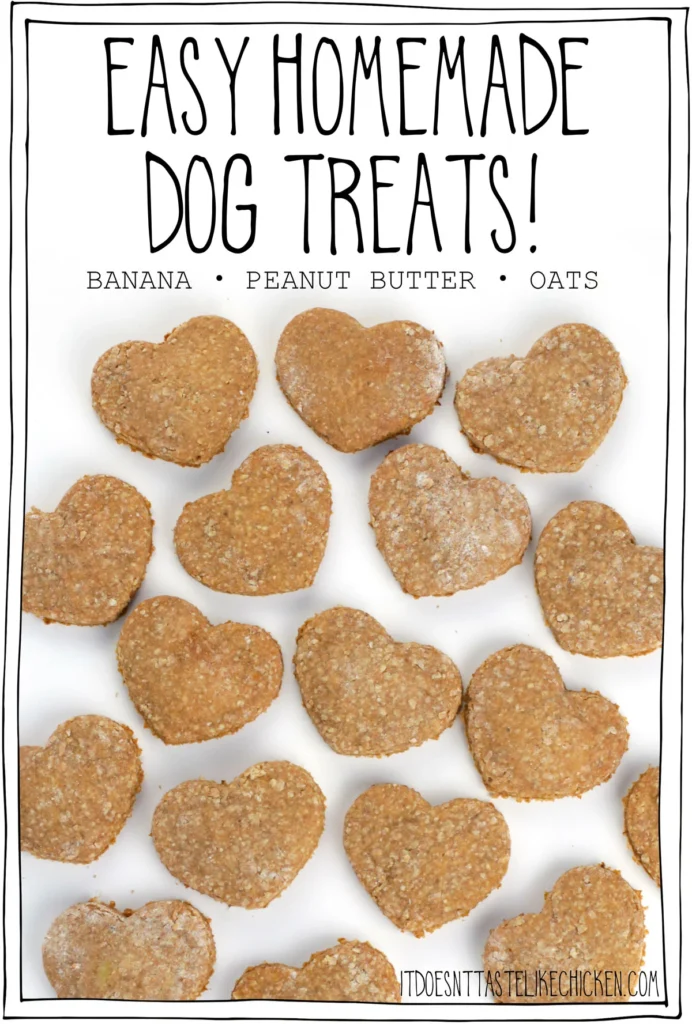
While store-bought treats can be convenient, they may not always meet your standards. Consider making homemade treats using healthy ingredients like fruits, vegetables, whole grains, and lean proteins. This way, you can control the quality and quantity of treats given to your dog.
Making homemade treats can also be a fun and creative activity for you and your dog. Try experimenting with different ingredients and recipes to find your favorite treats.
Snack Options for Training
When it comes to training, snacks play a crucial role in maintaining focus and motivation. Here are some popular snack options:
- Jerky: Made from meat, bones, or fish, jerky is a tasty and convenient snack.
- Frozen Treats: Frozen treats like peanut butter-filled Kongs or frozen yogurt bites provide a refreshing reward.
- Dried Fruits and Vegetables: Dried fruits and vegetables like carrots, apples, and bananas are nutritious and easy to digest.
Tips for Using Snacks Effectively
To get the most out of snacks during training:
- Use Small Rewards: Break down larger treats into smaller pieces to avoid overwhelming your dog.
- Vary the Reward Schedule: Alternate between different snack options to keep things interesting and prevent boredom.
- Timing is Everything: Reward your dog immediately after they perform the desired behavior.
Conclusion
Positive reinforcement training with treats is a powerful tool for building strong relationships with our dogs. By choosing healthy, tasty, and safe treats that cater to their individual needs, we can create a positive association between good behavior and reward. With these tips and tricks, you’ll be well on your way to becoming a successful dog trainer.
Frequently Asked Questions
- Q: Can I use human food as rewards for my dog?
A: While some human foods like fruits and vegetables are safe for dogs, others can be toxic or cause allergies. Always consult with a veterinarian before introducing new foods into your dog’s diet. - Q: How often should I give my dog treats during training?
A: Treats should be used sparingly to avoid overfeeding or creating dependency. Aim for 1-2 treats per training session, and adjust according to your dog’s individual needs. - Q: Can I use low-calorie snacks as rewards?
A: Yes, low-calorie snacks like baby carrots or green beans can be effective rewards during training. However, ensure they’re still palatable and enjoyable for your dog.
By following these guidelines and incorporating positive reinforcement training into your daily routine, you’ll be well on your way to raising a happy, healthy, and well-behaved companion.
Additional Resources
- Books:
- “The Power of Positive Dog Training” by Karen Pryor
- “Don’t Shoot the Dog!” by Karen Pryor
- Websites:
- The Karen Pryor Academy
- The International Association of Animal Behavior Consultants
These resources provide a wealth of information on positive reinforcement training and offer practical tips for implementing this approach in your daily routine.


