
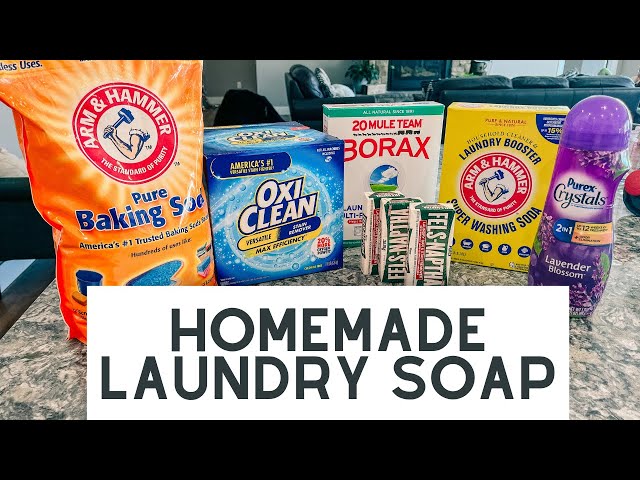
As we strive for a more sustainable lifestyle, many of us are turning to DIY cleaning products as a way to reduce our environmental impact. One simple and effective way to do this is by making your own detergents using household ingredients. In this article, we’ll explore the benefits of homemade detergents, provide recipes for common cleaning tasks, and discuss the importance of eco-friendly cleaning products.
The Benefits of Homemade Detergents
Homemade detergents offer several advantages over commercial products. For one, they are often made with natural ingredients that are gentler on surfaces and the environment. They also tend to be free from harsh chemicals like bleach and ammonia, which can harm skin and respiratory health. Additionally, making your own detergent allows you to control the amount of residue left behind on surfaces, reducing streaks and water spots.
Detergents for Windows
One simple and effective way to clean windows is by using a homemade detergent made from vinegar and water. Here’s a recipe to get you started:
- 1 cup water
- 1/2 cup white vinegar
Mix the water and vinegar in a spray bottle, shake well, and spray onto windows. Wipe clean with a lint-free cloth or paper towel.
This method is also effective for cleaning mirrors and other glass surfaces. Simply mix equal parts of water and white vinegar in a spray bottle and wipe down the surface with a lint-free cloth.
Detergents for Sanitizers
For a more thorough cleaning of sanitizers, try this recipe:
- 3 tablespoons baking soda
- 1/2 cup water
- 10 drops essential oil (optional)
Mix the baking soda and water in a bowl until you get a smooth paste. Add the essential oil if desired. Apply to sanitizers using a soft cloth or sponge.
This method is also effective for cleaning countertops, sinks, and other kitchen surfaces. Simply mix equal parts of baking soda and water to create a paste, apply to the surface, and scrub with a soft cloth or sponge.
Detergents for Dishes and Utensils
To clean dishes and utensils, try this recipe:
- 4 lemons
- 1 cup water
- 250 grams salt
Cut the lemons in half and squeeze into a bowl. Add the water and salt. Stir until dissolved. Soak dishes and utensils for 10-15 minutes before washing.
This method is also effective for cleaning pots, pans, and other kitchen equipment. Simply soak the equipment in the lemon mixture for 10-15 minutes before scrubbing with a soft cloth or sponge.
Detergents for Laundry
For laundry detergent, try this recipe:
- 1 cup borax
- 1 cup washing soda
- 2 cups soap flakes
Mix the borax and washing soda in a bowl until well combined. Add the soap flakes and mix until smooth. Use half of the mixture per normal-sized load.
This method is also effective for cleaning carpets, upholstery, and other textiles. Simply sprinkle the detergent mixture onto the surface and vacuum or brush clean.
Eco-Friendly Detergents for Laundry
If you’re looking for a more eco-friendly detergent option, consider using a biodegradable laundry detergent made from natural ingredients. These detergents are gentle on surfaces, non-toxic, and compostable. Winni’s offers an excellent biodegradable laundry detergent that is also hypoallergenic and effective at 30°C.
Biodegradable laundry detergents are made from natural ingredients like plant-based oils, essential oils, and other sustainable materials. They’re free from harsh chemicals and artificial fragrances, making them a healthier option for you and the environment.
Tips for Making Effective Homemade Detergents
Here are some tips to keep in mind when making your own homemade detergents:
- Use natural ingredients: Choose ingredients that are gentle on surfaces and the environment.
- Control the amount of residue: Experiment with different ratios of ingredients to achieve the right level of residue.
- Test new recipes: Before using a new detergent, test it on a small area to ensure it’s effective and safe.
- Store properly: Keep homemade detergents in airtight containers away from direct sunlight and heat sources.
Frequently Asked Questions (FAQs)
- Q: How long does it take to make homemade detergents?
A: Most recipes are quick to prepare, taking around 10-30 minutes to mix and prepare. - Q: Are homemade detergents as effective as commercial products?
A: Yes, many homemade detergents are just as effective as commercial products, depending on the recipe and ingredients used. - Q: Can I use any household ingredient to make a detergent?
A: While most household ingredients can be used, some may not be safe for certain surfaces or skin types. Always research and test new ingredients before using them in your cleaning products. - Q: How do I store homemade detergents?
A: Store homemade detergents in airtight containers away from direct sunlight and heat sources to maintain their effectiveness. - Q: Can I use homemade detergents on all surfaces?
A: While most homemade detergents are safe for most surfaces, some may not be suitable for certain materials like wood or silk. Always test a small area before using a new detergent. - Q: How do I dispose of used detergent containers?
A: Dispose of used detergent containers according to local regulations and guidelines. - Q: Can I make homemade detergents in large quantities?
A: Yes, many recipes can be scaled up or down depending on your needs. However, always follow proper safety precautions when handling large quantities of cleaning products. - Q: Are homemade detergents safe for septic systems?
A: While most homemade detergents are biodegradable and safe for septic systems, it’s essential to check the ingredients and consult with a professional before using them in your septic system.
Conclusion
Making your own eco-friendly cleaning products is a simple way to reduce your environmental impact while still maintaining a clean home. By using natural ingredients and controlling the amount of residue left behind, you can create effective detergents for common cleaning tasks without compromising on effectiveness or sustainability.
With these recipes and tips, you’re ready to start making your own homemade detergents. Remember to always test new recipes and ingredients before using them in your cleaning products, and store them properly to maintain their effectiveness. Happy cleaning!


