
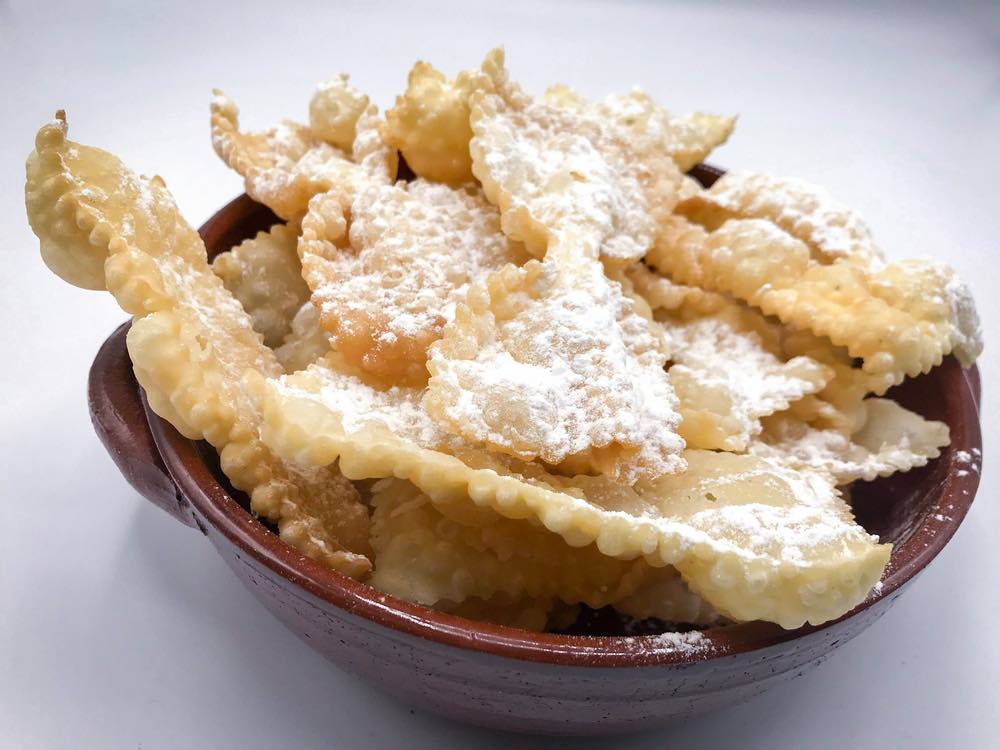
The Ultimate Guide to Making the Best House-Made Neapolitan Fried Doughs
Are you ready to try the best recipe for traditional Neapolitan fried doughs? I assure you that this is the ultimate guide to making these delicious treats. These fried doughs are a classic Carnevale treat, but they can be enjoyed any day of the year.
As we explore how to make these mouth-watering fried doughs at home, let’s first understand why this recipe stands out from all others. This is indeed the best Neapolitan fried dough recipe available online! The result is crispy on the outside and extremely tasty, just like the traditional fried doughs of Naples.
Why This Recipe Reigns Supreme?
This recipe is special because it comes from my nonna (grandmother), who knows what she’s talking about when it comes to cooking. And let’s be honest; we all know that when it comes to good food, Neapolitans have a keen sense of taste.
Before we dive into the recipe, I want to give you some advice on working with dough. When measuring ingredients, don’t be afraid to experiment and adjust them according to how your hands work. The same goes for making sure the dough is at the right consistency; it needs to be soft but not too wet or dry.
Now, let’s move on to the main event – the recipe!
Ingredients Needed
Here are the ingredients you’ll need for this delicious treat:
- 600 grams of flour
- 3 whole eggs
- 200 grams of sugar
- 30 grams of butter
- 2 tablespoons of olive oil
- A pinch of salt
- The zest of 1 lemon, grated
- 1/4 cup (60 ml) of white wine
- Oiling for frying
- Confectioner’s sugar
Step-by-Step Instructions
Let’s get started with the recipe!
Step 1: Mixing the Dough
In a large mixing bowl, create a “mountain” of flour and add in the wet ingredients (eggs, melted butter, olive oil, and wine). Then add the dry ingredients (sugar, salt, and lemon zest).
Step 2: Kneading the Dough
Knead the dough for about 20 minutes, using both hands. If you’re feeling tired or not comfortable kneading by hand, consider using a stand mixer.
Step 3: Resting the Dough
Divide the dough into manageable pieces and let each piece rest for at least an hour before rolling it out.
Step 4: Rolling Out the Dough**
Using a pasta roller or a rolling pin, roll out each piece of dough until you get a thin sheet. The goal is to achieve a delicate, almost transparent layer of dough that can be easily cut into shapes.
Step 5: Cutting and Shaping the Dough
Use a zigzag cookie cutter to create the characteristic Neapolitan fried doughs. If you don’t have a cutting tool like this, you can simply use scissors or a knife to cut the dough into small pieces.
Step 6: Frying the Fried Doughs
Heat plenty of oil in a large frying pan and carefully fry the fried doughs until they turn golden brown. Drain the excess oil on paper towels and let them cool down for a few seconds before dusting with confectioner’s sugar.
Tips & Tricks
If you’re new to making Neapolitan fried doughs, it might take some practice to get the shape right or not overcook them. But don’t worry – I’ve got you covered! You can experiment with different shapes and sizes until you find what works best for you.
Here are a few extra tips:
- To prevent your fried doughs from becoming soggy, make sure they’re dry when frying.
- If you want to try something new, consider adding flavorings like fruit puree or chocolate chips to your dough.
- Be careful not to overcrowd the pan – fry the doughs in batches if necessary.
Variations & Alternatives
If you’re looking for some inspiration or just a change of pace, here are a few ideas:
- Try pairing miele (honey) with the fried doughs for a sweet treat.
- Dip your fried doughs in alchermes (cherry liqueur) and enjoy as an after-dinner snack.
Making Chiacchiere at Home: Common Mistakes
When making Neapolitan fried doughs, it’s easy to make mistakes that can affect the final result. Here are a few common errors to watch out for:
- Don’t overwork the dough – this will lead to tough, dense fried doughs.
- Use the right amount of oil when frying; if you use too little, your fried doughs might be dry and crumbly.
Storage & Shelf Life
If you’re planning on storing your Neapolitan fried doughs for later, here are a few tips:
- Wrap them in parchment paper or aluminum foil to keep them fresh.
- Keep them in an airtight container at room temperature for up to 3 days.
Here’s what you can expect from the recipe: crispy fried doughs with just the right amount of sweetness. With practice, you’ll master the art of making Neapolitan fried doughs that are sure to impress your friends and family!
Nutritional Information
Each serving (about 40 grams or 4 pieces) contains:
- Calories: 220
- Fat: 12g
- Saturated fat: 8g
- Carbohydrates: 25g
- Sugars: 15g
- Sodium: 10mg
Don’t forget to enjoy your delicious homemade Neapolitan fried doughs!
FAQs
If you have any questions or need more clarification on certain parts of the recipe, here are some frequently asked questions:
- What is the difference between chiacchiere and lattughe?
- Can I make chiacchiere in advance?
- How do I store leftover fried doughs?
- Are chiacchiere suitable for people with dietary restrictions?
- Can I add different flavors to my chiacchiere?
Feel free to ask me any questions you have – I’ll be happy to help!
Q: What’s the difference between chiacchiere and lattughe?
A: Chiacchiere are a type of fried dough commonly found in Italy, particularly during Carnevale. Lattughe, on the other hand, refer specifically to those fried doughs made with ricotta cheese, typically enjoyed in Lombardy.
Q: Can I make chiacchiere in advance?
A: You can prepare the dough ahead of time but it’s recommended to fry the chiacchiere just before serving. If you want to store them for later, follow proper food storage techniques and reheat them gently when needed.
Q: How do I store leftover fried doughs?
A: Store leftover fried doughs in an airtight container at room temperature for up to 3 days. You can also freeze them for longer-term storage; simply thaw frozen chiacchiere slowly over the course of several hours.
Q: Are chiacchiere suitable for people with dietary restrictions?
A: Chiacchiere typically contain ingredients like flour, sugar, and butter, making them less than ideal for those who require a gluten-free or low-carb diet. However, it’s always best to consult with the individual concerned about their specific needs.
Q: Can I add different flavors to my chiacchiere?
A: Absolutely! Feel free to experiment with various flavor combinations such as adding chocolate chips, fruit puree, or nuts during the dough preparation phase.


