
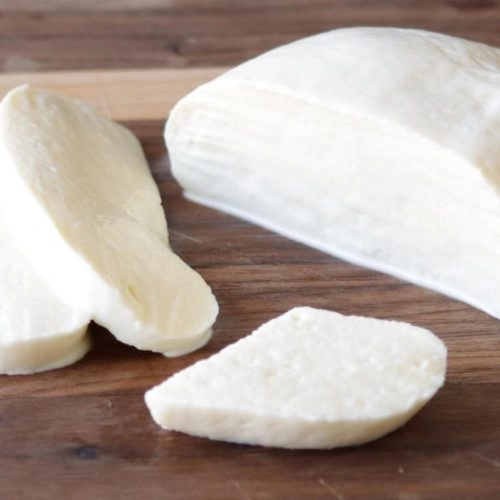
As a cheese enthusiast, you may have wondered how to make cheese at home without using rennet, a traditional ingredient used in the cheese-making process. In this article, we will explore the world of homemade cheese making and provide you with a comprehensive guide on how to make fresh and stagionato cheese without rennet.
What is Rennet?
Rennet is an enzyme extracted from the stomach lining of young animals, such as calves, lambs, or kids. It plays a crucial role in coagulating milk proteins, causing them to form a gel-like substance that can be molded into various shapes and textures. However, not everyone can consume rennet due to dietary restrictions or preferences.
How Does Rennet Work?
Rennet works by breaking down the casein proteins in milk into smaller peptides, which then bind together to form a network of fibers. This process is called coagulation, and it’s what gives cheese its characteristic texture and flavor. Without rennet, we need to find alternative methods to achieve the same effect.
Alternative Rennets
Fortunately, there are several alternatives to traditional rennet that can be used in cheese making. Some common options include:
- Acidic agents: Lemon juice or vinegar can be used to acidify the milk, causing it to coagulate.
- Cardoon: A type of thistle, cardoon can be used to create a natural coagulant.
- Fermentation: Microorganisms like bacteria and yeast can be used to ferment the lactose in milk, producing lactic acid and causing it to coagulate.
Making Fresh Cheese
To make fresh cheese without rennet, you’ll need the following ingredients:
- 1 liter of whole milk
- A pinch of salt
- 1/2 medium lemon
Here’s a step-by-step guide to making fresh cheese at home:
In a large pot, heat 1 liter of whole milk over low heat until it reaches 180°F (82°C). Remove from heat and add a pinch of salt. Stir in the juice of 1/2 medium lemon.
Allow the mixture to sit for 10-15 minutes, then stir gently with a spoon to separate the curds from the whey. Line a colander with cheesecloth or a clean cotton cloth.
Carefully pour the curds and whey into the prepared colander, allowing the excess liquid to drain off. Gather up the edges of the cloth and give the cheese a gentle squeeze to remove any remaining liquid.
Transfer the fresh cheese to a plate or serving dish, and enjoy! You can also shape the cheese into balls, logs, or other forms as desired.
Making Stagionato Cheese
To make stagionato cheese without rennet, you’ll need to follow a similar process, but with some additional steps:
- Allow the cheese to age: Transfer the fresh cheese to a plate or serving dish and cover it with plastic wrap or aluminum foil.
- Monitor the cheese’s temperature: Keep the cheese at a consistent temperature between 45°F (7°C) and 55°F (13°C) for optimal aging.
- Weight down the cheese: Use weights like rocks, cans, or even a cheese press to keep the cheese submerged under its own whey.
Allow the cheese to age for 10-30 days, depending on your desired level of hardness and flavor. During this time, regularly turn and rotate the cheese to ensure even aging.
Tips and Tricks
Here are some additional tips and tricks to help you succeed in making cheese without rennet:
- Use high-quality milk: The quality of your milk will greatly impact the final product. Choose fresh, organic milk for the best results.
- Monitor temperature: Temperature is crucial when making cheese without rennet. Keep the milk at a consistent temperature between 145°F (63°C) and 155°F (68°C) to ensure proper coagulation.
- Don’t overcook: Overheating the milk can cause it to become too thick or even separate, resulting in an uneven texture.
- Experiment with different milks: While whole milk is generally recommended for making cheese without rennet, you can experiment with other types of milk like goat’s milk or sheep’s milk for unique flavor profiles.
FAQs
Q: Can I use any type of milk to make cheese without rennet?
A: While you can experiment with different milks, whole milk is generally the best option for making cheese without rennet. Other types of milk may not coagulate properly or may produce unwanted flavors.
Q: How long will it take for my cheese to age?
A: The aging time will depend on your desired level of hardness and flavor. As a general rule, 10-30 days is sufficient for most types of cheese.
Q: Can I make cheese without rennet in the summer months when milk temperature increases?
A: Yes, but you may need to adjust your aging schedule accordingly. Higher temperatures can cause cheese to age too quickly or develop off-flavors.
Q: What are some common mistakes to avoid when making cheese without rennet?
A: Overheating the milk or not maintaining a consistent temperature can lead to uneven coagulation and poor cheese quality. Additionally, not allowing the cheese to age long enough may result in an overly soft or runny texture.
Q: Can I share my homemade cheese with friends and family?
A: Absolutely! Homemade cheese is perfect for sharing with loved ones. Just be sure to label it properly and provide clear instructions on how to store and serve it.
Q: What are some alternative uses for leftover whey?
A: Leftover whey can be used as a natural fertilizer, or you can use it as an ingredient in homemade soups, stews, or sauces.
By following these steps and tips, you can create delicious fresh and stagionato cheese without rennet. Happy cheese making!


