
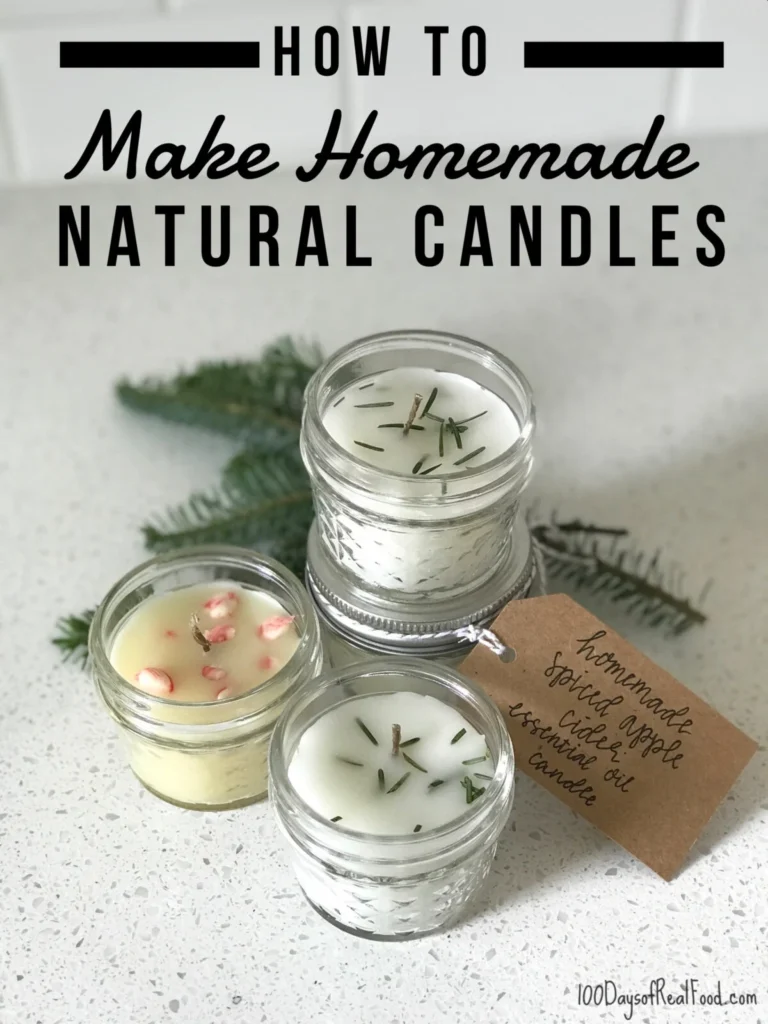
As we strive to live a more eco-friendly lifestyle, many of us are looking for alternative ways to illuminate our homes without relying on harsh chemicals. One simple and effective solution is making your own natural candles using ingredients found in nature. In this article, we’ll explore the benefits of homemade candles, discuss the safety concerns associated with commercial paraffin wax, and provide a step-by-step guide on how to create your own all-natural candles.
The Dangers of Commercial Paraffin Wax
Commercially produced paraffin wax is a petroleum-based product that has been widely used in candle manufacturing for decades. However, its use poses serious health risks, including the release of toxic chemicals into the air when burned. These pollutants can exacerbate respiratory issues and even contribute to the development of cancer.
Fortunately, there are safer alternatives available. In one study conducted by researchers at South Carolina State University, it was found that candles made from natural wax sources like beeswax or soy wax emit fewer harmful particles than those made from paraffin wax.
Benefits of Homemade Natural Candles
Not only do homemade candles offer a healthier alternative to commercial paraffin wax products, but they also provide numerous other benefits. For instance:
- Customization: With homemade candles, you can choose the color, scent, and size of your candle to suit your personal preferences.
- Cost-effectiveness: Making your own candles at home can be a cost-effective alternative to buying commercial products.
- Creative expression: Creating handmade candles allows for endless possibilities in terms of design, shape, and style.
Materials Needed
To get started with making your own natural candles, you’ll need the following materials:
- Beeswax or soy wax
- Essential oils (for scenting)
- Cotton wicks
- Melting pot
- Thermometer
- Colorants (optional)
Step-by-Step Guide
Now that we’ve covered the basics, let’s dive into the step-by-step process of making your own natural candles:
- Prepare Your Melting Pot: Before starting, make sure your melting pot is clean and dry.
- Melt Your Wax: Place the beeswax or soy wax in the melting pot and heat it until completely melted. Stir occasionally to ensure even melting.
- Add Essential Oils (Optional): If you’re using essential oils for scenting, add a few drops to the melted wax and stir well.
- Color Your Wax (Optional): If desired, add a few drops of colorant to tint your candle.
- Prepare Your Mold: Before pouring in the wax mixture, make sure your mold is clean and dry.
- Pour in the Wax Mixture: Pour the melted wax mixture into the prepared mold, leaving about 1/4 inch at the top for trimming.
- Allow to Cool and Solidify: Let the wax cool and solidify completely before removing it from the mold.
Tips and Variations
Here are a few additional tips and variations to consider when making your own natural candles:
- Experiment with Different Waxes: Try using different types of wax, such as palm wax or carnauba wax, for unique properties.
- Add Texture with Herbs or Spices: Infuse your candle with herbs or spices for added fragrance and visual interest.
- Try Color-Changing Candles: Use thermochromic colorants to create candles that change color when exposed to heat.
Conclusion
Making your own natural candles at home is a fun and rewarding process that allows you to customize your lighting experience while avoiding harsh chemicals. With the right materials and a bit of creativity, you can create beautiful, eco-friendly candles that bring warmth and ambiance to any room in your home.
Frequently Asked Questions
Here are some frequently asked questions about making your own natural candles:
- What is the best type of wax to use for homemade candles?
- Beeswax or soy wax are popular choices due to their eco-friendly properties and pleasant scent.
- How do I ensure my candle burns evenly?
- Use a cotton wick and make sure the melting pot is at a consistent temperature to prevent hot spots.
- Can I reuse old candles to make new ones?
- Yes, you can reuse old candles by re-melting the wax and adding new essential oils or colorants.
- How do I keep my homemade candles from getting too soft or fragile?
- Store your candles in a cool, dry place and avoid exposing them to direct sunlight or heat sources.
Safety Precautions
When making your own natural candles, it’s essential to follow safety precautions to ensure a safe and enjoyable experience:
- Use proper ventilation: When melting wax, make sure you have good airflow around the melting pot to prevent inhaling fumes.
- Follow temperature guidelines: Beeswax and soy wax can be sensitive to heat. Follow the manufacturer’s guidelines for optimal temperatures.
- Be cautious with essential oils: Some essential oils can be irritating or toxic if not used properly. Always dilute them in water or use them in moderation.
Common Mistakes
Here are some common mistakes to avoid when making your own natural candles:
- Not using proper ventilation: Inhaling fumes from melting wax can lead to respiratory issues.
- Overheating the wax: Beeswax and soy wax can become too soft or even melt if overheated.


