
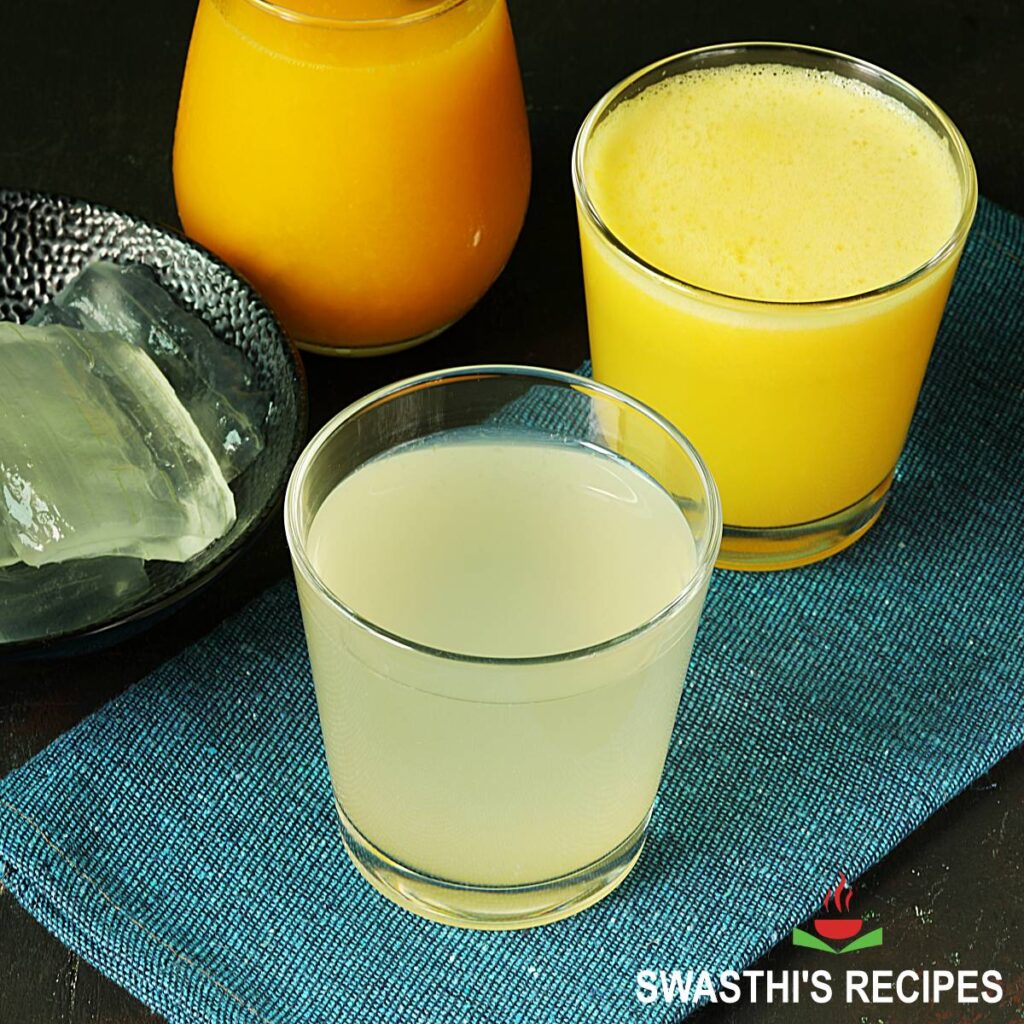
A popular trend in recent years has been to make your own aloe juice at home. However, before you start juicing, it’s essential to understand the potential risks involved.
What is the Difference Between Commercial and Homemade Aloe Juice?
Commercial aloe juice is extracted from the gel of the aloe vera plant using specialized equipment and processes that remove most of the aloin and other purgative compounds found in the plant. On the other hand, homemade aloe juice is made by extracting the gel from fresh aloe leaves, which can contain high levels of these same compounds.
The Risks of Making Homemade Aloe Juice
If not handled properly, making homemade aloe juice can be hazardous to your health. The aloin and other purgative compounds found in the plant can cause severe gastrointestinal issues, including ulcers and diarrhea. Moreover, if you ingest high amounts of these compounds, it may lead to more serious health problems.
Where Does Aloe Juice Come From?
Aloe juice is typically extracted from the gel of the aloe vera plant. In industrial settings, this process involves cutting the entire stem of the plant and then extracting the juice using specialized equipment. At home, you can extract the juice by cutting a leaf of aloe and removing the base and spine.
History of Aloe Juice
The history of aloe juice dates back to ancient civilizations, where it was used for its medicinal properties. The use of aloe vera as a natural remedy has been documented in various cultures, including ancient Egypt, Greece, and Rome.
How to Make Homemade Aloe Juice Safely
To make homemade aloe juice safely, follow these steps:
- Choose Fresh Leaves: Select fresh leaves of aloe vera that are free from any signs of damage or disease.
- Remove the Base and Spine: Cut off the base and spine of the leaf to prevent any potential irritation.
- Remove the Epidermis: Use a spoon to remove the epidermal layer from the leaf, as it contains most of the purgative compounds.
- Extract the Gel: Carefully extract the gel from the leaf using a spoon or blender.
Important Safety Note
As mentioned earlier, homemade aloe juice can be hazardous if not handled properly. It’s essential to exercise caution and follow proper safety guidelines when making and consuming this type of juice.
Properties and Dosages of Aloe Juice
For more information on dosages, properties, and potential contraindications of aloe juice, please refer to the article “Aloe Vera: Can You Drink It?”
Best Places to Buy Aloe Juice Online
If you’re interested in purchasing aloe juice online, look for reputable sellers who offer high-quality products with good reviews. Some popular options include:
- ESI – Aloe Vera Massima Forza (1200+ reviews, 4.3/5 rating)
- NOW Foods – Organic Aloe Vera Juice (1000+ reviews, 4.2/5 rating)
Conclusion
While making your own aloe juice at home may seem like a convenient and cost-effective option, it’s crucial to understand the potential risks involved. Before attempting to make homemade aloe juice, ensure that you have proper knowledge and follow safety guidelines to avoid any adverse effects.
Frequently Asked Questions (FAQs)
-
Is it safe to drink homemade aloe juice?
No, it is not recommended to drink homemade aloe juice without proper handling and processing.
2. Can I use aloe gel for external skin care?Yes, aloe gel can be used as a natural remedy for skin irritations and burns, but consult with a healthcare professional before using it.
3. What are the benefits of drinking aloe juice?Aloe juice is believed to have various health benefits, including promoting digestion and reducing inflammation, however more research is needed to confirm its effectiveness.
4. Can I make homemade aloe juice if I’m pregnant or breastfeeding?No, it’s not recommended to consume aloe juice during pregnancy or breastfeeding due to the potential risks of gastrointestinal issues.
5. How long does it take for aloe juice to show effects?The effects of aloe juice may vary depending on individual tolerance and dosage, but it can start to show benefits within a few days of consumption.
6. Can I mix aloe juice with other juices or smoothies?Yes, you can mix aloe juice with other juices or smoothies for added flavor and nutritional benefits, however consult with a healthcare professional before doing so.
7. Is it possible to overdose on aloe juice?Yes, consuming excessive amounts of aloe juice may lead to gastrointestinal issues, diarrhea, and other adverse effects.
Conclusion: The Importance of Responsible Aloe Juice Consumption
In conclusion, while homemade aloe juice may seem like a convenient option, the potential risks involved make it essential to exercise caution when making and consuming this type of juice. By understanding the differences between commercial and homemade aloe juice, following proper safety guidelines, and consulting with healthcare professionals, you can enjoy the benefits of aloe juice while minimizing its risks.
Conclusion: The Benefits of Aloe Juice
Aloe juice has been used for centuries as a natural remedy for various health issues, including digestive problems and skin irritations. While more research is needed to confirm its effectiveness, many people have reported positive results from consuming aloe juice.
The Future of Aloe Juice Consumption
As the demand for natural remedies continues to grow, it’s likely that homemade aloe juice will become increasingly popular as an alternative to commercial products. However, it’s crucial to remember that proper handling and processing are essential to ensuring the safety and efficacy of homemade aloe juice.
Conclusion: The Potential Risks of Aloe Juice Consumption
In conclusion, while homemade aloe juice may seem like a convenient option, there are potential risks involved, including gastrointestinal issues and adverse effects. By understanding these risks and following proper safety guidelines, you can enjoy the benefits of aloe juice while minimizing its risks.
The Importance of Education and Awareness
Education and awareness are key to responsible aloe juice consumption. By understanding the differences between commercial and homemade aloe juice, following proper safety guidelines, and consulting with healthcare professionals, you can make informed decisions about your health and well-being.
Conclusion: The Benefits of Aloe Juice
In conclusion, aloe juice has been used for centuries as a natural remedy for various health issues. While more research is needed to confirm its effectiveness, many people have reported positive results from consuming aloe juice.


